
Osho's perspective on Prana-Pratishtha
When Osho Spoke About Prana-Pratishtha
Passages from the discourses where this theme comes alive.
Osho, what is the significance of prana-pratishtha?
Yes, it has great significance. In fact, this is precisely what prana-pratishtha means. It means that we are making a new image, but in accordance with an old covenant. And there should be indications as to whether that old covenant has been fulfilled or not. From our side we repeat the entire old arrangement. We will no longer regard that image as dead; from now on we will regard it as living. From our side we will make all the provisions that are to be made for a living image. And now there should be symbolic signs to show whether that prana-pratishtha has been accepted or not. That is the second part, which has slipped from our awareness. If those signs are not received, then we may have performed the ritual, but prana-pratishtha has not happened. Evidence is needed. Signs were sought for precisely this—only if they appeared could it…
प्रश्न: ओशो, प्राण-प्रतिष्ठा का क्या महत्व है?
हां, बहुत महत्व है। असल में, प्राण-प्रतिष्ठा का मतलब ही यह है। उसका मतलब ही यह है कि हम एक नई मूर्ति तो बना रहे हैं, लेकिन पुराने समझौते के अनुसार बना रहे हैं। और पुराना समझौता पूरा हुआ कि नहीं, इसके इंगित मिलने चाहिए। हम अपनी तरफ से जो पुरानी व्यवस्था थी, वह पूरी दोहराएंगे। हम उस मूर्ति को अब मृत न मानेंगे, अब से हम उसे जीवित मानेंगे। हम अपनी तरफ से पूरी व्यवस्था कर देंगे जो जीवित मूर्ति के लिए की जानी थी। और अब सिंबालिक प्रतीक मिलने चाहिए कि वह प्राण-प्रतिष्ठा स्वीकार हुई कि नहीं। वह दूसरा हिस्सा है, जो कि हमारे खयाल में नहीं रह गया। अगर वह न मिले, तो प्राण-प्रतिष्ठा हमने तो की, लेकिन हुई नहीं। उसके सबूत मिलने चाहिए। तो उसके सबूत के लिए चिह्न खोजे गए थे कि वे सबूत मिल जाएं तो ही समझा जाए कि वह मूर्ति सक्रिय हो गई।
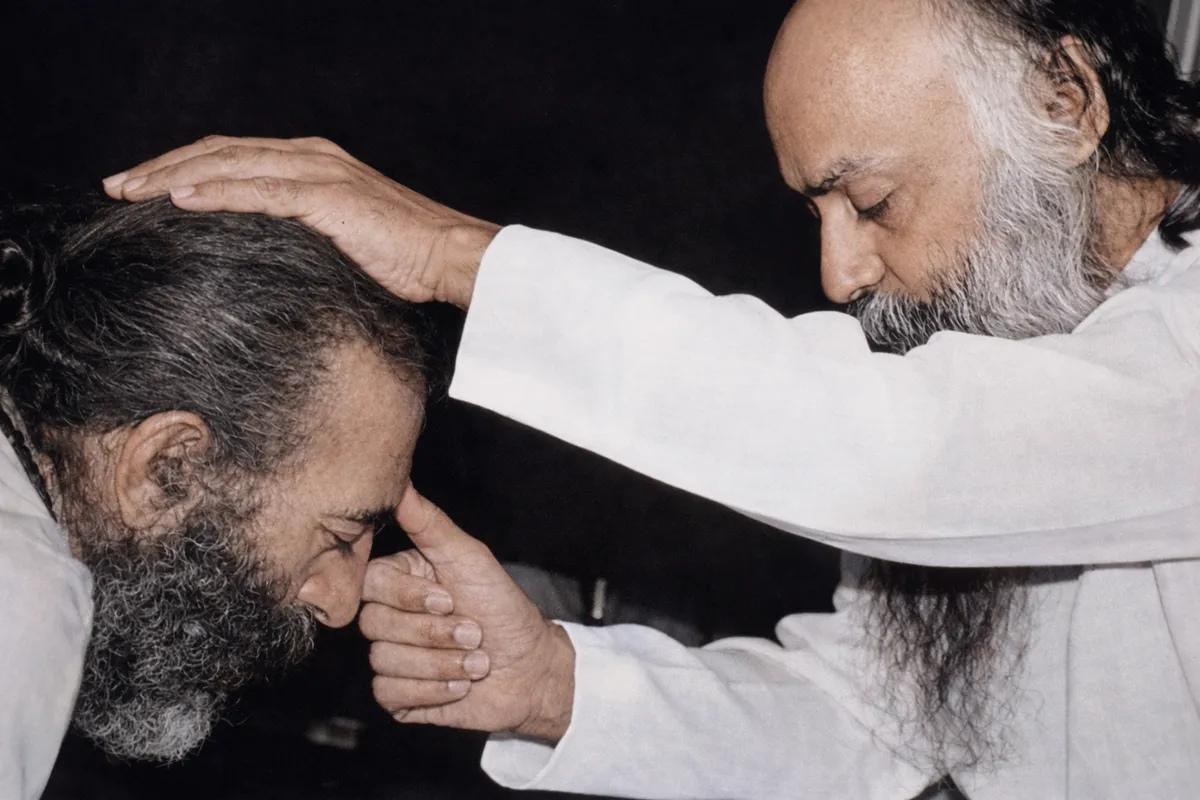
Please explain the significance and meaning of the following with respect to the energy of kundalini: prostrating on the ground in obeisance to a holy person, touching his feet with the head or hands, offering worship at holy places, the blessings of a divine person given by touching the head or back of a seeker, the covering of the head by sikhs and mohammedans on entering the gurudwara or mosque.
But usually temples are not living ones because there are great difficulties in keeping them alive. A temple becoming alive is a great miracle. It is a part of a very profound science. Today, however, there is no one alive who knows this science and who can carry out its various requirements. Nowadays the class of people who run temples as shops has become so large that if there is someone who knows this science he will not be allowed even on the premises of the temple. Temples are now run along business lines, and it is in the interest of the priests that the temple remains dead. Living temples are not beneficial for a purohit, a priest. He wants a dead god in the temple whom he can lock up, and then he wants to keep the key himself. If the temple is connected with higher powers it will…
Osho, temples, pilgrimages, tilak and forehead marks, image-worship, rosaries, mantra–tantra, scriptures and Puranas, fire-offerings and Vedic sacrifices, rites, shraddha, planets and constellations, astrological calculations, omens and portents—these once had meaning, but now seem futile. Please explain them and tell us: were they merely outer instruments of sadhana? Merely external arrangements for remembering, which time’s swift pace uprooted? Or did they also have inner interrelations? Will time consent to take them up again?
In the life of Moses it is said: he went up the mountain and saw a divine fire—a bush aflame, fire all around, yet flowers blooming and leaves green within. Seeking God, Moses rushed forward, and a voice cried from the bush, “Fool, leave your shoes beyond the boundary!” There was no boundary—open wilderness. He looked, “Where is the boundary?” He experienced: “Here it is—up to where Moses is Moses; a step further, and something changes.” He left his shoes and sought forgiveness: “Pardon me; I entered holy ground with shoes.” That is the magnetic field. The temple has a circle—an enchanted domain—with a very living use for the village. And it bore fruit. For thousands of years, the innocence and purity of Indian village life owed less to the villagers than to the charged temple. The poorest village was wretched without a temple. However poor, a temple it must…
ओशो, मंदिर, तीर्थ, तिलक-टीके, मूर्ति-पूजा, माला, मंत्र-तंत्र, शास्त्र-पुराण, हवन-यज्ञ, अनुष्ठान, श्राद्ध, ग्रह-नक्षत्र, ज्योतिष-गणना, शकुन-अपशकुन, इनका कभी अर्थ था, पर अब व्यर्थ हो गए हैं। इन्हें समझाने की कृपा करें और बताएं कि क्या ये साधना के बाह्य उपकरण थे? रिमेंबरिंग या स्मरण की मात्र बाह्य व्यवस्था थी, जो समय की तीव्र गति के साथ पूरी की पूरी उखड़ गई? अथवा भीतर से भी इसके कुछ अंतर्संबंध थे? क्या समय इन्हें पुनः लेने को राजी होगा?
मूसा के जीवन में उल्लेख है कि जब मूसा पहाड़ पर गया, उसने पहाड़ पर दिव्य अग्नि जलते देखी। एक झाड़ी में आग लगी है। पूरी झाड़ी जलती है, चारों तरफ आग है, फिर भी बीच में झाड़ी में फूल खिले हैं और झाड़ी में हरे पत्ते हैं। मूसा परमात्मा की खोज में है, वह एकदम आगे बढ़ा, तो झाड़ी से जोर से आवाज आई कि नासमझ, जूते सीमा के बाहर छोड़ दे! सीमा वहां कोई न थी, खुला जंगल था। सीमा वहां कोई न थी, खुला जंगल था; तो मूसा ने चल कर देखा कि सीमा कहां है? और जब उसे अनुभव हो गया कि सीमा यहां है--जहां तक मूसा मूसा रहा, और जहां से एक कदम आगे बढ़ा और उसे लगा कि कुछ बदला--वहां उसने जूते बाहर रख दिए। यह मैगनेटिक फील्ड! उसने जूते बाहर रख दिए और माफी मांगी कि मुझे क्षमा कर देना, मैं पवित्र भूमि में जूता लिए आ गया था। मंदिर का एक वर्तुल है, उसके अपने आविष्ट क्षेत्र का, जो बहुत जीवंत है। उस जीवंत वर्तुल का पूरे गांव के लिए उपयोग था। और उसने परिणाम लाए थे। …
Osho, what is prana and what is apana? What does it mean to offer prana into apana, and to offer apana into prana? Please clarify this again.
What is within us is also part of the outside. Right now a breath is inside me. A little while ago it was with you, it was yours. A little earlier it was with a tree, it belonged to the tree. Before that, somewhere else. Now it is within me. Before I can even say it is inside me, it has gone out. If we dedicate what is within us to the outer world of prana, if we know it too as given back to the outside, then nothing remains inside—everything becomes empty. This is one kind of surrender: to offer the inner breath into that vast net of prana spread through the atmosphere, to pour it there as an oblation, to consign it there. Or we can do the reverse. The whole outer pranic cosmos is also but a part of my within, spread outwards. If we dedicate that…
प्रश्न: ओशो, प्राण क्या है और अपान क्या है? अपान में प्राण का हवन क्या है और प्राण में अपान का हवन क्या है? इसे फिर से स्पष्ट करें।
जो हमारे भीतर है, वह भी बाहर का हिस्सा है। अभी मेरे भीतर एक श्वास है। थोड़ी देर पहले आपके पास थी, आपकी थी। और थोड़ी देर पहले किसी वृक्ष के पास थी, वृक्ष की थी। और थोड़ी देर पहले कहीं और थी। अभी मेरे भीतर है। मैं कह भी नहीं पाया कि मेरे भीतर है, कि गई बाहर। जो हमारे भीतर है, उसको अगर हम बाहर के प्राण-जगत में समर्पित कर दें, जानें कि वह भी दे दी बाहर को, तो भीतर कुछ बच नहीं रह जाता। सब शून्य हो जाता है। एक समर्पण यह है। …
Profound Quotes on Prana-Pratishtha
Explore our structured collection of meaning-mapped quotes regarding Prana-Pratishtha.