
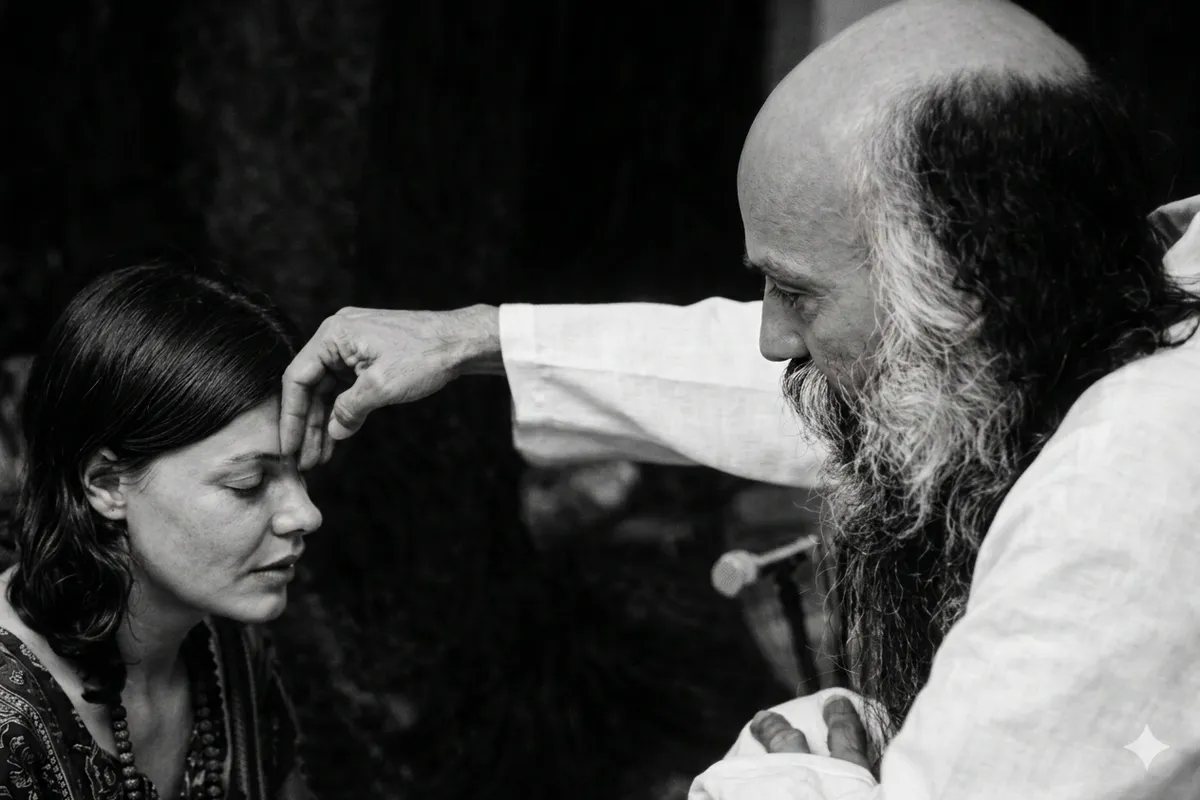
Osho's perspective on Normalcy
When Osho Spoke About Normalcy
Passages from the discourses where this theme comes alive.
Please can I be simply normal?
NORMAL IS OKAY, but what is SIMPLY normal? Again you are making a condition; you are making it complex. Simply normal? Is being normal not enough? What more is added by putting 'simply' in front of 'normal'? The mind is such that it cannot be happy with the natural, the normal. It always makes conditions and through those conditions it falsifies everything. Normal is possible, but simply normal is not possible. That 'simple' will be something brought in from the outside. Man has become so accustomed to the artificial that even when sometimes the desire to be natural arises in him, what he thinks about as nature is not nature, it is again his IDEA of nature. What he says is natural is again his idea of the natural -- not the natural, because the natural needs no idea. You need not become natural, you ARE natural; just stop being…
Osho, have I learned correctly that simplicity is a state of effortlessness, and that wherever there is effort there is no simplicity?
Only the person who has not made efforts for simplicity can be simple in the true sense. But what does this mean? Does it mean we should do nothing for simplicity? No, it does not mean that. I am saying: do not make effort—but you will have to be aware. And being aware is not effort, because in awareness we are not suppressing anything. In awareness we are not repressing anything. In awareness, the light of our consciousness, which lies asleep in dark corners, we lift it up; we awaken it. A man is asleep; we wake him. We are not making him repress anything; we are only breaking his sleep. Our consciousness within is asleep—deeply asleep in many ways. We are awakening it. This awakening may look like a kind of effort, but it is not effort in that sense. Therefore the Zen masters call it effortless effort—actionless action,…
ओशो, हैव आई करेक्टली लर्न्ट दैट दि सिंपलिसिटी इ़ज दि स्टेट ऑफ एफर्टलेसनेस। एण्ड व्हेअर देअर इ़ज स्टेट ऑफ एफर्टस् देअर इ़ज नो सिंपलिसिटी?
सिर्फ वही आदमी सच्चे अर्थों में सरल हो सकता है, जिसने सरलता के लिए प्रयास नहीं किया। लेकिन, इसका क्या मतलब है? क्या इसका यह मतलब है कि सरलता के लिए कुछ भी न करें? नहीं, इसका यह मतलब नहीं है। प्रयास न करें, यह मैं कह रहा हूं, लेकिन जागरूक होना पड़ेगा। और जागरूक होना प्रयास नहीं है, क्योंकि जागरूक होने में हम किसी चीज को दबा नहीं रहे हैं। जागरूक होने में हम किसी चीज का दमन नहीं कर रहे हैं। जागरूक होने में हमारी जो चेतना है, जगह-जगह अंधेरे में पड़ी है, उसे हम उठा रहे हैं, उसे जगा रहे हैं। एक आदमी सोया है, हम उसे जगाते हैं। हम उस आदमी के भीतर कुछ दमन नहीं करवा रहे हैं, सिर्फ उसकी नींद तोड़ रहे हैं। हमारी चेतना भीतर सोई हुई है, बहुत-बहुत रूपों में सोई हुई है। उसे हम जगा रहे हैं। यह जगाना भी एक तरह का प्रयास मालूम होगा, लेकिन यह उस अर्थों में प्रयास नहीं है। इसलिए इसे झेन फकीर तो कहते हैं, एफर्टलेस एफर्ट। यह प्रयास रहित प्रयास या एक्शनलेस एक्शन, कर्मरहित कर्म। …
Is reality different from this?
It has no meaning; it means nothing. But it is part of human nature that one can be unnatural. When one is unnatural, one suffers. Suffering means: the fruit of being unnatural. When one is natural, one is happy. Happiness means: the fruit of being natural. But don’t try to be natural—otherwise that too will be unnatural. Simply understand your unnaturalness; the matter will be finished, and slowly your naturalness will arrive. Things are as they are. If this insight dawns, a great possibility for meditation opens.
प्रश्न: रियलिटी इससे डिफरेंट है?
कुछ मतलब नहीं है इसका, इसका कोई मतलब नहीं है। लेकिन मनुष्य के स्वभाव का यह हिस्सा है कि वह अस्वाभाविक हो सकता है। अस्वाभाविक होता है तो दुख पाता है। दुख का मतलब है: अस्वाभाविक होने का फल। स्वाभाविक होता है, सुख पाता है। सुख का मतलब है: स्वाभाविक होने का फल। लेकिन स्वाभाविक होने की चेष्टा मत करना, नहीं तो वह भी अस्वभाव ही होगा। अस्वाभाविक होने को समझ लेना, बात खत्म हो जाएगी, धीरे-धीरे स्वभाव आ जाएगा। चीजें जैसी हैं--हैं। यह खयाल आ जाए तो ध्यान के लिए बड़ी संभावना बन जाती है।
But we have condensed ourselves into a solid “I am.” This insistence makes us unnatural; it does not allow us to accept the simplicity of life. There was a fakir, Nanin, in Japan a thousand years ago. The emperor went to meet him. Nanin was digging holes in his garden. The emperor had imagined a great sage with a halo around his head—sages always have such halos; photographers are told in advance to add them. In ancient days, painters did the same. He expected a luminous face. He asked the man digging outside: I wish to meet the great Master Nanin. The man said: No great Master lives here—only a man named Nanin. The emperor thought him rude. Where is he? The man replied: I know nothing of any great Master; I know Nanin. Shall I call him? Where is he? He said: I am he. The emperor was bewildered.
एक फकीर हुआ नानइन। जापान में हुआ कोई हजार वर्ष पहले। जापान का बादशाह उससे मिलने गया। वह अपनी बगिया में बाहर गड्ढे खोद रहा था। बादशाह ने सोचा था कोई बहुत विशिष्ट महापुरुष होगा, जिसके सिर के चारों तरफ प्रकाश का आवृत बना होगा। साधु-संतों के बना रहता है। पहले से ही फोटोग्राफर को कह रखते हैं, बना देना। पुराने दिनों में फोटोग्राफर तो होते नहीं थे, चित्रकार होते थे, वे बना देते थे। तो उसने सोचा था कि इतना महापुरुष है, तो कोई प्रकाश चारों तरफ इसके मुखमंडल के आवृत बना होगा। जाकर गड्ढा खोदते आदमी से उसने पूछा कि महात्मा नानइन से मिलना चाहता हूं।
What does it mean to be simply normal?
definitionProfound Quotes on Normalcy
Explore our structured collection of meaning-mapped quotes regarding Normalcy.