
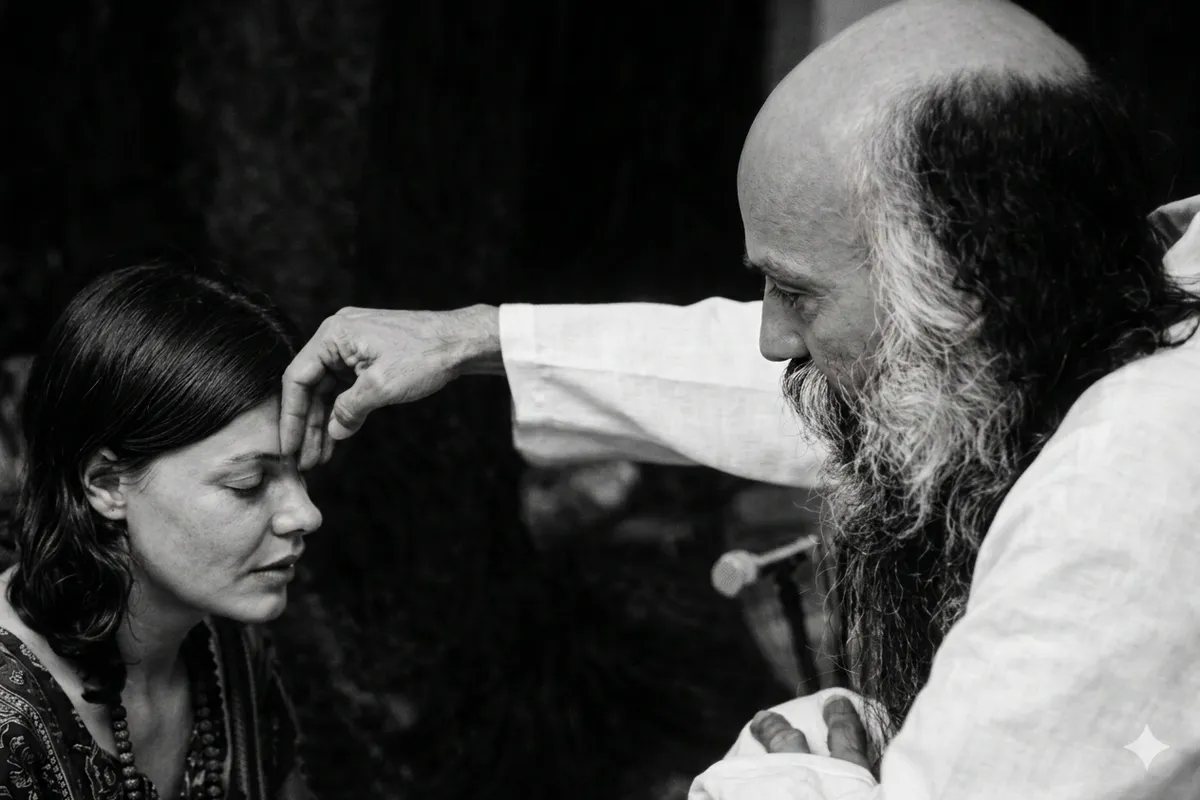
Osho's perspective on Inactivity
When Osho Spoke About Inactivity
Passages from the discourses where this theme comes alive.
It has been asked: “If we drop these, will we become inactive?”
We are very strange people. Without dropping anything, we start asking, “If we drop, will we become inactive?” Has anyone who truly dropped ever been seen as inactive? Was Mahavira inactive? Was Buddha inactive? Who could be more active than they? Buddha had announced that that very day he would die. He told his monks, “If you have any last question, ask now; my final hour has come and I will depart.” The monks—tears in their eyes—could not bring themselves to ask anything. Buddha went behind the shelter of a tree, closed his eyes, so that he could sink within and dissolve in peace. Just then a man came running from the village and said he had something to ask the Buddha. The monks said, “Now he has already taken leave; he has closed his eyes. He asked if anyone had a question, and we declined. Now it is impossible.”…
Osho, another difficulty has arisen. Today there is such a gap between the private sector and the public sector that if we destroy the private sector, initiative disappears—and when initiative disappears, movement stops. In the same way, when one descends into non-attachment, or desirelessness, or karma-sannyas, it seems that initiative, zest, and drive all get converted into inactivity. That possibility seems real.
Where we claim to go against biology but still obey biology’s rule—being attracted to the opposite—everything turns dull and empty. Houses remain huts, pressed to the ground; all activity wanes; no one sings; a singing person seems criminal; bright clothes disappear; color, charm, beauty are lost; everything becomes sad, subdued, and shrunken. My own view is that both have their own laws, and a true culture stands on both. A true culture will be sex-free in the sense of being un-repressed: it will rejoice in sex, be festive in sex, and vast worldly activity will arise. And true spirituality, based on the right choice of type, will spread a web of spiritual activity. Krishna stands rightly in his own type; Buddha in his own; Mahavira in his own. Hence Krishna acts in one way, but it is not that Buddha does not act. Buddha’s life, too, is a vast web…
ओशो, एक तकलीफ और पैदा हो गई है। जैसे आज प्राइवेट सेक्टर और पब्लिक सेक्टर, दो में इतना अंतर है कि अगर हमने प्राइवेट सेक्टर को नष्ट कर दिया तो इनिशिएटिव खत्म हो जाता है। और इनिशिएटिव खत्म हो जाने से गति रुक जाती है। तो अनासक्ति में उतर जाने पर या निष्काम में उतर जाने पर या कर्म-संन्यास में उतर जाने पर ऐसा लगता है कि जो पहल है, जो स्फूर्ति है, जो इनिशिएटिव है, वह सारी चीज कनवर्ट हो जाती है निष्क्रियता में। इसकी संभावना तो है।
जिन मुल्कों में हम कहेंगे कि हम जीवशास्त्र के विपरीत चलते हैं, और नियम जीवशास्त्र का ही मानेंगे--विपरीत से आकर्षित होंगे--वहां सब उदास, शून्य हो जाएगा। वहां मकान झोपड़े रह जाएंगे, जमीन से लग जाएंगे; वहां सब गतिविधि क्षीण हो जाएगी, वहां कोई गीत नहीं गाएगा, गीत गाता हुआ आदमी अपराधी मालूम पड़ेगा; वहां रंग-बिरंगे कपड़े खो जाएंगे, वहां रंग-रौनक, सौंदर्य खो जाएगा, वहां सब उदास, दीन-हीन और क्षीण हो जाता है। अब मेरा अपना मानना यह है कि दोनों के अपने नियम हैं, और ठीक पूरी संस्कृति दोनों नियमों पर खड़ी होती है। ठीक संस्कृति काम-मुक्त होगी, काम में आनंद लेगी, काम में उल्लसित होगी, तो क्रिया पैदा होगी, विराट क्रिया का जाल फैलेगा। और ठीक अध्यात्म, ठीक टाइप के चुनाव से अगर होगा, तो आध्यात्मिक क्रिया का जाल फैलेगा। कृष्ण ठीक अपने टाइप में हैं। बुद्ध अपने टाइप में हैं। महावीर अपने टाइप में हैं। इसलिए कृष्ण एक तरह की क्रिया करते हैं, लेकिन ऐसा नहीं है कि बुद्ध कोई क्रिया नहीं करते। …
Osho, what is attachment? Why do we become so attached to things, ideas and persons? And is there freedom from attachment?
“So do one thing,” she told the courtesan. “I will pay you whatever you ask. Go to him at midnight. He meditates at midnight—has done so for thirty years. I want to know whether meditation has happened or not before I die. His hut door is only latched; no one ever goes there. Open it and go in. Whatever he says, notice every word and tell me. Go and embrace him—then come back and report. Before I die, I want to be sure that my service was not in vain.” The courtesan went. She opened the door. The monk was startled. He opened his eyes—he had been sitting in meditation—and shouted, “You wicked woman! Why are you here? Get out! What need have you to come at midnight?” But his tongue faltered; his body trembled. The woman had taken her money; she went right in. He cried, “Stay back! Why…
पहला प्रश्न: ओशो, आसक्ति क्या है? हम चीजों, विचारों और व्यक्तियों से इतने आसक्त क्यों हो जाते हैं? और क्या आसक्ति से छुटकारा भी है?
तो तू एक काम कर--उसने वेश्या को कहा--कि जो तुझे लेना हो उतने पैसे मैं दूंगी। तू आधी रात आज चली जा। वह फकीर आधी रात को ध्यान करता है। तीस साल से कर रहा है, अभी तक हुआ ध्यान या नहीं, यह मैं जानना चाहती हूं। मरने के पहले यह पक्का कर लेना चाहती हूं कि जिसकी सेवा की, व्यर्थ ही तो नहीं की। तो तू चली जाना भीतर। उसकी झोपड़ी का द्वार अटका ही रहता है, क्योंकि कोई कभी जाता ही नहीं। तू द्वार खोल लेना। और वह कुछ भी कहे, एक-एक बात का खयाल रखना, मुझे तुझे बताना पड़ेगा। और जाकर एकदम उसका आलिंगन कर लेना। वह क्या कहता है, क्या करता है, बस तू लौट कर मुझे बता देना। मरने के पहले मैं यह जान लेना चाहती हूं। वह वेश्या गई। उसने दरवाजा खोला। दरवाजा खोला तो साधु एकदम घबड़ाया। उसने आंख खोल कर देखा साधु ने। ध्यान करने बैठा था, एकदम चिल्लाया कि अरी दुष्ट स्त्री! …
Osho, you said... then you will find that the devotee is God. The question arises: if one devotee prefers to be God and another wants to remain only a devotee, then which of the two is superior?
The one who wants to be God will not be able to be. And the one who wants to remain a devotee will become God. The question of superior or inferior does not arise, because only one of the two will happen. The one who does not want to be will be. The one who wants to be will be deprived. That very wanting is of the ego. But the matter is a little delicate. Sometimes humility too belongs to the ego. Beware that your humility may not be of the ego. Perhaps you are saying, “No, I don’t want to be,” because you know that those who refuse are the ones who attain. Then you are clever. Then your humility is adulterous. Your humility is not pure, not sacred, not virginal—it is like a prostitute. The one who wants to be God, whose ego says, “I must become God,”…
दूसरा प्रश्न: ओशो, आपने कहा... तब पाओगे कि भक्त ही भगवान है। प्रश्न उठता है कि एक भक्त भगवान होना पसंद करे और दूसरा सिर्फ भक्त रहना चाहे, तो दोनों में श्रेष्ठ कौन है?
जो भगवान होना चाहे वह तो हो न पाएगा। और जो भक्त भक्त ही रहना चाहे वह भगवान हो जाएगा। श्रेष्ठ-अश्रेष्ठ का सवाल नहीं उठता, क्योंकि एक ही हो पाएगा। जो नहीं होना चाहता वही हो पाएगा। जो होना चाहता है, वह तो वंचित रह जाएगा। वह तो चाह भी अहंकार की ही है। लेकिन मामला थोड़ा नाजुक है। कभी-कभी ऐसा होता है कि विनम्रता भी अहंकार की ही होती है। कहीं तुम्हारी विनम्र्रता भी अहंकार की ही न हो। कहीं तुम इसलिए ही न कर रहे होओ कि नहीं मैं नहीं होना चाहता, क्योंकि तुम जानते हो कि जो इनकार करते हैं वही हो पाते हैं। तो तुम चालाक हो। तो तुम्हारी विनम्रता व्यभिचारी है। तो तुम्हारी विनम्रता शुद्ध नहीं, पवित्र नहीं, कुंआरी नहीं, वेश्या जैसी है।
Profound Quotes on Inactivity
Explore our structured collection of meaning-mapped quotes regarding Inactivity.