
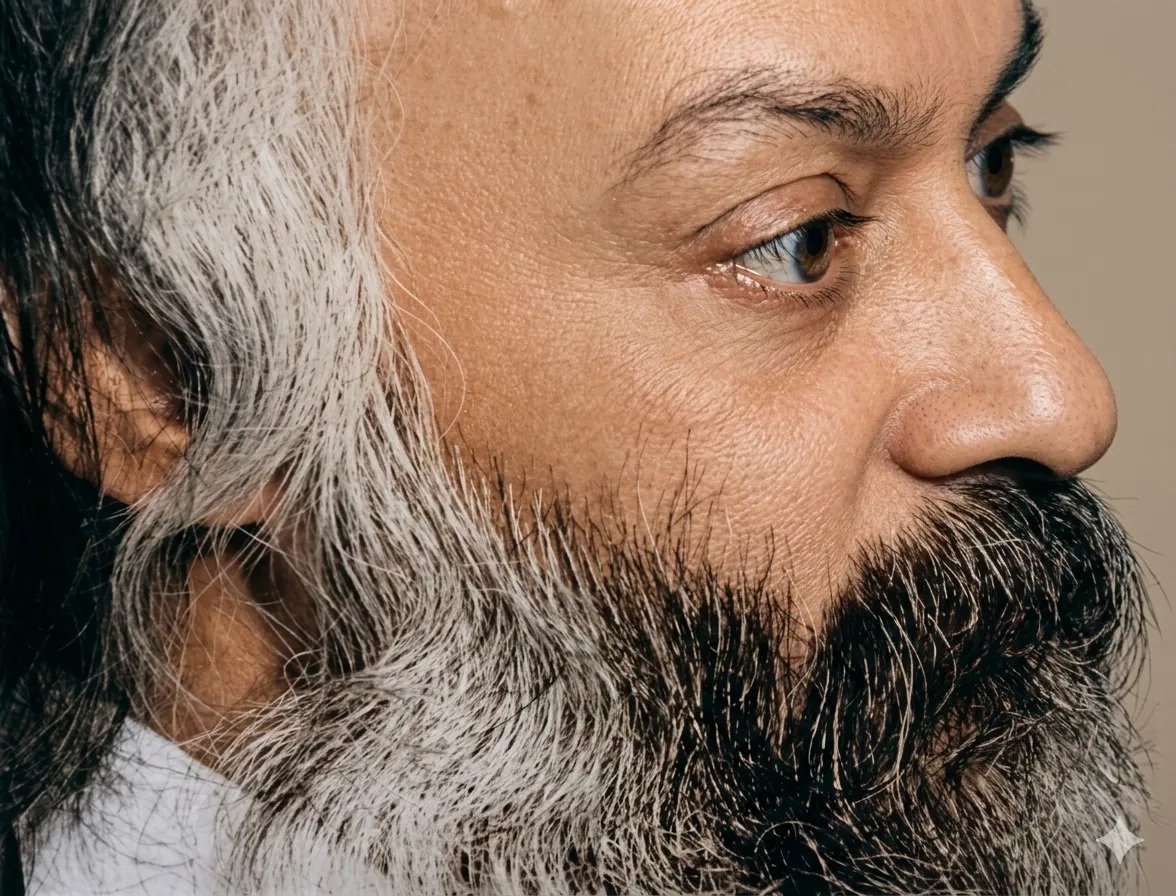
Osho's perspective on Emptiness and Fullness
When Osho Spoke About Emptiness and Fullness
Passages from the discourses where this theme comes alive.
Osho, Buddha insists on emptiness and Shankara on fullness. They each marshal weighty arguments and debates for their respective positions. They know the Truth, the Divine. Even so, why do they refute the other and extol their own? And you support both at once—why is that?
Death is just as divine. Night is as much God as day is. One aspect had been missed; there had been too much talk—only talk remained; the air was smoky with words; a web of words had been woven. A fresh expression was needed; the Divine was in search of a new word with which to knock again on the hearts still untouched by the stupidity of scholarship; to call again to those who are innocent, guileless, simple. Buddha caught hold of “emptiness.” It was a significant word. Consider: Buddha and Mahavira were born in the same era. Yet Buddha’s impact was unprecedented; Mahavira’s was not. Buddha’s thought spread across the world; its waves went to far horizons. Mahavira’s remained limited, reaching only a few. Both are equally wise. Both have the same experience. Both are mighty. One is not superior to the other, neither is behind. Then why did…
पहला प्रश्न: ओशो, बुद्ध शून्यता का आग्रह करते हैं और शंकर पूर्णता का। वे अपने-अपने आग्रह के लिए भारी तर्क और वाद-विवाद भी खड़ा करते हैं। इन्हें सत्य का, परमात्मा का पता है। फिर भी ये दूसरे का खंडन एवं स्वयं का मंडन क्यों करते हैं? और एक आप हैं जो दोनों का एक साथ समर्थन करते हैं, ऐसा क्यों?
एक पहलू चूक गया था, चर्चा बहुत हो चुकी थी, चर्चा ही चर्चा रह गई थी; हवा में धुआं ही धुआं था बातचीत का, शब्दों का जाल गुथ गया था। एक नई अभिव्यंजना चाहिए थी, परमात्मा नये शब्द की तलाश में था, जिससे फिर उन हृदयों पर दस्तक दे सके जो अभी पांडित्य की मूढ़ता से अछूते हैं। फिर उन्हें पुकार सके जो निर्दोष हैं, निष्कलुष हैं, जो सहज हैं। बुद्ध ने शून्य पकड़ा। महत्वपूर्ण शब्द था। तुम सोचो, बुद्ध और महावीर एक साथ ही पैदा हुए। लेकिन बुद्ध का प्रभाव अप्रतिम हुआ, महावीर का नहीं हुआ। बुद्ध का विचार सारे जगत पर फैलता चला गया, उसकी लहरें दूर-दिगंत तक गईं। महावीर का विचार बड़ी सीमित दुनिया में रहा, थोड़े से लोगों तक गया। दोनों एक से प्रज्ञावान हैं। दोनों का एक अनुभव है। दोनों बड़े समर्थ हैं। एक-दूसरे से श्रेष्ठ हैं, कहीं कोई किसी से पीछे नहीं है। फिर महावीर का विचार दूर-दिगंत तक गया क्यों नहीं? कारण था। महावीर पिटे-पिटाए शब्दों का उपयोग कर रहे थे। उन्होंने परमात्मा को पुराने और बासे शब्दों से ही पुकारा--आत्मा। …
Osho, could Shankara’s maya mean not falsehood but changeability?
You can assign any meaning you like. But Shankara calls change itself false. What Shankara is saying is precisely this: that which is not the same forever is untrue; that which was one thing yesterday, is something else today, and will be something else tomorrow—this is mithya, the unreal. In Shankara’s definition, change is the very synonym of falsehood, and the unchanging the synonym of truth. For him, truth is that which is eternal—eternity itself—what simply is, as it is, without ever undergoing any change and in which change is not even possible. What does this imply? It means that what was one thing a moment ago and becomes something else a moment later—what does that mean? It means what it was a moment ago, it truly wasn’t; and what it becomes a moment later, that too it isn’t—because in the next moment it will be something else again. That…
ओशो, शंकर की माया का अर्थ झूठ न होकर परिवर्तनशीलता नहीं हो सकता?
अर्थ तो कुछ भी किया जा सकता है। लेकिन शंकर परिवर्तनशीलता को ही झूठ कहते हैं। शंकर कहते ही यह हैं कि वही है असत्य, जो सदा एक सा नहीं है। वही है मिथ्या, जो कल था कुछ और, आज है कुछ और, कल होगा कुछ और। शंकर की मिथ्या और असत्य की परिभाषा ही परिवर्तन है। शंकर कहते हैं, जो शाश्र्वत है, सदा है, वही है; वही है, वैसा ही है। जिसमें कभी कोई परिवर्तन नहीं हुआ, जिसमें परिवर्तन हो ही नहीं सकता, वही है सत्य। सत्य की शंकर की परिभाषा शाश्र्वतता है। इटरनिटी है। और संसार की परिभाषा परिवर्तन है, जो बदल रहा है, जो बदलता जा रहा है, जो एक क्षण भी वही नहीं है जो एक क्षण पहले था। अब इसका मतलब क्या हुआ? इसका मतलब यह होता है कि जो एक क्षण पहले कुछ और था और एक क्षण बाद कुछ और हो गया--इसका मतलब क्या हुआ? इसका मतलब यह हुआ कि जो एक क्षण पहले था, वह भी वह नहीं था; और एक क्षण बाद जो हो गया, वह भी वह नहीं है; क्योंकि एक क्षण बाद वह फिर कुछ और हो जाएगा। जो नहीं है, उसी का नाम असत्य है। …
Osho, Lord Buddha used to tell a story. A man met a tiger in a field. He ran. The tiger chased him. He reached the edge of a terrifying ravine, with no way forward. Grabbing the root of a wild vine, he hung down into the chasm. The tiger came up and sniffed at him from above. Trembling, the man looked into the ravine and saw another tiger below, waiting to swallow him. Meanwhile two mice—one white and one black—began gnawing the root of the vine. And just then the man spotted a ripe, sweet fruit. Holding the vine with one hand, he plucked the fruit with the other. How sweet it tasted! Osho! Pl
The story is older than Buddha, but the way Buddha used it is entirely his own. Both meanings are worth understanding. The story, in its original form, is the essence of Hindu thought. But Buddha wrote over it with a bold, new ink—and the entire meaning changed. Buddha’s interpretation is unique. First, let us understand the Hindu perspective. It has its own validity. Then we will also see how the same symbol can become a foundation for two different visions. Change the way of seeing, and what is seen also changes. The world is in our vision, not in things. As the seer is, so the world appears. Hindu thought rests on the idea that the world is maya—illusion. The pleasures found in it are momentary, not true. Now they are, and in the next moment they are not. Death erases life—indeed, every moment it is erasing it. The white…
प्रश्न: ओशो, भगवान बुद्ध एक कहानी कहा करते थे। एक आदमी को खेत में बाघ मिल गया। वह भागा। बाघ ने भी उसका पीछा किया। वह एक भयानक खड्ड के किनारे पहुंच गया, जिसके आगे राह नहीं थी। एक जंगली बेल की जड़ को पकड़कर, वह खाई के नीचे लटक गया। बाघ भी वहां पहुंचकर ऊपर से उसको सूंघने लगा। ऐसे कांपते हुए उस आदमी ने खड्ड में झांका तो वहां एक दूसरा बाघ उसको निगलने को तैयार खड़ा था। इस बीच दो चूहे--एक सफेद और एक काला--उस बेल की जड़ को धीरे-धीरे कुतरने लगे। और उस आदमी को उसी समय एक पका हुआ मीठा फल दिख गया। एक हाथ से बेल को थामते हुए उसने दूसरे हाथ से फल को तोड़ लिया। कैसा मीठा उसका स्वाद था! ओशो! इस कहानी को हमें समझान
कहानी तो हिंदू-चिंतन का सार है। लेकिन बुद्ध ने उसके ऊपर बड़े नए अर्थ की कलम लगाई। और तब कहानी का पूरा अर्थ ही बदल गया। और बुद्ध ने उस कहानी की जो परिभाषा की, वह बड़ी अनूठी है। तो पहले तो हम हिंदू-दृष्टि को समझ लें। उसकी अपनी सार्थकता है। और तब हमें यह भी समझ में आ सकेगा कि एक ही प्रतीक कैसे दो भिन्न दृष्टियों के लिए आधार बन सकता है। देखने का ढंग बदल जाए, तो जो हम देखते हैं, वह भी बदल जाता है। और जगत हमारी दृष्टि में है, वस्तुओं में नहीं। देखने वाला जैसा होता है, वैसा ही जगत दिखाई पड़ता है। हिंदू-चिंतन का आधार है कि जगत माया है। उसमें मिले हुए सुख क्षणभंगुर हैं, सत्य नहीं। अभी हैं, अभी नहीं हो जाएंगे। मौत जीवन को पोंछ डालेगी। प्रतिपल पोंछ ही रही है। और वह जो सफेद और काला चूहा है, वे दिन और रात, जीवन की जड़ों को काट रहे हैं। जितनी देर हम जीते हैं, उतनी देर हम मरते हैं। और जन्म के साथ ही मरना शुरू हो जाता है। बच्चा पैदा नहीं हुआ कि मरना शुरू हो गया। काले-सफेद चूहों ने जड़ें काटनी शुरू कर दीं। …
Question: Fifth question: Osho, why are you bringing love into Buddha’s emptiness? ... Therefore I am using both together. The pundit has ruined the Full, the pundit has ruined the Empty. Now there is only one way: we use both at once. Perhaps the pundit will not be able to grasp both together. Because to him it will seem contradictory, incongruent. What I say will seem to the pundit contradictory, inconsistent. For pundit means logic. He will say: either say the Whole—then surely you are an Upanishadist; or say emptiness—then surely you are a Buddhist. I am no -ist at all. I have seen that the door of emptiness leads into the temple of the Whole. And I have seen that whoever would enter the temple of the Whole cannot go by any gate other than the door of emptiness.
इसलिए मैं दोनों का प्रयोग एक साथ कर रहा हूं। पूर्ण को भी पंडित नष्ट कर चुका, शून्य को भी पंडित नष्ट कर चुका। अब तो एक ही उपाय है कि हम दोनों का एक साथ उपयोग करें। शायद पंडित दोनों को एक साथ न पकड़ पाए। क्योंकि पंडित को लगेगा, यह तो विरोधाभासी है, संगति नहीं है। मेरी बात, पंडित को लगेगी विरोधाभासी है, कंट्राडिक्ट्री है, इनकंसिस्टेंट है। क्योंकि पंडित का अर्थ है, तर्क। वह कहेगा: या तो कहो पूर्ण, तो पक्का कि तुम उपनिषदवादी हो; या कहो शून्य, तो पक्का कि तुम बुद्धवादी हो। मैं कोई वादी नहीं हूं। मैंने तो देखा कि शून्य का द्वार पूर्ण के मंदिर में पहुंचा देता है। और मैंने देखा कि पूर्ण के मंदिर में जिसे भी जाना हो, वह शून्य के द्वार के अतिरिक्त और कहीं से जा नहीं सकता। तो मेरे लिए शून्य और पूर्ण में विरोध नहीं है। शून्य साधना है, पूर्ण साध्य है। दोनों को मैं एक साथ उपयोग कर रहा हूं, ताकि पंडित की पकड़ मुझ पर न बैठ सके। जहां-जहां संगति है वहां-वहां पंडित पकड़ बिठा लेता है। …
Profound Quotes on Emptiness and Fullness
Explore our structured collection of meaning-mapped quotes regarding Emptiness and Fullness.