
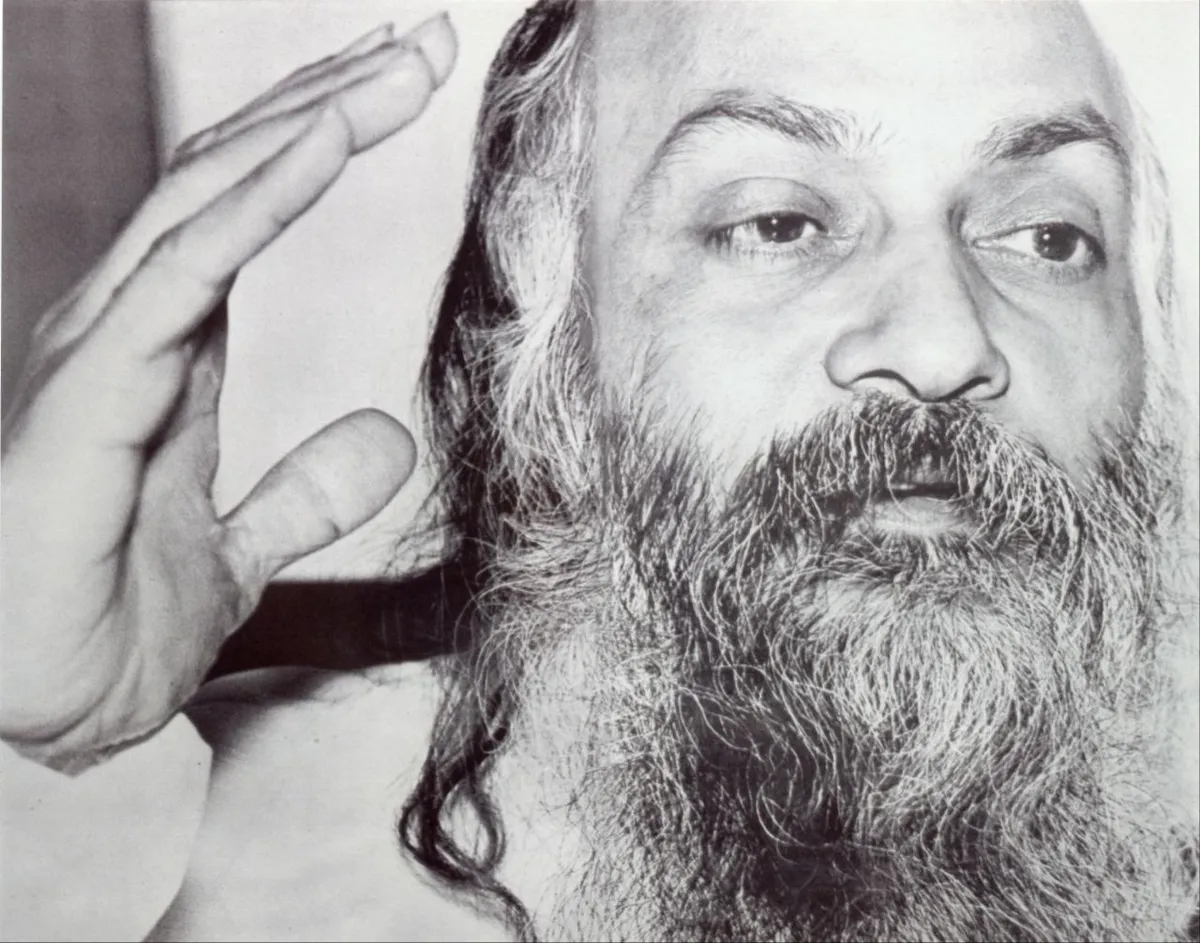
Osho's perspective on Drunkenness
When Osho Spoke About Drunkenness
Passages from the discourses where this theme comes alive.
Osho, not only is there no tradition around revelers like Baba Malukdas; even companions are scarcely ever heard of! Why has there always been fear and objection to drinking with drunkards? Please speak.
When someone like Maluk appears in the world, he says: drop fear; come, let us talk of love. Drop fear—come, let us be intoxicated. Drop fear—come, let us hum the Beloved’s songs—in ecstasy, in love. Beyond God-love there is nothing else. Come, place your hand in God’s hand, embrace the Beloved; dance with God, play the rās. When a saint says something like this, you get frightened. Because the nets of fear woven over lifetimes—your chains, your habits, your notions, your conditioning—suddenly halt and stiffen: this is dangerous talk. You know that if you drop fear, your whole morality goes; your whole conduct goes. It is all false—that is why you fear its going. Maluk brings a new kind of conduct into the world—a conduct that rests on love; a conduct that rests on joy. You cannot do wrong because you are so blissful—how could you do wrong! You cannot…
पहला प्रश्न: ओशो, मलूक बाबा जैसे पियक्कड़ों की परंपरा तो क्या, संगी-साथी भी कम सुनाई पड़ते हैं! पियक्कड़ों के साथ पीने में सदा से क्या भय और एतराज रहा है? कृपा करके कहें।
जब मलूक जैसे व्यक्ति जगत में आते हैं, तो वे कहते हैं: छोड़ो भय; आओ, प्रेम की बात करें। छोड़ो भय--आओ, मस्त हों। छोड़ो भय--आओ, प्रभु के गीत गुनगुनाएं--आनंद में, प्रेम में। प्रभु-प्रेम के अतिरिक्त और कुछ भी नहीं है। आओ, प्रभु के हाथ में हाथ डालें, प्रभु को आलिंगन में लें; नाचें प्रभु के साथ, रास रचाएं। जब ऐसी कोई बात कभी कोई संत कहता है, तुम घबड़ा जाते हो। क्योंकि तुम्हारे भय के जन्मों-जन्मों के जाल, तुम्हारी जंजीरें, तुम्हारी आदतें, तुम्हारी धारणाएं, तुम्हारे संस्कार--सब एकदम घबड़ा कर, ठिठक कर खड़े हो जाते हैं कि यह तो बात खतरनाक है। तुम जानते हो कि तुमने भय छोड़ा, तो तुम्हारी सब नीति गई; तुम्हारा सब आचरण गया। सब झूठा है, इसलिए जाने का डर है। मलूक एक नये तरह का आचरण जगत में लाते हैं--एक आचरण जो प्रेम पर निर्भर है; एक आचरण जो आनंद पर निर्भर है। तुम बुरा इसलिए नहीं कर सकते, क्योंकि तुम इतने आनंदित हो कि बुरा कैसे कर सकोगे! तुम बुरा नहीं कर सकते, क्योंकि तुम इतने प्रेम से प्लावित हो कि बुरा कैसे कर सकोगे!
Osho, you sit in the tavern and, every morning and evening, you pour brimming goblet after goblet of wine. I do get intoxicated by your wine, but I don’t lose consciousness. What should I do?
That is why even a Sufi like Omar Khayyam has been misunderstood. Whatever notion you have about Omar Khayyam is wrong. The wine he spoke of is not the wine sold in taverns. The beloved he praised is not flesh-and-bone. He called the Beloved—God. And he called wine—devotion. Fitzgerald, who first translated Omar Khayyam into English, because of whom Omar became world-famous, did not understand him. Fitzgerald thought wine meant wine. He was a Western man. He took two plus two to be four. He took “wine” as wine and “beloved” as beloved. The subtle intention of the Sufis fell into a great misunderstanding. On the basis of Fitzgerald’s version the whole world translated him, and the mistake spread everywhere. Today taverns are named “Omar Khayyam.” Nothing could be more foolish. Temples should bear Omar Khayyam’s name—not taverns. Because the tavern he spoke of is of another kind. There is…
पहला प्रश्न: ओशो, आप मधुशाला में बैठ कर रोज सुबह और शाम भर-भर कर शराब के जाम पर जाम देते हैं। मैं आपकी शराब से मस्त तो होता हूं, पर होश नहीं खोता। क्या करूं?
इसीलिए उमर ख्य्याम जैसा सूफी फकीर भी गलत समझा गया। उमर खय्याम के संबंध में जो भी तुम्हारी धारणा है, सब गलत है। उसने जिस शराब की बात कही है, वह शराबखानों में बिकने वाली शराब नहीं है। उसने जिस प्रेयसी की बात कही है, वह हाड़-मांस-मज्जा की प्रेयसी नहीं है। उसने ‘प्रेयसी’ परमात्मा को कहा है। और उसने शराब ‘भक्ति’ को कहा है। फिट्जराल्ड ने, जिसने उमर खय्याम का सबसे पहले अंग्रेजी में अनुवाद किया और जिसके कारण उमर खय्याम जगत-विख्यात हुआ, उमर खय्याम को समझा ही नहीं। फिट्जराल्ड तो शराब का मतलब शराब समझा। पश्चिमी आदमी था। उसने तो दो और दो चार समझे। उसने तो शराब को शराब समझा और प्रेयसी को प्रेयसी समझा। सूफियों का अपूर्व मंतव्य ऐसे एक बड़ी गलतफहमी का शिकार हो गया। फिर फिट्जराल्ड के अनुवाद के आधार पर सारी दुनिया की भाषा में अनुवाद हुए और सब जगह भूल फैलती चली गई। आज तो शराबघरों के नाम उमर खय्याम हैं। इससे ज्यादा नासमझी और कुछ नहीं हो सकती।
Osho, People drink and stagger; but as for me, I come to your gathering thirsty and leave thirsty.
As you wish! Everyone makes their own choice. If you’ve decided not to drink—sworn an oath against it—then there is no remedy. There’s a saying: you can lead a horse to the river, but you can’t force it to drink. I can bring you to the river; after that, it’s your will. If you enjoy just coming and going, then come and go—you are welcome. But for how long? And what is the point of this to-and-fro? Have a sip! And stop looking for excuses. Humans are very cunning; they throw their responsibilities onto someone else. From your question it sounds as if you have no fault in it. In love’s marketplace, sometimes fate strikes the bargain; Time and again the deal of my heart is made, then undone. At times you blame fate, at times circumstances; at times you find some other cause. These are all alibis. If you…
पांचवां प्रश्न: ओशो, लोग पीते हैं लड़खड़ाते हैं; एक हम हैं कि तेरी महफिल में प्यासे आते हैं और प्यासे जाते हैं।
कहावत है: घोड़े को नदी तक ले जाया जा सकता है, लेकिन जबरदस्ती घोड़े को पानी तो पिलाया नहीं जा सकता। तो हम नदी तक आपको ले आते हैं, फिर आपकी मर्जी। अगर आपको इसमें ही मजा आ रहा हो--आने-जाने में, आइए-जाइए, स्वागत है। लेकिन कब तक! और आने-जाने में सार क्या है? थोड़ा चखिए! और बहाने मत खोजिए। क्योंकि आदमी बहुत चालाक है। वह जिम्मेवारियां फेंकता है किसी और पर।
Osho, I have seen many taverns and many drinkers dead drunk. But what can one say of your tavern! Never seen, never heard. In your tavern I have seen drinkers lost in ecstasy. And those who do not wish to drink—I see a strange ecstasy in them too. If one drinks and gets intoxicated, that I can understand. But seeing the non-drinkers in rapture—that I do not understand. Whenever I remember your tavern, a kind of heady swoon comes over me. This is even more astonishing! Is it really so, or is it my illusion? Kindly shed light on my doubt.
In the still water of that lake, the young lion saw he was not a sheep. Until now he had only seen sheep. In the world of sheep there are no mirrors. He had never seen his own face. Now he saw his own face, saw himself, and saw also that there was no difference between him and the old lion—save youth and age. Without any explanation, without any instruction, a roar—long buried in his chest since birth—burst forth, echoing through the hills. In a single instant he was no longer a sheep; he became a lion. The old lion said, “My work is done. Now it is up to you. Do you wish to return to your old family, or come with me?” He said, “What old family? A mistake has broken, a sleep has shattered, a dream has dissolved.” Do not stand outside. Do not think about those…
प्रश्न: ओशो, बहुत सी मधुशालाएं देखीं, पीने वालों को नशे में धुत देखा। मगर आपकी मधुशाला का क्या कहना! न कभी देखी, न कभी सुनी। आपकी मधुशाला में पीने वालों को मस्त देखा। जो पीना नहीं चाहते, उनकी भी मस्ती अजीब देखी। पीएं और नशा आए, यह बात समझ में आती है। बिन पीने वालों को मस्ती में मस्त देखता हूं, यह बात समझ में नहीं आती। आपकी मधुशाला की जब भी याद आती है, खुमारी सी आ जाती है। यह तो और भी गजब की बात है! यह वास्तव में ऐसा है या मेरा भ्रम है? मेरे संशय पर प्रकाश डालने की अनुकंपा करें।
… आज अपने चेहरे को भी देखा, अपने को भी देखा, और साथ ही यह भी देखा कि इस बूढ़े सिंह और उसके चेहरे में कोई अंतर नहीं है। जवानी और बुढ़ापे का अंतर है। और बिना कुछ समझाए, बिना कुछ बुझाए, एक हुंकार, एक दबी हुई हुंकार, जो जन्म के साथ ही उसकी छाती के भीतर दबी थी, पहाड़ियों को हिलाती हुई चारों तरफ गूंज गई। एक पल भर में वह भेड़ न रहा, सिंह हो गया। उस बूढ़े सिंह ने कहा: मेरा काम पूरा हुआ। अब तेरी मर्जी। अब तेरा क्या इरादा है? अपने पुराने परिवार में लौट जाना है या मेरे साथ आना है? उसने कहा: कैसा पुराना परिवार? एक भूल टूट गई, एक नींद टूट गई, एक सपना मिट गया।
Profound Quotes on Drunkenness
Explore our structured collection of meaning-mapped quotes regarding Drunkenness.