
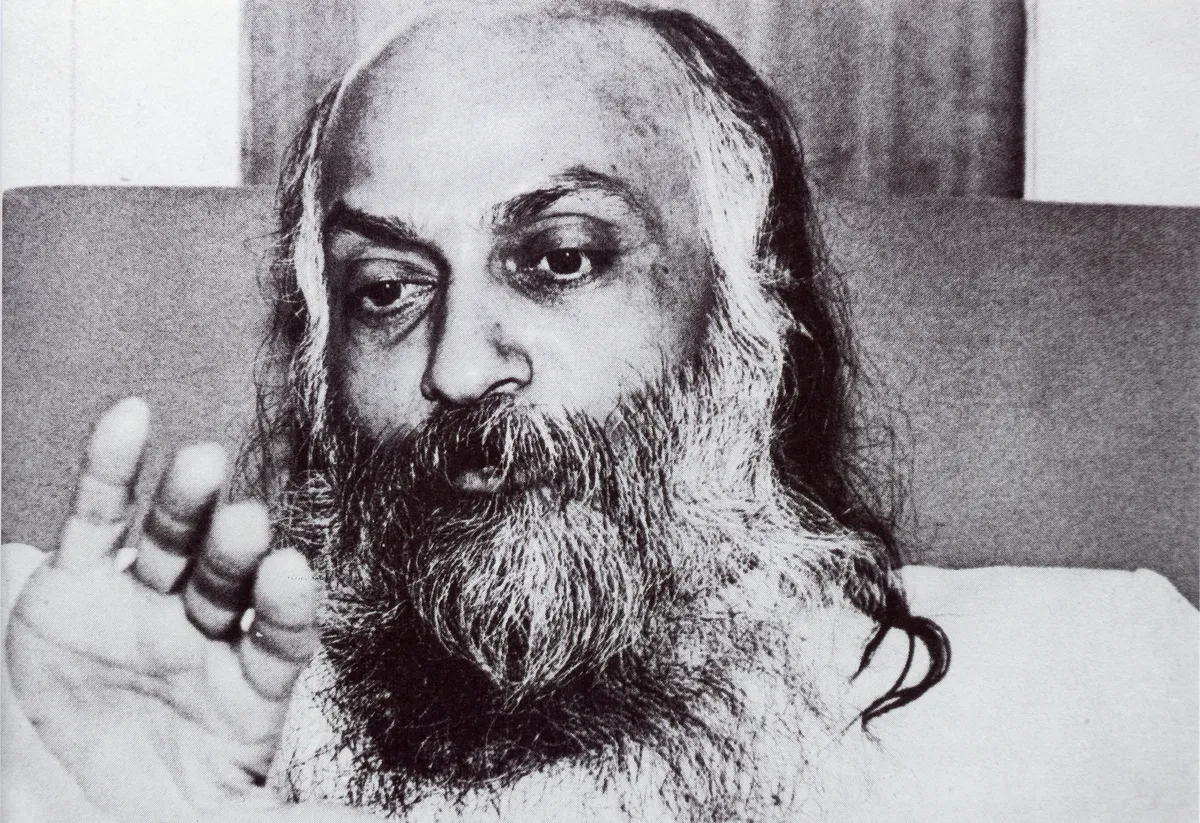
Osho's perspective on Divine Will
When Osho Spoke About Divine Will
Passages from the discourses where this theme comes alive.
What is divine will, and how does it act through the surrendered individual?
This is an intellectual question. Futile. Rot. It arises in the intellect because the intellect cannot understand. Remember always, intellect is not intelligence. You cannot find more stupid a thing than intellect. Intellect is not intelligence. Intelligence is existential, intellect is borrowed. You don't know what divine will is, you don't know what a surrendered individual is -- hence, the question. The question is like this: if you have not known what light is and you ask, "When we bring light in the room, does it have to fight with darkness to destroy it? " Or, "When we bring light into the room, how much time does it take for darkness to leave the room?" The question is absurd because you know, stupid because you know. The question looks stupid because you know that darkness has no existence of its own. When you bring light in, it is not that…
Osho, in reference to the subject of offering to the divine, please explain what is the significance of will and surrender? What are the similarities and differences between will and surrender?
THE END is always the same, but the beginning differs, and all the differences belong always to the beginning. The nearer you reach, the less is the difference between paths. In the beginning will and surrender are diametrically opposed. Surrender means absolute will-lessness. You have no will of your own, you feel helpless, you feel you cannot do anything. You are so totally helpless that you cannot even say that will exists; the very concept of will is illusory. You have no will. Rather, on the contrary, you have destiny, not will, so you can only surrender. It is not that you surrender: rather, it is that you cannot do anything else. So surrender is not an act. Rather, it is a recognition. It is not an act! How can surrender be an act? How can you surrender? If you surrender, then how will you call it surrender when you…
A friend has asked: Osho, it is said that not even a leaf moves without God’s will. If that is true, then our whole life runs according to His will. Then the good and bad thoughts that arise in us, the good and bad actions that happen—are they also according to His will?! Then what is the purpose of sadhana? What meaning is there in changing oneself?
If this point truly lands, then sadhana has no further purpose. Sadhana has begun. If only this much occurs to you—that whatever is being done, God is doing it—then my sense of doership is finished. All of sadhana is only this: that my ego dissolve. Then He is doing the good, He is doing the bad. Then there is no question of good and bad at all. He is doing it—both are His doing. He gives suffering; He gives joy. Birth is His, death is His. Bondage His, liberation His. Then there is no question of me. There is no need for me to come in between. Then there is no need for sadhana—because sadhana has happened; it has begun. This very understanding becomes the supreme sadhana. This very insight cuts the root of life’s disease. For the whole disease is the ego, the notion that “I am doing.” This…
एक मित्र ने पूछा है कि ओशो, ऐसा कहा जाता है कि भगवान की इच्छा के बिना पत्ता भी नहीं हिलता। यदि यह बात सच है, तो हमारा सारा जीवन उनकी इच्छा के अनुसार ही चलता है। तो फिर हमें जो भले-बुरे विचार आते हैं, अच्छे-बुरे काम बनते हैं, वह भी उनकी ही इच्छा के अनुसार होता है! फिर तो साधना का भी क्या प्रयोजन है? फिर तो स्वयं को बदलने का भी क्या अर्थ है?
… अगर इतनी ही बात खयाल में आ जाए कि जो भी कर रहा है, वह भगवान कर रहा है, तो मेरा कर्तापन समाप्त हो गया। सारी साधना इतनी ही है कि मेरा अहंकार समाप्त हो जाए। फिर अच्छा भी वही कर रहा है, बुरा भी वही कर रहा है। फिर अच्छे-बुरे का कोई सवाल ही नहीं रहा। वही कर रहा है, दोनों वही कर रहा है। दुख वही दे रहा है, सुख वही दे रहा है। जन्म उसका, मृत्यु उसकी। बंधन उसका, मुक्ति उसकी। फिर मेरा कोई सवाल न रहा। मुझे बीच में आने की कोई जरूरत न रही। फिर साधना की कोई भी जरूरत नहीं है। क्योंकि साधना हो गई। शुरू हो गई। यह विचार ही परम साधना बन जाएगा। …
Osho, you have earlier said, “Live moment to moment, live in the present.” Now you are saying, “Return to the past.” What should we do?
So it is with the mind—there are ruts. The past means endless grooves. However much you understand, your intellect agrees, you make decisions, you resolve—at the moment of resolve you feel something is going to change. But not even an hour passes before your decision breaks. Then only self-condemnation is produced, nothing else. Your saints, your fakirs, your priests and pundits—most of the time they only succeed in producing self-condemnation in you, nothing else. Their words are logically correct. You cannot even say they are wrong; you have to admit they are right. In that admission you take a decision. But against what are you deciding? Inside are grooves carved since who knows when, deep tracks. Walking in them has become a habit. It is easy to walk in them. They will pull you again and again. The meaning of returning into the past is: these grooves must be erased.…
दूसरा प्रश्न: ओशो, आपने पहले कहा है, क्षण-क्षण जीयो, वर्तमान में जीओ। अब आप कह रहे हैं, अतीत में लौटो। हम क्या करें?
ठीक मन पर लीकें हैं। अतीत का अर्थ है, अनंत लीकें। तो आप कितनी ही बातें समझ लेते हैं; बुद्धि सहमत हो जाती है; निर्णय ले लेते हैं; संकल्प कर लेते हैं। और जब संकल्प करते हैं, तब सोचते हैं कि कुछ होने-जाने वाला है। घड़ी भी नहीं बीत पाती कि जो आपने निर्णय लिया था, वह टूट जाता है। और तब सिर्फ आत्मग्लानि पैदा होती है, और कुछ भी नहीं। आपके संत, आपके फकीर, आपके पंडित-पुरोहित, आप में सिर्फ आत्मग्लानि पैदा करवा पाते हैं और कुछ भी नहीं। क्योंकि उनकी बातें तो तर्कयुक्त हैं। आप भी कह नहीं सकते कि वे गलत कह रहे हैं। स्वीकार करना पड़ता है कि ठीक कह रहे हैं। उस स्वीकृति में आप निर्णय लेते हैं। लेकिन निर्णय किसके खिलाफ ले रहे हैं! न मालूम कितनी लंबी लकीरें भीतर हैं, गहरे खांचे हैं। उनमें चलने की आदत हो गई है। उनमें चलना सुगम है। …
Profound Quotes on Divine Will
Explore our structured collection of meaning-mapped quotes regarding Divine Will.