
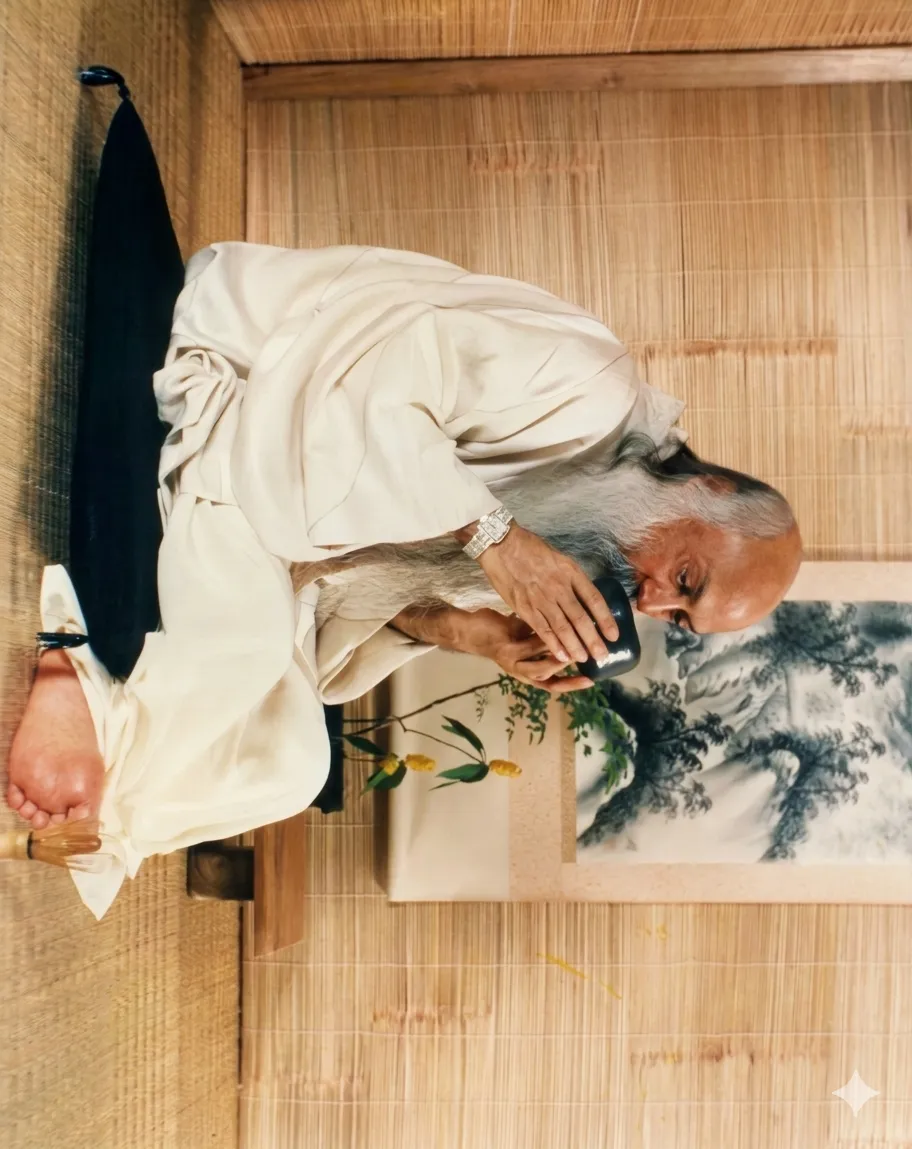
Osho's perspective on Code Words
When Osho Spoke About Code Words
Passages from the discourses where this theme comes alive.
Osho, why is it that Mahavira’s “Jin” has remained merely “Jain”?
And even the meanings we take from the scriptures require a great state of witnessing; only then will the flower of meaning bloom within you. Words you can get from scripture—but where will you get meaning? You will have to supply the meaning. A patient came to his doctor and said, “It’s very difficult; what you told me can’t be done.” The doctor said, “I didn’t tell you anything difficult. I only said: eat what your child eats. Where is the problem? For a few days, eat what your child eats; your body will come onto the right track.” He said, “I tried, but I couldn’t succeed.” The doctor said, “What nonsense! You couldn’t even do this much—that you eat what your child eats? If he drinks milk, drink milk. If he eats porridge, eat porridge. And eat in the same small quantity. You couldn’t even do that?” He said,…
तीसरा प्रश्न: ओशो, क्या कारण है कि महावीर का ‘जिन’ मात्र जैन बनकर रह गया?
फिर शास्त्रों से हम जो अर्थ लेते हैं, उस अर्थ के लिए भी बड़ी साक्षी भाव-दशा चाहिए, तो ही अर्थ का फूल तुम्हारे भीतर खिलेगा। शब्द तो मिल जाते हैं शास्त्र से, अर्थ कहां से लाओगे? अर्थ तो तुम्हें डालना होगा। एक रोगी ने अपने डॉक्टर से आकर कहा कि बड़ी कठिनाई है; जो आपने कहा था, हो नहीं पाता। डॉक्टर ने कहा कि मैंने ऐसी कोई कठिन बात तुमसे कही न थी। इतना ही तो कहा था कि जो तुम्हारा बच्चा खाता है, वही भोजन तुम लो। इसमें क्या अड़चन है? कुछ दिन तक जो तुम्हारा बच्चा लेता है, वही भोजन तुम लो, तो तुम्हारा शरीर ठीक रास्ते पर आ जायेगा। उसने कहा कि मैंने प्रयत्न तो किया, पर सफल न हो सका। डॉक्टर ने कहा, ‘क्या बेवकूफी है? इतनी-सी बात तुमसे न हो सकी कि तुम्हारा बच्चा जो खाता है वही तुम खाओ? दूध पीता है तो दूध पीओ। खिचड़ी खाता है तो खिचड़ी खाओ। और जितनी थोड़ी मात्रा में खाता है उतनी ही मात्रा में खाओ। …
Osho, Kastur Bhai has asked: Why did Mahavira speak in Prakrit and not in Sanskrit?
And I take one basic reason to be that Mahavira spoke in the language of the people. He likely had very little contact with pundits. It may be that thousands of pundits remained unfamiliar with what he was saying. For pundits have their own bourgeois snobbery, an aristocratic attitude; they are not common folk. They neither speak nor think in the language of the common. They are the extraordinary, the chosen few, and everything in their chosen world is apart from the ordinary. The common people are outside the mansion, outside the temple. Sometimes, out of pity, out of grace, they tell the common folk something—but the deep and serious discussion goes on inside the temple, where the illiterate and the ordinary are forbidden to enter. One of the greatest revolutions of Mahavira and Buddha is also this: they brought religion straight into the marketplace, right into the heart of…
प्रश्न: ओशो, कस्तूर भाई ने पूछा है कि महावीर प्राकृत भाषा में क्यों बोले, संस्कृत में क्यों नहीं?
और मैं उसके बुनियादी कारणों में एक कारण मानता हूं कि महावीर उस भाषा में बोल रहे हैं, जो जनता की है। पंडितों से शायद उनका बहुत कम संपर्क बन पाया। हो सकता है हजारों पंडित अपरिचित ही रहे हों कि यह आदमी क्या बोलता है! क्योंकि पंडितों का एक अपना बुर्जुआपन, एक अभिजात भाव है, वे साधारणजन नहीं हैं! न वे साधारणजन की भाषा में बोलते, न सोचते। वे असाधारणजन हैं! वे किसी चूजन-फ्यू, चुने हुए लोग हैं, उन चुने हुए लोगों की दुनिया का सब-कुछ न्यारा है! साधारणजन से उसका कुछ लेना-देना नहीं! साधारणजन तो भवन के बाहर हैं, मंदिर के बाहर हैं! …
Osho, how could the iconoclast Mahavira accept himself as the twenty-fourth Tirthankara of the most ancient Jina tradition? Please explain!
Within this revolutionary tradition, Mahavira is the most glorious, the most brilliant. Therefore his words are worth understanding and contemplating. He must have been uniquely revolutionary; for the Jainas have two sects—Digambara and Shvetambara. The Digambaras hold that not a single word of Mahavira remains, no scripture remains. That too is part of the revolution. They say, no scripture is Mahavira’s word. The words we have are from the Shvetambara compilations. The Digambaras have no compilations. It is astonishing that the Digambaras did not preserve! But that too belongs to their deep revolt: if you preserve words, today or tomorrow they become scripture; preserve them, and soon they become Veda. Hence the Digambaras did not preserve Mahavira’s words. It is an extraordinary rebellion against scripture. They revere Mahavira, but preserved no texts—only what was passed personally from master to disciple; they did not write it down. Therefore, for the Digambaras,…
पहला प्रश्न: ओशो, परंपरा-भंजक महावीर ने स्वयं को प्राचीनतम जिन-परंपरा का चौबीसवां तीर्थंकर क्योंकर स्वीकार किया होगा? कृपया समझाएं!
महावीर इस क्रांतिकारी परंपरा में सबसे ज्यादा महिमावान, सबसे बड़े मेधावी व्यक्ति हुए। इसलिए उनके शब्द समझने जैसे हैं, विचार करने जैसे हैं, क्रांतिकारी तो अनूठे रहे होंगे; क्योंकि जैनों के दो संप्रदाय हैं--दिगंबर और श्वेतांबर। दिगंबर तो मानते हैं, महावीर का कोई भी वचन बचा नहीं, कोई शास्त्र बचा नहीं। यह भी क्रांति का हिस्सा है। वे कहते हैं, कोई शास्त्र महावीर का वचन नहीं। ये जो वचन हैं, यह श्वेतांबरों के संग्रह से लिये गये हैं। दिगंबरों के पास कोई संग्रह नहीं है। यह बड़े आश्चर्य की बात है कि दिगंबरों ने बचाया क्यों नहीं! यह भी उसी गहरी क्रांति का हिस्सा है। क्योंकि अगर बचाओ शब्दों को, तो आज नहीं कल वे शास्त्र बन जाएंगे। बचाओ तो शास्त्र आज नहीं कल वेद बन जाएंगे। इसलिए दिगंबरों ने तो महावीर के वचन बचाए ही नहीं। …
Mahavira said: love! And if some devotee of Mahavira says that they will stone someone—it becomes a matter to ponder. Mahavira said: aparigraha, non-possessiveness! And if Mahavira’s devotees collect nothing but possessions—then it becomes a matter to ponder. Mahavira said: one’s own experience! And if someone makes Mahavira’s words themselves into Veda—it will be an error; it becomes a matter to ponder. Let me tell you: among the so-called followers of religion in the world, scarcely any are true disciples. Those whom you worship—you are their enemies; you are their adversaries! Nietzsche said a sentence: the first and the last Christian was hanged upon the cross—the first and the last Christian! He said: Christ was the first and the last Christian. After him, no Christian ever came to be. Let me remind you: after Mahavira, no Jain ever came to be.
महावीर ने कहा है, प्रेम! और अगर महावीर का कोई भक्त कहता हो कि हम किसी को पत्थर मारेंगे, तो विचारणीय हो जाएगा। और महावीर ने कहा है, अपरिग्रह! और महावीर के भक्तों के पास परिग्रह ही परिग्रह इकट्ठा हो, तो विचारणीय हो जाएगा। और महावीर ने कहा है, स्वयं का अनुभव! और कोई महावीर की वाणी को ही अगर वेद बना दे तो गलती हो जाएगी, तो विचारणीय हो जाएगा। मैं आपको कहूं कि दुनिया में इस धर्म के जितने मानने वाले हैं, उनमें से मुश्किल से कोई अनुयायी है। जिनकी आप पूजा करते हैं, उनके ही आप दुश्मन हैं, उनके ही आप शत्रु हैं! नीत्शे ने एक वचन कहा था। उसने कहा था, पहला और अंतिम क्रिश्चियन सूली पर लटका कर मार डाला गया--पहला और अंतिम क्रिश्चियन! उसने कहा था, क्राइस्ट पहला और अंतिम क्रिश्चियन था। उसके बाद कोई क्रिश्चियन नहीं हुआ। मैं आपको स्मरण दिलाऊं, महावीर के बाद भी कोई जैन नहीं हुआ।
What are the code words after Mahavira?
definitionProfound Quotes on Code Words
Explore our structured collection of meaning-mapped quotes regarding Code Words.