
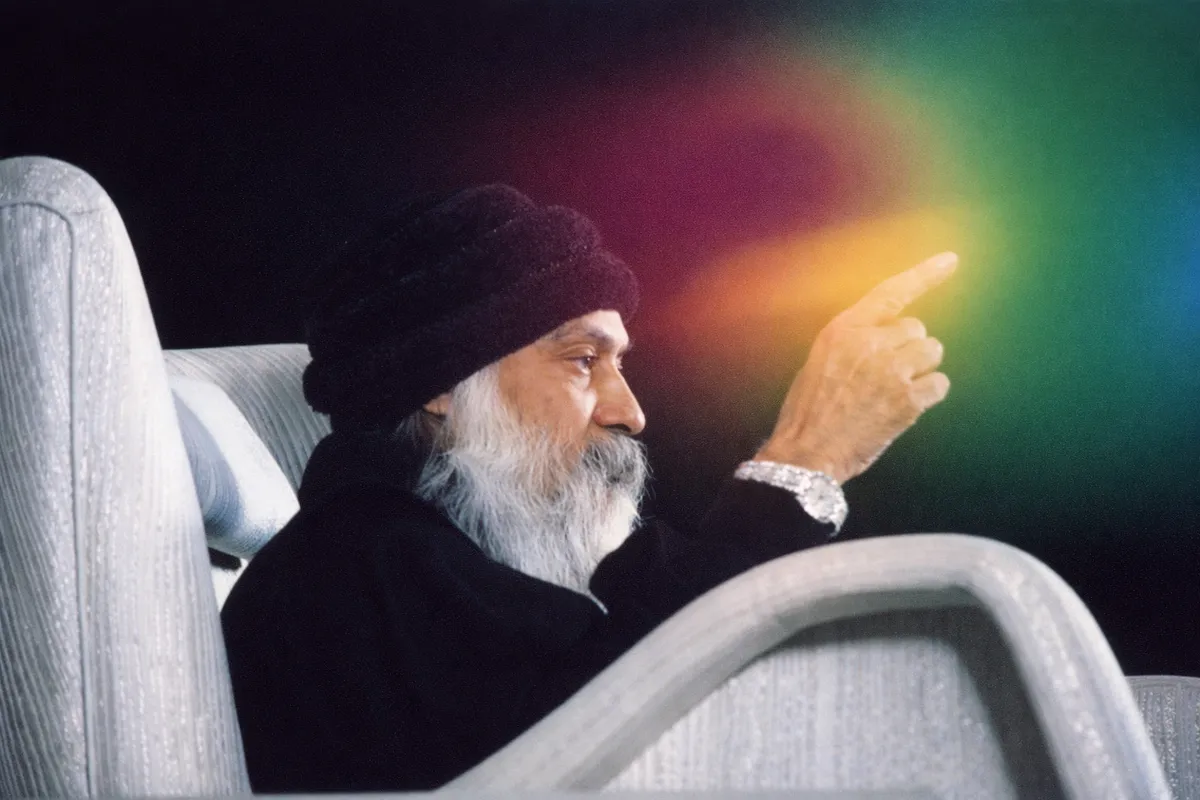
Osho's perspective on Bhog
When Osho Spoke About Bhog
Passages from the discourses where this theme comes alive.
Is it about moving forward? Yes, it is about moving forward. My emphasis is not on abandoning the previous step. The emphasis is on taking the next step; this is what I am calling bhog. Earlier the emphasis was on leaving the step you are standing on. That emphasis was on renunciation.
Very few people can be persuaded to leave the previous step. “Should we abandon even the step we’re standing on?” Yes—those who are in extreme misery on that step might agree to leave it. They say, “Nothing could be worse than this. Let’s drop it—whatever happens, happens.” A sick mind understands the language of renunciation; a healthy mind cannot. An old mind understands the language of renunciation; a young mind cannot. That is why I say that in the past five thousand years, whatever shape religion took ended up attracting the sick, the neurotic, the unbalanced, the old, the ill—people of that sort. This was the result of emphasizing the word “renunciation.” The healthy, the vibrant, the ones eager to live, did not go that way. They said, “When our thirst for life fades, we’ll see; right now we want to live.” I am saying: attract this living current. And…
प्रश्न: आगे बढ़ने पर है? हां, आगे बढ़ने पर है। जोर मेरा पिछली सीढ़ी छोड़ने पर नहीं है। एंफेसिस जो है, वह इस बात पर है कि अगली सीढ़ी पाओ, इसे मैं भोग कह रहा हूं। पिछली जो एंफेसिस थी, वह इस पर थी कि जिस सीढ़ी पर खड़े हो, उसे छोड़ो। वह एंफेसिस छोड़ने पर थी।
पिछली सीढ़ी छोड़ो, इसके लिए बहुत कम लोगों को राजी किया जा सकता है। क्योंकि जिस पर हम खड़े हैं, उसे भी छोड़ दें? हां, जो उस सीढ़ी पर अत्यंत दुख में हैं, शायद वे छोड़ने को राजी हो जाएं। वे कहें कि इससे बुरा तो कुछ भी नहीं हो सकता। इसे तो छोड़ ही देते हैं, फिर जो होगा, होगा। रुग्ण चित्त त्याग की भाषा को समझ लेगा, स्वस्थ चित्त त्याग की भाषा को नहीं समझ सकेगा। वृद्ध चित्त त्याग की भाषा को समझ लेगा, युवा चित्त त्याग की भाषा को नहीं समझ सकेगा। इसलिए मैं कह रहा हूं कि पिछले पांच हजार वर्षों में धर्म ने जो भी रूप-रेखा ली है, वह रुग्ण, न्यूरोटिक, विक्षिप्त, वृद्ध, बीमार--इस तरह के लोगों को आकर्षित करने का कारण बना। …
Osho, is there an inner harmony between “God,” “devotion,” and “bhog” (divine enjoyment)?
How could you even be without being joined to the Divine? Not for a moment, not for a single instant. If He breathes in you, breath goes on. If He shines as the sun, your body is warmed. If He moves as the winds, you receive life. If He comes as rain, your thirst is quenched. If He appears as food, you gain strength. Only when He comes in a thousand forms do you live at all. Severed from Him for even a moment, life ends. The very name of being joined to Him is “life.” Therefore the devotee says: there has been no breaking—talk of joining is mistaken. We are joined; now simply enjoy. The devotee says: you are joined and yet you do not enjoy—how insane! What are you waiting for? The celebration is already prepared. Everything is all-ready—how can you sit there sad? For whom are you…
पहला प्रश्न: ओशो, ‘भगवान’ ‘भक्ति’ और ‘भोग’ में क्या कुछ आंतरिक तारतम्य है?
तुम हो कैसे सकते हो बिना परमात्मा से जुड़े हुए? एक क्षण को भी न हो सकोगे, एक पल को भी न हो सकोगे। वही श्वास लेगा तो श्वास चलेगी। वही सूरज बन कर चमकेगा तो शरीर को उत्ताप मिलेगा। वही हवाओं में आएगा तो प्राण मिलेगा। वही वर्षा में आएगा तो प्यास बुझेगी। वही भोजन में आएगा तो शक्ति मिलेगी। वही हजार-हजार रूपों में आएगा तो ही तुम जी सकोगे। एक क्षण को भी उससे टूटे कि जीना समाप्त हुआ। उससे जुड़े होने का नाम ही तो जीवन है। इसलिए भक्त कहता है: टूटना तो हुआ ही नहीं, जोड़ने की बात ही गलत है। भक्त कहता है: जुड़े हैं, अब बस भोगना है। भक्त कहता है: तुम जुड़े हो और भोग नहीं रहे--कैसे पागल हो! किस बात की प्रतीक्षा कर रहे हो? उत्सव की पूरी तैयारी हो चुकी है। सब पूरा-पूरा तैयार है, तुम बैठे कैसे हो उदास? तुम राह किसकी देखते हो? जिसकी तुम राह देखते थे वह आ ही चुका है। वह तुम्हारे भीतर ही निनादित है। तुम किसे पुकार रहे हो? जिसने पुकारा है, वही तो तुम्हारी पुकार है। तुम किसे खोजने चले हो? …
Osho, yesterday you said that the journey of indulgence ultimately arrives at yoga. Please explain: does the journey of yoga, because of life’s circular motion, lead back again to indulgence? Is there no transcendence beyond bhoga and yoga? Please explain to us with reference to Ashtavakra.
The journey of indulgence leads to yoga if you don’t stop anywhere. It’s not guaranteed that you will arrive. If you get stuck at a copper mine, you’ll remain stuck with copper. I don’t say it surely leads you there—I say it can. Keep searching, don’t get stuck, don’t stop—go on, keep moving—and then the journey of indulgence can lead you to yoga. But if you get stuck in yoga—then the questioner has asked rightly—if you get stuck in yoga, you will fall back into indulgence. That’s why the yogi reaches heaven. Heaven means enjoyment. Having earned merit, you reach heaven and begin to spend it. This is why Jaina-Buddhist stories are so important. They say that when your merit is exhausted in heaven, you are thrown back again into the world. No one is liberated from heaven; liberation happens only from the human state. These points are very significant.…
चौथा प्रश्न: ओशो, कल आपने कहा कि भोग की यात्रा अंततः योग पर पहुंचा देती है। कृपा करके समझाइये, क्या योग की यात्रा जीवन की वर्तुलाकार गति के कारण पुनः भोग पर पहुंचा देती है? क्या भोग-योग से अतिक्रमण जैसा कुछ भी नहीं है? कृपा करके अष्टावक्र के संदर्भ में हमें समझाइए।
भोग की यात्रा योग पर पहुंचा देती है अगर रुके न कहीं। जरूरी नहीं कि पहुंच ही जाओ। अगर अटक गए तांबे की खदान पर तो तांबे पर अटके रहोगे। भोग की यात्रा पहुंचा देती है, ऐसा मैं नहीं कहता--पहुंचा सकती है। खोजे जाओ, अटको मत, रुको मत, बढ़े जाओ, चले जाओ--तो भोग की यात्रा पहुंचा देती है योग पर। फिर योग में अटक गये अगर--तो प्रश्नकर्ता ने ठीक बात पूछी है--अगर योग में अटक गए तो फिर भोग में गिर जाओगे। इसीलिए तो योगी स्वर्ग पहुंच जाता है। स्वर्ग यानी भोग। कमा लिया पुण्य, पहुंच गए स्वर्ग, खर्चा करने लगे। इसलिए तो जैन-बौद्ध कथाएं बड़ी महत्वपूर्ण हैं। जैन-बौद्ध कथाएं कहती हैं कि जब स्वर्ग में पुण्य चुक जाता है, फिर फेंक दिए जाते हैं, फिर संसार में। स्वर्ग से कोई मुक्त नहीं होता, मुक्त तो मनुष्य से ही होता है। ये बातें बड़ी महत्वपूर्ण हैं। इसका अर्थ यह हुआ कि अगर योग में अटक गए तो फिर भोग में गिरोगे। कितनी देर तक योग चलेगा! वर्तुलाकार है जीवन की गति। तो जैसा मैंने तुमसे कहा: भोग में मत अटकना तो योग। …
Osho, in the classical tradition the sannyasin turns away from māyā and sensual enjoyment and orients himself toward God-realization; yoga and bhoga are known to be mutually opposed. But in your sannyas there is no emphasis on dispassion from enjoyment. Therefore, kindly clarify your conception of sannyas!
So first thing: religion is not tradition. Religion is ever ancient and ever new. It is a paradox. It has always been—and yet each time it must be discovered anew. When the sun of religion rises, it is private, personal, not collective. It does not become society’s property or legacy. If you do not trust Buddha, Buddha has no way to make you trust. Have you thought about this? If you say, “We doubt you: you claim God-experience, but how are we to believe it?” Buddha will shrug his shoulders: “What can be done? What happened is private, personal. There is no way to spread it out on the table before you. It happened within; there is no device to bring it out. It happened so deep that it cannot be exhibited for all to see.” That is why there have been so many perfectly awakened ones, yet atheism has…
दूसरा प्रश्न: ओशो, शास्त्रीय परंपरा से संन्यासी माया और काम-भोग से विमुख होकर प्रभु-प्राप्ति के लिए उन्मुख होता है; योग और भोग परस्पर विरोधी जाने जाते हैं। लेकिन आपके संन्यास में भोग से विरक्ति पर जोर नहीं है। अतः कृपा कर अपने संन्यास की धारणा को स्पष्ट करें!
इसलिए पहली बात: धर्म परंपरा नहीं है। धर्म चिर-पुरातन, नित-नूतन है। यह विरोधाभास है। सदा से है, लेकिन फिर भी हर बार नया-नया खोजना पड़ता है। जब धर्म का सूर्योदय होता है तो वह निजी है, वैयक्तिक है, वह सामूहिक नहीं है। वह समाज की संपत्ति और थाती नहीं बनता। अगर तुम भरोसा न करो बुद्ध पर तो बुद्ध के पास कोई उपाय नहीं है तुम्हें भरोसा दिलाने का। कभी तुमने इस पर सोचा? अगर तुम कहो कि हमें शक है कि तुम झूठ बोल रहे हो, कि तुम्हें हुआ है परमात्मा का अनुभव, हम कैसे मानें? तो बुद्ध भी कंधे बिचकाकर रह जायेंगे; वे कहेंगे, अब क्या उपाय है! जो हुआ है वह निजी और वैयक्तिक है। …
What is the meaning of the term 'bhog'?
definitionProfound Quotes on Bhog
Explore our structured collection of meaning-mapped quotes regarding Bhog.