
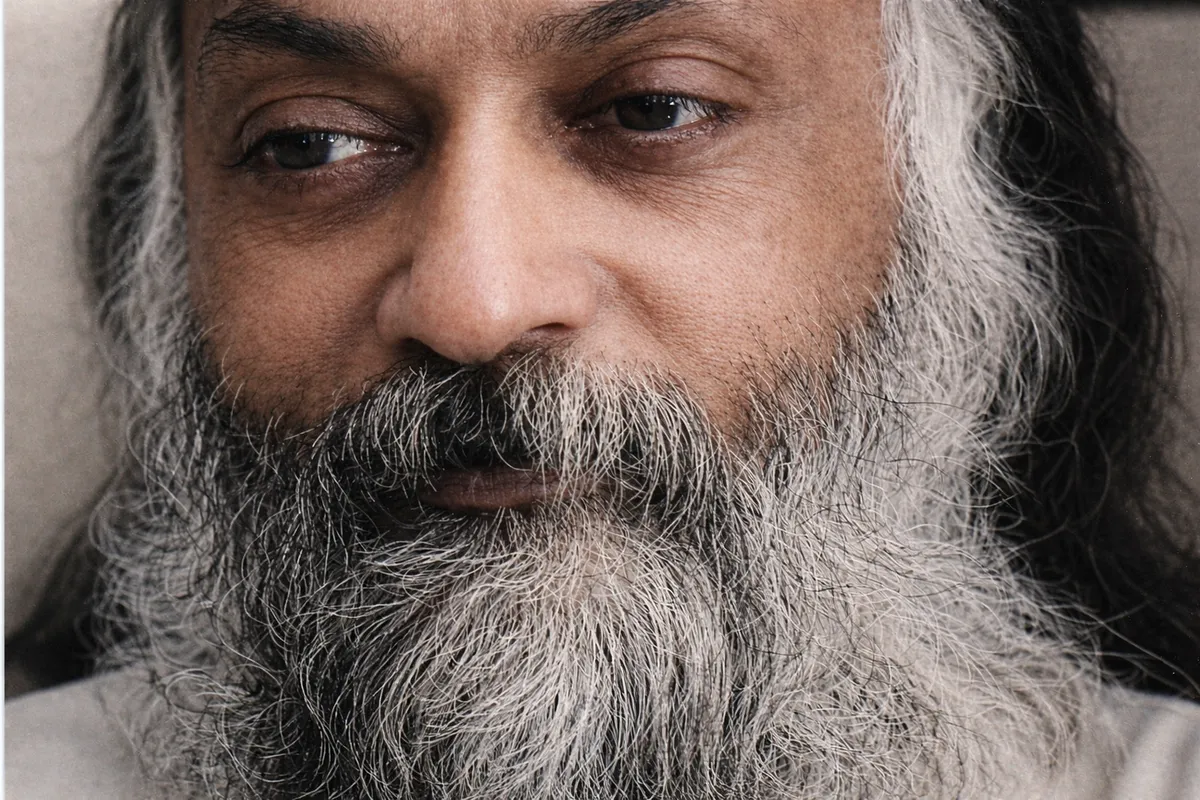
They give up life’s joys, feel miserable and unsure, and end up eating for comfort—so they get fat.
From the Discourses
Passages where Osho speaks to this question — each links to the complete discourse.
But you have asked: why then do mahatmas get fat?
There isn’t much difference between your mahatmas and your women. That’s why they fit together so well. Your mahatmas live by the support of your women. And your women have no other place to go, because everywhere else you are suspicious; only of the mahatmas you are not suspicious. A mahatma is a mahatma, after all. So you let your women go there. You won’t let them go to musicians, to dancers, to poets; you have left only one place—temples, mahatmas. Because you think the mahatma is an accomplished person, calling the world maya. So between your women and your mahatmas there is a rapport, a conspiracy. It is the women who keep your so‑called mahatmas alive and running. And your mahatmas are unhappy and your women are unhappy. And among the unhappy, sympathy is born. The unhappy rest their heads on each other’s shoulders and weep. Three friends were…
पर तुमने पूछा है कि फिर महात्मागण क्यों मोटे होते हैं?
तुम्हारे महात्माओं में और तुम्हारी स्त्रियों में बहुत भेद नहीं है। इसलिए दोनों में तालमेल भी बैठता है। तुम्हारे महात्मा तुम्हारी स्त्रियों के सहारे ही जी रहे हैं। और तुम्हारी स्त्रियों के लिए और कहीं कोई जगह नहीं है जाने की, क्योंकि और जगह तो तुम्हें शक-संदेह है, एक महात्माओं पर भर नहीं तुम्हें शक-संदेह होता। महात्मा तो महात्मा हैं। सो वहां तुम स्त्रियों को जाने देते हो। संगीतज्ञों के पास जाने नहीं दोगे, नर्तकों के पास जाने नहीं दोगे, कवियों के पास जाने नहीं दोगे; बस एक जगह तुमने छोड़ रखी है--मंदिर, महात्मा। क्योंकि तुम सोचते हो कि महात्मा तो पहुंचे हुए व्यक्ति हैं, संसार को माया कह रहे हैं। तो तुम्हारी स्त्रियों में और तुम्हारे महात्माओं में एक तालमेल है, एक षड्यंत्र है। स्त्रियां ही तुम्हारे तथाकथित महात्माओं को जिलाए हैं, चला रही हैं। और तुम्हारे महात्मा भी दुखी हैं और तुम्हारी स्त्रियां भी दुखी हैं। और दुखियों में सहानुभूति पैदा हो जाती है। दुखी एक-दूसरे के कंधे पर सिर रख कर रोने लगते हैं।
Osho, I am worn out from practicing religion—vows, fasts, yama and niyama—I’ve tried them all and found nothing. What should I do now? I have come to your refuge to ask this.
So sometimes fasting is useful. But fasting is not a way of life. Otherwise you are choosing slow suicide; you begin enjoying torturing yourself; you turn perverse and violent toward yourself. Such fasting is abuse—self-abuse—and no one can protect you from it. And your mute body already suffers so much at your hands. Do not imagine this abuse will bring you religion. Yes, the body will dry and wither—but do not fall into the delusion that the lotus of the soul blooms because the body withers. There is no necessary connection. So all that you did—yamas and niyamas, vows and fasts—each has its own value in its own place. But when you take them as synonyms for religion, Dayanand, you go astray. They are not synonyms. Religion has only one synonym—meditation. Mahavira used an exact word for it: samayik. The Jains call the soul “samay”—the timeless time. Samayik means: abiding…
पहला प्रश्न: ओशो, मैं धर्म करते-करते थक गया हूं; व्रत-उपवास, यम-नियम सब कर देखे, पर पाया कुछ भी नहीं। अब क्या करूं, यह पूछने आपकी शरण आया हूं।
तो कभी-कभी उपवास उपयोगी है। लेकिन उपवास कोई जीवन की शैली नहीं है। तब तो तुम भूखे मरने लगे। तब तो तुमने एक तरह का आत्मघात चुन लिया। तब तो तुम अपने को सताने में मजा लेने लगे। तब तो तुम दुष्ट प्रकृति के हो, हिंसक हो। तुम्हारा उपवास तब अनाचार है--अपने ऊपर ही अनाचार है। इसलिए कोई रक्षा भी नहीं कर सकता। और मूक देह पर तुम वैसे ही बहुत अनाचार करते हो। इस अनाचार से कोई तुम धर्म को उपलब्ध हो जाओगे, ऐसा मत समझ लेना। हां, शरीर सूख जाएगा, कुम्हला जाएगा। शरीर के कुम्हला जाने से कोई आत्मा का कमल खिल जाता है, इस भ्रांति में मत पड़ना। इन दोनों का कोई अनिवार्य संबंध नहीं है। तो तुमने जो भी किया, यम-नियम, व्रत-उपवास, सब अपना मूल्य रखते हैं--अपनी जगह। लेकिन जब तुम इनको धर्म का पर्यायवाची मान लेते हो दयानंद, तब भूल हो जाती है। ये धर्म के पर्यायवाची नहीं हैं। धर्म का तो सिर्फ एक ही पर्यायवाची है--वह ध्यान है। महावीर ने उसके लिए ठीक शब्द उपयोग किया--‘सामायिक।’ महावीर आत्मा को समय कहते हैं। …
Osho, once sannyas was crowned with the glory of life. Today it has become synonymous with death. How did sannyas become synonymous with death? Please explain.
Narendra! Sannyas has always been life, celebration—but the sannyas of Buddha, Krishna, Mahavira, Kabir. Followers, the crowd of the blind who trail behind, they turn everything upside down. There is a psychological reason behind that inversion; if you understand it, everything will become clear. Mahavira, for instance, fasted—he fasted a great deal. It is said that in the long twelve years of austerity he took food only three hundred and sixty-five days—meaning one year in all. On average he fasted eleven days, then ate on the twelfth: eleven days fast, one day food. Naturally people saw that by fasting and fasting and fasting, one day Mahavira attained the supreme light. People can only see the outside. Who has an eye to look into Mahavira’s within? Whoever can look into Mahavira’s within has himself become a Mahavira. He has no need then to peep into Mahavira; if he can look within…
तीसरा प्रश्न: ओशो, कभी संन्यास जीवन की महिमा से मंडित था। आज वह मृत्यु का पर्यायवाची है। संन्यास मृत्यु का पर्यायवाची कैसे बन गया? कृपा करके समझाएं।
नरेंद्र! संन्यास तो सदा जीवन रहा, उत्सव रहा--लेकिन बुद्ध का, कृष्ण का, महावीर का, कबीर का। अनुयायी, पीछे चलने वाले लोग, अंधों की भीड़, वह तो सब चीजों को उलटा कर लेती है। उसके उलटा कर लेने के पीछे एक वैज्ञानिक कारण है, वह तुम्हें समझ में आ जाए, तो सब समझ में आ जाएगा। जैसे महावीर ने उपवास किए, खूब उपवास किए। कहते हैं, बारह वर्षों की लंबी तपश्चर्या में उन्होंने केवल तीन सौ पैंसठ दिन भोजन किया। मतलब एक वर्ष। औसतन हर बारह दिन उपवास किया और एक दिन भोजन किया। ग्यारह दिन उपवास, एक दिन भोजन--ऐसा अनुपात। स्वभावतः लोगों ने देखा कि महावीर ऐसा उपवास करते-करते-करते एक दिन परम प्रकाश को उपलब्ध हो गए। और लोग तो बाहर की बात ही देख सकते हैं। …
Osho, many mahatmas, sadhus and monks steal your words and speak as if they were their own. Isn’t it necessary to stop them in time?
But in my ashram, if one is not creative, there is no place for him. And your so-called mahatmas and munis—what creativity do they have? I tell them: surely a place can be made here, but here you will have to do something. Here you cannot sit and take service. Some sannyasins make clothes, some make furniture, some make shoes, some make other things. What can you do? They say, “We can’t do anything—because we have been sannyasins for thirty or forty years; we have done nothing. We know only one thing—taking service.” What will I do with them here? They say, “We will sit, meditate, do bhajan-kirtan.” Just sitting and bhajan-kirtan will not do anything. Here you have to live life. Jain munis write, news comes that they can come, leaving everything—and not a few but in large numbers—because they are fed up, bored. But then, “Where shall we…
दूसरा प्रश्न: ओशो, कई महात्मागण, साधु और मुनि आपकी बातें चुरा कर इस भांति बोलते हैं कि जैसे उन्हीं की हों। क्या इन्हें समय रहते रोकना आवश्यक नहीं है?
और मेरे आश्रम में, सृजनात्मक अगर नहीं है कोई, तो उसके लिए कोई जगह नहीं है। और तुम्हारे तथाकथित महात्मा और मुनिगण, उनमें क्या सृजन है? उनको मैं कहता हूं कि जरूर यहां जगह बन सकती है, मगर यहां कुछ करना होगा। यहां बैठ कर सेवा नहीं ली जा सकती। कुछ संन्यासी कपड़े बनाते हैं, कुछ संन्यासी फर्नीचर बनाते हैं, कुछ संन्यासी जूते बनाते हैं, कुछ संन्यासी कुछ और बनाते हैं। आप क्या कर सकते हैं? वे बेचारे कहते हैं, हम कर तो कुछ भी नहीं सकते, क्योंकि हम तो तीस साल से संन्यासी हैं, चालीस साल से संन्यासी हैं, हमने कुछ किया ही नहीं। हम तो एक ही काम जानते हैं--सेवा लेना। तो उनको लेकर मैं यहां क्या करूंगा? वे कहते हैं, हम तो बैठेंगे, ध्यान करेंगे, भजन-कीर्तन करेंगे। सिर्फ बैठने और भजन-कीर्तन से कुछ भी नहीं होगा। यहां तो जीवन जीना पड़ेगा।
Osho, is it possible that by attaining your state of consciousness a person could remain perfectly, physically healthy? Or is that not possible—that such is the law of Tao? Because I have heard that all true masters have been physically unwell.
Ramakrishna said, “Sharada, you do not listen. The day you bring the plate and I turn over in bed to the other side and do not look at your plate, understand that only three days of my life remain.” Sharada thought he was joking. But that is exactly what happened. One day Sharada entered his room with the food. Ramakrishna neither rose from the bed nor took any interest; instead, he turned his face toward the wall. The plate slipped from Sharada’s hand. She remembered what Ramakrishna had said years before. Ramakrishna said, “Whether the plate falls or not, nothing will change now. I am here only three more days. And today I will tell you—because you used to ask again and again and I kept silent—today I tell you that all my bonds with the body have broken. Somehow I have been holding on to a tiny bond—the bond…
प्रश्न: ओशो, क्या यह संभव है कि कोई व्यक्ति आपकी चेतना-दशा को उपलब्ध करके शारीरिक रूप से पूर्ण स्वस्थ रह सके? या कि यह संभव नहीं है, ऐसा ताओ का नियम है? क्योंकि मैंने सुना है कि सभी सदगुरु शारीरिक रूप से अस्वस्थ रहे हैं।
रामकृष्ण ने कहा: शारदा, तू मानती नहीं। जिस दिन तू थाली लेकर आएगी और मैं अपने बिस्तर पर करवट बदल लूंगा दूसरी तरफ और तेरी थाली को नहीं देखूंगा, समझ लेना कि तीन दिन और बचे हैं मेरी जिंदगी के। शारदा समझी कि वे मजाक कर रहे हैं। लेकिन यही हुआ। एक दिन शारदा रामकृष्ण के कमरे में प्रविष्ट हुई भोजन लेकर। रामकृष्ण न तो बिस्तर से उठे, न उन्होंने भोजन में कोई उत्सुकता ली, वरन दीवाल की तरफ मुंह कर लिया। शारदा के हाथ से थाली गिर पड़ी। उसे याद आई वह बात जो वर्षों पहले रामकृष्ण ने कही थी। रामकृष्ण ने कहा: अब थाली के गिराने न गिराने से कुछ भी न होगा। बस तीन दिन और हूं। और आज तुझे कहता हूं, क्यों तू बार-बार पूछती थी और मैं चुपचाप रह जाता था। आज तुझे कहता हूं कि मेरे सारे बंधन शरीर से छूट गए हैं। किसी तरह एक छोटे से बंधन को, रस के बंधन को, भोजन के बंधन को पकड़े हुए हूं, ताकि जितनी देर इस घाट पर रुक सकूं, मेरे कुछ शिष्य जाग जाएं ताकि मैं निश्चिंत विदा हो सकूं। …