
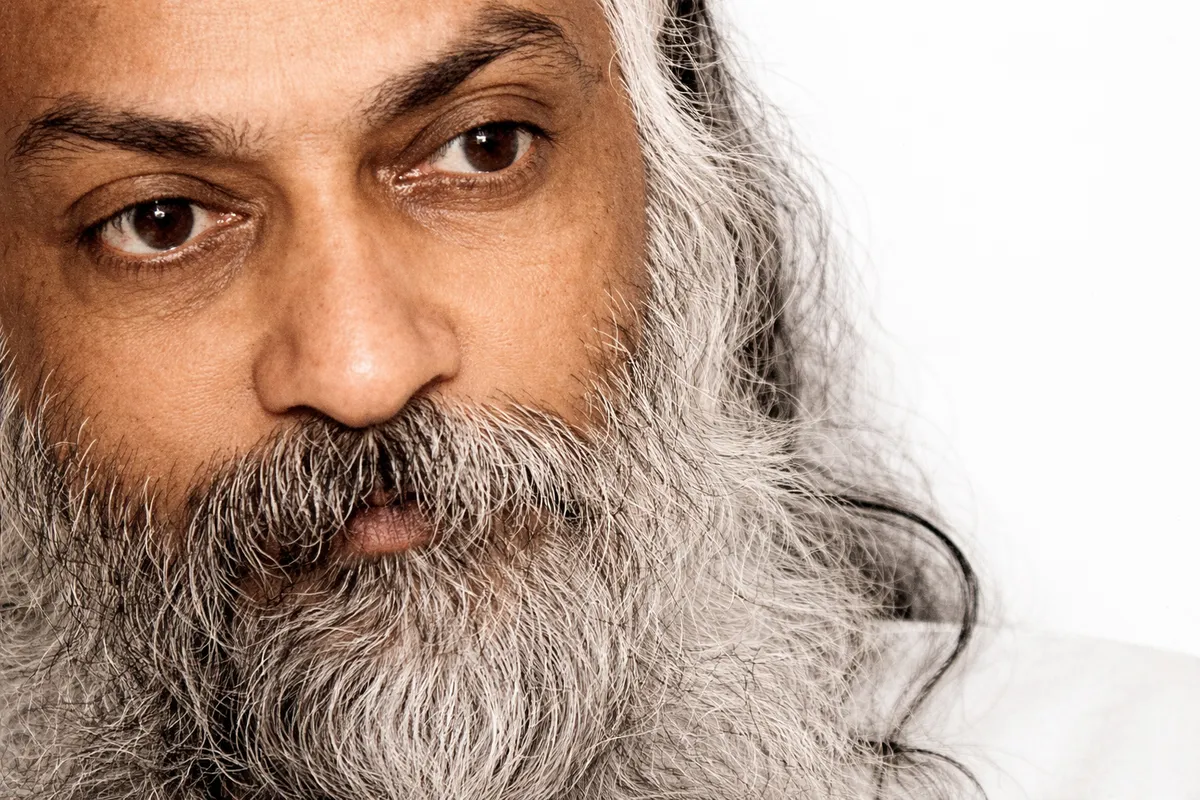
If your heart isn’t in it, following set prayers or rules is just pretending—you miss the real connection.
From the Discourses
Passages where Osho speaks to this question — each links to the complete discourse.
Why are you so much against rituals and rules?
BECAUSE THEY ARE NOT RELIGION, and they cannot be religion. I am against rituals, but that does not mean that a religious person cannot go into a ritual. But when a religious person goes into a ritual, it is not a ritual at all. His heart is in it; then his words have wings. So remember it: I am against the ritual when there is no heart in it. Then it is a ritual! But if there is a heart... just remember those three mystics, those three Russian mystics, praying to God: "You are three, we are three -- have mercy on us!" This too is a ritual, a simple one, of their own invention; this too is a prayer -- but their heart was in it. A famous story about Moses: He was passing through a forest. He saw a man praying. But the man who was praying was…
Osho, is it really true that even the devil cannot deceive the Marwaris?
Sahajanand! After hearing yesterday’s discourse, even Nasruddin got riled. I had said that even the devil cannot deceive a Marwari. So the mulla thought to himself: To hell with the Marwaris! Today I’ll trick a Marwari in such a way that her seven generations will remember it. It was dusk; the sun had set, and because of a power failure the street was dark. Nasruddin saw that the neighbor, the Marwari Seth Dhannalal’s new daughter-in-law, was coming along with a long veil drawn, a beautiful bag dangling from her hand. The mulla thought, A good chance—let me give this Marwari woman a taste today. He quickly got up and fell into step with her. Half past seven in the evening, the darkness, and then that long veil! The woman thought, My husband has come. She said, Listen, dear, I feel like having a Coca-Cola. The mulla understood she was taking…
आखिरी प्रश्न: ओशो, क्या सच ही मारवाड़ियों को शैतान भी धोखा नहीं दे सकता है?
सहजानंद! कल का प्रवचन सुन कर नसरुद्दीन को भी ताव आ गया। मैंने कहा था कि मारवाड़ी को शैतान भी धोखा नहीं दे सकता। सो मुल्ला ने मन ही मन सोचा: ऐसी की तैसी मारवाड़ियों की! आज ही किसी मारवाड़ी को ऐसा चकमा दूंगा कि उसकी सात पीढ़ियों तक को याद रहेगा। सांझ का समय था, सूरज ढल चुका था और बिजली की खराबी के कारण सड़क पर अंधेरा था। नसरुद्दीन ने देखा कि एक लंबा घूंघट काढ़े पड़ोस के ही मारवाड़ी सेठ धन्नालाल की नई बहू हाथ में एक खूबसूरत बैग लटकाए चली आ रही है। मुल्ला ने सोचा, अच्छा मौका है, इस मारवाड़िन को आज मजा चखाया जाए। वह जल्दी से उठा और उस स्त्री के साथ हो लिया। साढ़े सात बजे शाम का अंधेरा और फिर लंबा घूंघट! स्त्री ने सोचा कि मेरे पतिदेव आ गए। वह बोली: सुनो जी, मुझे तो कोकाकोला पीने की इच्छा हो रही है।
Osho, you said religion is sadhana, not ritual. But many of the very things Saraha would call ritual—such as bhajan and kirtan—have become parts of practice in your ashram and elsewhere. Kindly explain.
And that priest who blows the conch in the temple, and the adhan that rises from the mosque—there is no real difference. If there is soul in the conch’s sound and soul in the adhan, they are two styles of the same call. The priest’s way of calling in the temple is to ring the bell and blow the conch; in the mosque, instead of bells there is the adhan. It is the same call. The essential question is: from whom does the call arise? Is it truly his, or is he parroting someone else? Does the voice issue from him, is it his own? Are his life-breath and being in it? If not, it is all futile. Then you can buy plastic flowers in the market, place them in the window; perhaps the neighbors will be fooled. Mulla Nasruddin watered the flowers in his window every day. The neighbors…
पहला प्रश्न: ओशो, आपने कहा धर्म साधना है, क्रिया-कांड नहीं। लेकिन जिन्हें सरहपा क्रिया-कांड कहेंगे, उनमें से अनेक, जैसे भजन-कीर्तन, अपने आश्रम में और अन्यत्र भी, साधना के अंग बने हैं। कृपापूर्वक हमें समझायें।
एक लफ्जे हू, सदा करने के सौ अंदाज़ हैं। नालए-नाकूस है गोया अजाने-बरहमन।। और वह जो पुजारी शंख बजा रहा है, उसमें और मस्जिद में उठती अजान में जरा भी भेद नहीं है। वह जो मंदिर में शंख बज रहा है, अगर उसमें आत्मा हो और जो मस्जिद में अजान उठ रही है अगर उसमें आत्मा हो, तो ये एक ही पुकार के दो अलग अंदाज हैं, एक ही पुकार की दो अलग तर्जें हैं, दो शैलियां हैं। पुजारी का ढंग है अजान पढ़ने का मंदिर में घंटियां बजाना। मस्जिद में घंटियों की जगह अजान हो रही है। वह भी उसी की पुकार है असली बात एक है खयाल में रखने जैसी, कि जिससे पुकार उठी है, उसने सच पुकारा है या तोतों की तरह केवल पुनरुक्ति कर रहा है? आवाज उससे ही आई है, उसकी ही है, अपनी है? अपने प्राणों का संग-साथ है, सहयोग है? और अगर वह न हो तो फिर सब फिजूल है। फिर तुम बाजार से प्लास्टिक के फूल खरीद ला सकते हो। खिड़की में सजा ले सकते हो, पड़ोसियों को शायद धोखा भी हो जाएगा।
Osho, the Buddha gave his sannyasins minute and detailed rules regarding diet and daily routine, conduct and behavior—such as looking no farther than four cubits ahead, exactly how monks and nuns should relate to one another, what to eat, what to wear, where to go and where not to go, and so on. Why don’t you set such things for your sannyasins?
Buddha said that so that monks would not start asking. It is ugly if a Buddhist monk becomes a beggar. A monk is not a beggar. He is not asking for anything. If you give—good; if you don’t—good. He will only bless you. And if he starts asking, he becomes a burden. Suppose he stands before a poor man’s house and demands kheer; if the poor man cannot give, he suffers; if he does give, he is strained. Whatever dry bread the poor can offer—accept that. If he gives nothing, do not harbor ill will or complaint. That is why it was said. Buddha could not know that life is such that a kite might drop a piece of meat. That is an exception. No kite is going to drop meat every day. But now this Buddhist monk asked, “What shall I do? And you say: do not eat meat.”…
दूसरा प्रश्न: ओशो, बुद्ध ने अपने संन्यासियों को आहार-विहार, चर्या और आचरण के सूक्ष्म एवं सविस्तार नियम दिए। जैसे चार हाथ तक ही आगे देखना, भिक्षु-भिक्षुणी का आपस में व्यवहार किस ढंग का हो, क्या खाना, क्या पहनना, कहां जाना, कहां न जाना, आदि। आप अपने संन्यासियों के लिए ऐसा कुछ क्यों निश्चित नहीं करते?
यह बुद्ध ने इसलिए कहा कि नहीं तो लोग मांगते हैं। और बुद्ध का भिक्षु भिखारी हो जाए, भद्दा है। भिक्षु भिखारी नहीं है। वह कोई मांग नहीं रहा है। दे दो तो भला, न दो तो भला। वह आशीर्वाद ही देगा। और अगर वह मांगने लगे, तो फिर बोझ हो जाता है। किसी गरीब के घर के सामने खड़ा हो जाए, और खीर मांगने लगे, और गरीब न दे सके तो पीड़ा होती है। और दे तो कठिनाई हो जाती है। रूखा-सूखा जो गरीब दे दे, वही ले लेना। न दे, तो मन में कुछ बुराई मत लाना, विरोध मत लाना। इसलिए कहा था। बुद्ध को पता भी न था कि जिंदगी ऐसी है कि अब चील कहीं मांस का टुकड़ा गिरा दे। अपवाद है। कोई रोज चील मांस का टुकड़ा गिराएगी भी नहीं।
Osho, the siddhas Saraha and Tilopa have said that rites and rituals are not religion. Please tell us, according to them, what is religion? What is their message?
Chant it for five minutes and the siddhi will happen; then whatever you want you will get.” For this the man had served three years. People serve even to get the goodies, the reward. Now that the sweets were given, he left the fakir and ran home. As he was descending the temple steps, the fakir called out, “Listen, brother! I forgot one thing. While you chant the mantra for five minutes, remember: no thought of a monkey should arise.” The man said, “What nonsense! I haven’t thought of a monkey in all my life—why would it come now?” But he hadn’t even reached home when thoughts of monkeys began to appear. He scolded himself, “What am I doing?” But the monkeys kept multiplying; they peeped within, giggled and laughed, made faces! He was terrified: “If this was the condition, the foolish fakir should have kept quiet!” Not a single…
पहला प्रश्न: ओशो, सिद्ध सरहपा और तिलोपा यह तो बता गये कि क्रियाकांड और अनुष्ठान धर्म नहीं है। कृपया बतायें कि उनके अनुसार धर्म क्या है? उनका संदेश क्या है?
मगर ठीक से कोई मंत्र पढ़ ही नहीं पाता। मंत्र पढ़नेवाला और ठीक से पढ़ पाये, मंदबुद्धि है यह तो साफ ही है, नहीं तो मंत्र पढ़ने बैठता? अब ठीक से क्या पढ़ पायेगा? और फिर मंत्र में ऐसी शर्तें लगा दी जाती हैं...तुमने प्रसिद्ध कहानी सुनी है न? तिब्बती कहानी। एक आदमी एक फकीर की सेवा में था। बहुत सेवा की और पीछे पड़ा था: बस एक ही बात कि कोई एक मंत्र दे दो, कि उसके पढ़ते ही सिद्धि मिल जाये। कि फिर मैं जो चाहूं वही हो। कल्पवृक्ष मिल जाये, कि जो आशा हो तत्क्षण भर जाये। और उसकी सेवा तो ठीक थी, पैर भी दबाता था, पानी भी भर लाता था, रोटी भी पकाता था, लेकिन बार-बार यही प्रश्न। फकीर भी ऊब गया। उसने कहा कि ठीक, एक दिन...। तू नहीं मानता तो यह ले मंत्र। पांच मिनट इसे पढ़ लेना, सिद्धि हो जायेगी। फिर तुझे जो चाहिये वह मिल जायेगा। इसी के लिये तो वह आदमी तीन साल से सेवा कर रहा था। सेवा भी लोग मेवा पाने के लिये ही करते हैं। अब मेवा मिल गया तो छोड़ा फकीर को तो वह भागा अपने घर की तरफ। …