
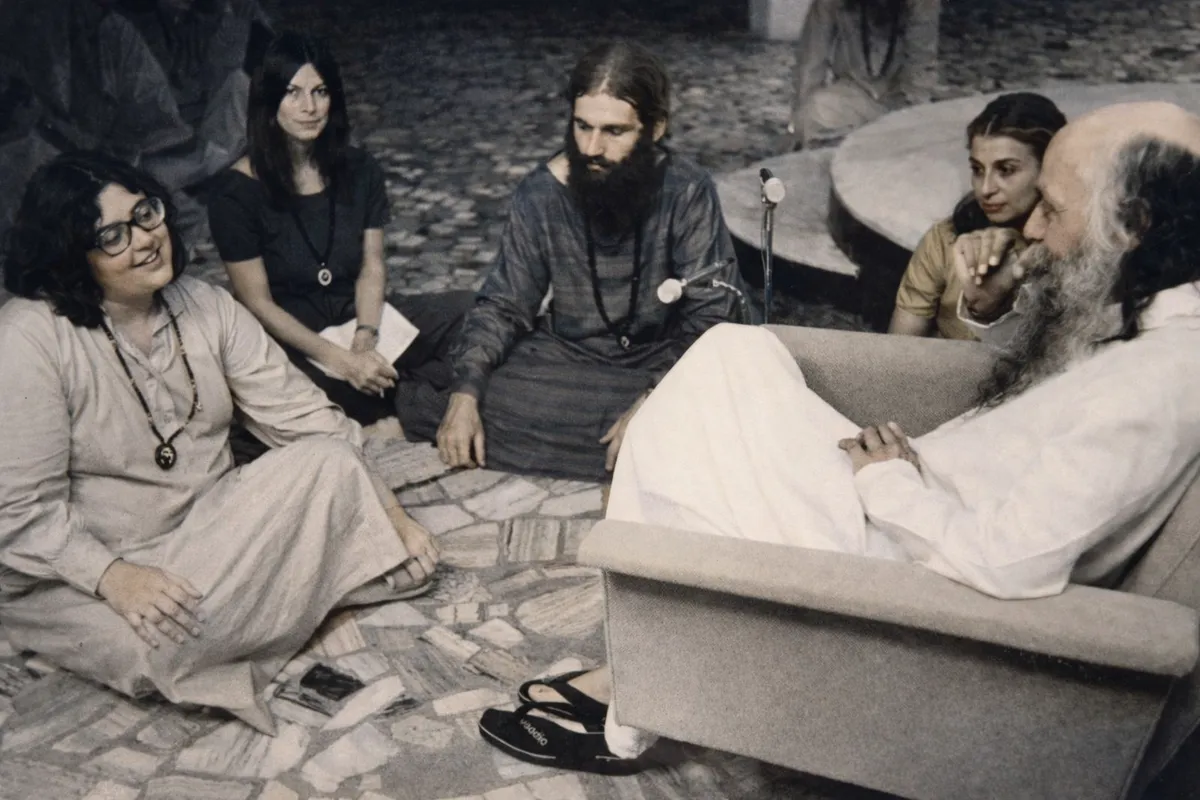
You start looking inside only after you truly feel that chasing wins and pleasures outside no longer works.
From the Discourses
Passages where Osho speaks to this question — each links to the complete discourse.
Osho, you say that desire moves outward; then what is it that leads one on the inner journey?
To be defeated in the world; to be defeated in lust; the failure of craving leads you to the divine, leads you inward. When a deep wound awakens in you—that life as you are living it is futile—then the excitement about the outer life drops. Understand this a little. I see many people who are eager for the inner life, but they have not been wounded; the outer life has not failed for them, yet they get interested in the inner. Then their so‑called inner life is only a part of the outer life; it is not inner life at all. Their temple too is just a corner of their shop. Their prayer is merely the opening line of their ledgers—“Shri Ganeshaya Namah.” The ledger begins with God. To keep the shop running smoothly they remember the Divine. By remembering God they make arrangements for hell. As far as I…
चौथा प्रश्न: ओशो, आप कहते हैं कि कामना बहिर्गामी है, फिर क्या है जो अंतर्यात्रा पर ले जाता है?
संसार में हार जाना; वासना में हार जाना; तृष्णा की असफलता परमात्मा में ले जाती है, अंतर्गमन में ले जाती है। जीवन जैसा तुम जी रहे हो, व्यर्थ है, इसकी प्रगाढ़ चोट जगा जाती है। फिर बाहर के जीवन में उत्सुकता नहीं रह जाती। इसे थोड़ा समझो। क्योंकि मैं देखता हूं, बहुत से लोग अंतर्जीवन में उत्सुक होते हैं, लेकिन चोट नहीं पड़ी है। बाहर का जीवन असफल नहीं हुआ है। और भीतर के जीवन में उत्सुक हो रहे हैं। तो उनका भीतर का जीवन भी बाहर के जीवन का ही एक हिस्सा होता है; भीतर का जीवन नहीं होता। उनका मंदिर भी दुकान का ही एक कोना होता है। उनकी प्रार्थना भी उनके बही-खातों का प्रारंभ होती है--श्री गणेशाय नमः। …
Understand it: when your stomach aches, you become aware of the stomach. When it does not, you never know you have one. When your head aches, you know you have a head; without pain, you never notice it. Wherever there is pain, that limb is felt. The wise have said: when there is pain in your consciousness you feel “I am.” When all pain is gone, there is no sense of “I.” That not‑knowing frightens—“I am not! Better keep hold of sorrow; at least the bank remains. Otherwise I’ll drown midstream!” Only when someone sees sorrow so thoroughly that he realizes “sorrow is me, my ‘I’ is woven of sorrow; without sorrow there is no ‘I’”—after such deep seeing, when such a one comes to a Sadguru, then “by even slight upadesha” a revolution happens.
… जब दर्द नहीं होता तो सिर का पता नहीं चलता। शरीर में कहीं भी पीड़ा हो तो उस अंग का पता चलता है। ज्ञानियों ने कहा है: जब तुम्हारी चेतना में पीड़ा होती है तो तुम्हें पता चलता है कि मैं हूं। और जब सब संताप मिट जाता है, कोई पीड़ा नहीं रह जाती, तो पता ही नहीं चलता कि मैं हूं। वह जो न पता चलना है, वह घबराता है--‘मैं नहीं हूं! तो इससे तो दुख को ही पकड़े रहो; दुख के किनारे को ही पकड़े रहो। …
Osho, the journey so far has been hard, but with your hint and support I have passed through it. I feel blessed to have received what I had never even imagined! Whatever I experienced, I kept explaining to others as well. But the journey ahead seems not only difficult, it feels absolutely impossible. You say, “You are at the destination; drop the very idea of journey.” It seems somewhat understandable, yet the resolution doesn’t stay. Osho, why does this complaint arise? Am I expecting the impossible before its time? Is waiting an even harder practice than practice itself? Osho, what is this r
You get a glimpse that the teaching is right; but the ancient mind won’t let the glimpse stay. It protests, “How can this be right? What will happen to me? Where will I go? If you are already God, then what is the point of religion? What meaning has practice? If you are God, then who is saint and who sinner? Who is Ravana and who Rama?” The mind creates a thousand disturbances. “Then what difference between a drunkard and a devotee—if all are God?” It becomes hard to answer such questions. And the truth is: between saint and sinner there is no difference—only on the surface, in the mind; within, the same One resides. Between Rama and Ravana there is no difference. Have you ever gone behind the stage of a Ramlila? There the reality is revealed. The curtain lifts: Rama and Ravana stand with bows and arrows aimed,…
पहला प्रश्न: ओशो, अब तक की यात्रा कठिन रही, लेकिन आपके इशारे से और सहारे से उससे गुजर चुका। जो कभी सोचा भी न था, उसे पाकर धन्यभागी हूं! जो भी अनुभव में आया, उसे अब तक दूसरों को भी समझाता रहा। लेकिन आगे की यात्रा सिर्फ कठिन ही नहीं, बल्कि बिलकुल असंभव लगती है। आप तो कहते हैं, तुम मंजिल पर हो; यह यात्रा का खयाल ही छोड़ दो। बात कुछ समझ में आती सी लगती है, फिर भी समाधान टिकता नहीं। ओशो, यह शिकायत क्यों उठती है? क्या मैं समय के पूर्व असंभव की अपेक्षा कर रहा हूं? क्या प्रतीक्षा साधना से भी कठिन साधना है? ओशो, यह कैसी बेचैनी है?
एक झलक मिलती है तुम्हें कि बात ठीक। लेकिन यह जो पुराना मन है, यह उस झलक को टिकने नहीं देता। यह कहता है, बात ठीक कैसे हो सकती है? मेरा क्या होगा? मैं कहां जाऊं? और यह बात ठीक नहीं हो सकती; क्योंकि अगर तुम परमात्मा ही हो तो फिर धर्म का कोई प्रयोजन नहीं; फिर साधना का कोई अर्थ नहीं। अगर तुम परमात्मा ही हो तो फिर कौन है संत और कौन असंत; कौन पापी, कौन पुण्यात्मा; फिर कौन रावण और कौन राम? फिर मन हजार उपद्रव खड़े करता है। फिर तुम शराबी में और सत्संगी में क्या फर्क करोगे? अगर सभी परमात्मा हैं! और मन के इन प्रश्नों के उत्तर देना मुश्किल होने लगेगा। और सच्चाई यही है कि संत में और असंत में कोई फर्क नहीं है। फर्क ऊपर-ऊपर है, फर्क मन का है, भीतर एक ही विराजमान है। राम और रावण में कोई फर्क नहीं है।
Osho, you say, “As He wills, let us become mere instruments; whatever role in life we have been given, let us fulfill it.” But letting what happens happen—i.e., flowing along with the body, mind, and ego—gives rise to suffering. So should we keep applying the principle of instrumentality even in relation to the body, mind, and ego, and go on suffering? How do we solve the riddle between the principle of instrumentality and the continuous reality of suffering?
That supreme bliss is beyond both pleasure and pain. It is neither like night nor like day. It is twilight. The sun has set, night has not yet come; the light remains—very gentle, sweet, non-aggressive—that is twilight. Morning has come, the sun is not yet risen, the night has gone—such is the twilight. One who abides in that twilight—that is what we call prayer. That is why Hindus call their prayer sandhya. Sandhya means one who has stopped in between the dualities, who has found the truce between the two. Between pleasure and pain, love and hate, victory and defeat, night and day, life and death—one who has found the pact and stands in that concord. Seek that interval of conjunction. Krishna says, it is simple to find. If you cease to be the doer, you will find it instantly. It is only through your doer-ship that you keep missing.…
दूसरा प्रश्न: ओशो, आप कहते हैं, जो उसकी मर्जी, हम निमित्त-मात्र हो जाएं; जो भी जीवन में अभिनय मिला है, उसे हम पूरा करें। परंतु जो होता है, उसे होने देने से अर्थात शरीर, मन और अहंकार के साथ बहने से दुख उपजता है। तो क्या हम शरीर, मन और अहंकार के संबंध में भी निमित्त का सूत्र मानते रहें और दुख पाते रहें? निमित्त के सूत्र और दुख के सतत यथार्थ की पहेली को हम कैसे सुलझाएं?
वह परम आनंद सुख-दुख दोनों के पार है। वह न तो रात जैसा है, न दिन जैसा है। वह तो संध्याकाल है। सूरज जा चुका, रात अभी आई नहीं; रोशनी कायम है--बड़ी धीमी, मधुर, अनाक्रामक--वह संध्याकाल है। सुबह हुई, अभी सूरज आया नहीं, रात जा चुकी, ऐसा संध्याकाल है। उस संध्याकाल में जो ठहर गया, उसी को हम प्रार्थना करना कहते हैं। इसलिए हिंदू अपनी प्रार्थना को संध्या कहते हैं। संध्या का अर्थ है, द्वंद्व के बीच में जो ठहर गया; दो के बीच में जिसने संधि खोज ली। सुख-दुख, प्रेम-घृणा, जीत-हार, रात-दिन, जीवन-मृत्यु, सब दो के बीच में जिसने संधि खोज ली, और जो संधि में खड़ा हो गया। उस संधिकाल को खोजो। कृष्ण कहते हैं, सरल है खोज लेना। अगर तुम कर्ता न रह जाओ, तत्क्षण मिल जाएगा। तुम्हारे कर्ता होने से ही तुम चूकते चले जाते हो।
Osho, Sahjobai’s path is love, devotion, surrender, and worship of the guru. Then why does she begin to emphasize inwardness, the inner journey, and dispassion?
The guru is outside. But the outer guru is merely a ladder leading to the inner guru. When you lay yourself completely at the feet of the outer guru, open your eyes and you will find that the outer guru has bid you farewell. It was your outward mode of seeing that made the guru appear outside. Suddenly you find this music is resounding within. This is no one outside—someone within is speaking. I have heard: a fakir came to a mosque. Perhaps he was a little late; people were already dispersing. He said, “Brothers, the congregation is breaking up so quickly. Why such haste? Pray more slowly, more gently.” One man said, “You don’t blame yourself for coming late, and you blame the congregation. The Prophet has completed the prayer.” This is a story from Muhammad’s time. “The Prophet has completed the prayer. Now what is there to do,…
दूसरा प्रश्न: ओशो, सहजोबाई का मार्ग है प्रेम, भक्ति, समर्पण, गुरु-पूजा। फिर भी वह अंतर्मुखता, अंतर्यात्रा और वीतरागता पर जोर क्यों देने लगती है?
गुरु बाहर है। मगर जो बाहर गुरु है, वह भीतर के गुरु तक पहुंचाने की सीढ़ी मात्र है। जब तुम बाहर के गुरु के चरणों में अपने को बिलकुल छोड़ देते हो, आंख खोल कर देखते हो तुम पाते हो बाहर का गुरु तुम्हारे समर्पित होते ही विदा हो गया। वह तो तुम्हारे बाहर के देखने का ढंग ही था, इसलिए गुरु बाहर दिखाई पड़ता था। अचानक तुम पाते हो यह स्वर तो भीतर बज रहा है। यह तो कोई बाहर नहीं है, कोई भीतर बोल रहा है। मैंने सुना है, एक फकीर मस्जिद में पहुंचा। थोड़ी देर हो गई थी शायद उसे, लोग मस्जिद से विदा हो रहे थे। तो उसने कहा: भाइयो, इतनी जल्दी संगत उठ गई। इतनी जल्दी क्या है? प्रार्थना इतनी त्वरा से क्यों की गई? थोड़ी धीरे, आहिस्ता करते। …