
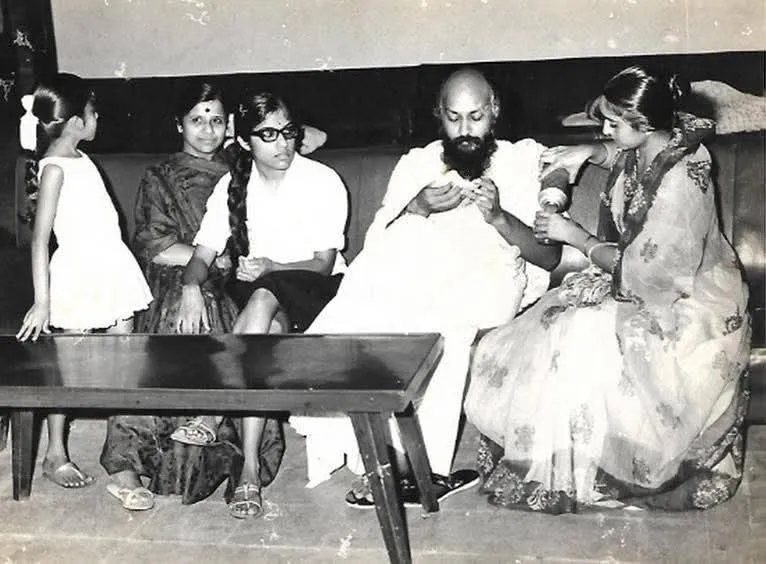
Throw out old rules that say some people are above others, and treat everyone as equal.
From the Discourses
Passages where Osho speaks to this question — each links to the complete discourse.
Another friend has asked: Osho, what is the relationship between the method of meditation and jati-smaran (recollection of past lives)?
But the one who becomes skilled in this—who can fully awaken any day’s memory up to the age of five—will find that the memories begin to awaken completely. And you should test it. As today passes, note down some events and lock them up. After two years, try to recall today. Most of it will have been forgotten. Then remember—and after remembering, break the lock and compare whether what you recalled matches what you had written. You will be amazed—astonished—that besides what you wrote, many more details have come back which you did not even note at the time. They will all be there in memory. Buddha called this alaya-vijnana. There is a corner of the human mind he called the storehouse of consciousness. Like a junk room in the house where we keep all the odds and ends, there is a storehouse that collects memories—where everything from birth after…
एक और मित्र ने पूछा है कि ओशो, ध्यान की विधि और जाति-स्मरण में क्या संबंध है?
लेकिन जो व्यक्ति इसमें समर्थ हो जाएगा, पांच वर्ष की उम्र तक की किसी भी दिन की स्मृति को पूरा जगाने लगेगा...और वह पूरी जगने लगती है। और फिर उसको इस तरह जांच कर लेनी चाहिए। जैसे आज का दिन गुजर रहा है, तो आज के दिन की कुछ बातें नोट करके ताले में बंद कर दें। दो साल बाद आज के दिन को याद करें। वह सब खो जाएगा आज का दिन। और तब स्मरण करें, और स्मरण करके फिर ताला तोड़ें, और फिर मेल करें कि वह बात मेल खा गई कि नहीं। और आप हैरान होंगे--आप हैरान होंगे कि जितनी आपने लिखी थीं, उससे बहुत ज्यादा बातें और भी याद आई हैं जो कि आप उस दिन भी नोट नहीं कर पाए थे। वे तो सब बातें याद आ ही जाएंगी। इसको बुद्ध ने नाम दिया है, आलय-विज्ञान। मनुष्य के मन का एक कोना है, जिसको उन्होंने आलय-विज्ञान कहा है। आलय-विज्ञान का मतलब होता है, स्टोर हाउस आफ कांशसनेस। जैसे घर में एक कबाड़खाना होता है, जहां हम सब बेकार हो गई चीजों को डालते चले जाते हैं। …
Osho, in your ashram people from many countries and many castes are dyed in the same color and engaged in all kinds of work. But isn’t this a new kind of varna system, a new kind of ashram system? The scientific system Maharshi Manu gave thousands of years ago may change in form, but its foundations can never be erased. Varna and ashram have always reappeared in new forms. In that sense your sannyasins are not new, nor is your ashram system new. Can you prove Maharshi Manu’s scientific system and the ashram system wrong?
Pandit Gyan Shankar Jha, try asking someone here whether he is brahmin, kshatriya, vaishya, or shudra—and then see how he treats you. A scuffle might break out. The question itself is inhuman. But in this country such inhuman questions are common. Asking someone’s caste, varna—bad manners. Yet people here even ask salaries: “What do you get paid?” They even ask, “And, anything under the table…?” And the fun is, the answerer responds without shame: “Yes, a little under the table too—God’s grace.” No shame in either. “Salary isn’t much, but there’s plenty on top, so we’re happy; the household runs fine.” No embarrassment to either party. But in this ashram be mindful what you ask. No indecency is tolerated. On what basis do you say, Pandit Gyan Shankar Jha, that the “scientific system” of Manu—its forms may change, but not its foundations? It has no foundation—baseless, forcibly imposed, artificial. Man…
दूसरा प्रश्न: ओशो, आपके आश्रम में कई देशों के, कई जातियों के लोग एक ही रंग में रंगे हैं और तरह-तरह के कामों में लगे हैं। लेकिन क्या यह एक नये प्रकार की वर्ण-व्यवस्था, एक नये प्रकार की आश्रम-व्यवस्था नहीं है? महर्षि मनु ने हजारों वर्ष पूर्व जो वैज्ञानिक व्यवस्था दी थी, उसके रूप तो बदल सकते हैं, लेकिन आधार कभी नहीं मिट सकते। वर्ण और आश्रम नये-नये रूपों में सदा प्रकट होते रहे हैं। इन अर्थों में आपके संन्यासी नये नहीं हैं और न ही आपकी आश्रम-व्यवस्था नयी है। क्या आप महर्षि मनु की वैज्ञानिक व्यवस्था और आश्रम-व्यवस्था को गलत सिद्ध कर सकते हैं?
पंडित ज्ञानशंकर झा, तुम यहां किसी से पूछना कि तुम ब्राह्मण हो, कि क्षत्रिय, कि वैश्य, कि शूद्र? और तब तुम्हें पता चलेगा। कुछ नहीं कहा जा सकता कि वह किस तरह का तुमसे व्यवहार करेगा। कुश्तमकुश्ती हो जाएगी। क्योंकि यह बात अमानवीय है। यह पूछना ही अमानवीय है। मगर इस देश में तो यह बिलकुल स्वाभाविक है। यहां तो एक से एक अमानवीय बातें पूछी जाती हैं। किसी से किसी की जाति पूछना, किसी से किसी का वर्ण पूछना अभद्रता है, अशिष्टाचार है। लेकिन यही नहीं, लोग तो यहां तनख्वाहें तक पूछते हैं कि आपको तनख्वाह क्या मिलती है? यही नहीं, यह भी पूछते हैं कि ऊपर भी कुछ...? और मजा यह है कि जवाब देने वाले भी जवाब देते हैं कि हां, थोड़ा-बहुत ऊपर भी मिल जाता है, सब भगवान की कृपा है। किसी को न लाज है, न संकोच है। लांच-घूस भी भगवान की कृपा है। लोग यह भी कहते हैं कि तनख्वाह तो ज्यादा नहीं, मगर ऊपर काफी मिल जाता है, इसलिए चित्त प्रसन्न है, सब ठीक-ठाक चल रहा है, घर-गृहस्थी की गाड़ी बड़े मजे में चल रही है। किसी को कोई संकोच नहीं। …
Osho, I have two small questions about yesterday’s talk. One friend asks: in light of what you said about the varna system, would it be appropriate, given today’s conditions, to bring that system back? And the second question is: you spoke about the ashramas and about the division by life-stage—sannyas comes in the fourth stage. Yet you are initiating very young people into sannyas; is that proper?
Yes, Vivekananda emphasized service because he came from a Shudra family, a Kayastha. He modeled the Ramakrishna Mission exactly after the Christian missionary pattern. Vivekananda brought the word “service” into India’s religious vocabulary; later Gandhi stressed it too. These are types. Outside a Brahmin’s imagination is the idea that pressing a Shudra’s feet will lead to Brahman. Outside a Shudra’s imagination is that closing the eyes and plunging into emptiness will lead to Brahman. Outside a Kshatriya’s imagination is that without fighting anything can be attained—not even Brahman. Outside a Vaishya’s imagination is that without wealth anything can be reached—not even religion. If a Vaishya reaches religion, it will be through wealth. These are types. And when I say it is a matter of types... Varna is not a question of low and high in society. Varna is the question of diversity of individuality. Therefore four kinds of people will…
प्रश्न: ओशो, कल की चर्चा पर दो छोटे प्रश्न हैं। एक मित्र पूछते हैं कि आपने वर्ण व्यवस्था के बारे में जो कहा, क्या आज वह व्यवस्था आज की स्थिति में उचित है उसे लाना? और दूसरा प्रश्न है कि आश्रमों की चर्चा आपने की और उम्र का भी विभाजन किया। संन्यास चौथी अवस्था में आता है, तो मित्र पूछते हैं कि आप बहुत छोटी उम्र के लोगों को भी संन्यास की दीक्षा दे रहे हैं, तो क्या वह उचित है?
हां, विवेकानंद ने जोर दिया, क्योंकि विवेकानंद शूद्र परिवार से आते हैं, कायस्थ हैं। इसलिए विवेकानंद ने रामकृष्ण मिशन को ठीक क्रिश्चियन मिशनरी के ढंग पर निर्मित किया। हिंदुस्तान में सेवा के शब्द को लाने वाला आदमी विवेकानंद है। फिर गांधी ने जोर दिया। यह टाइप की बात है। ब्राह्मण की कल्पना के बाहर है कि शूद्र के पैर दबाने से ब्रह्म कैसे मिल जाएगा! शूद्र की कल्पना के बाहर है कि आंख बंद करके शून्य में उतर जाने से ब्रह्म कैसे मिल जाएगा! क्षत्रिय की कल्पना के बाहर है कि बिना लड़े जब कुछ भी नहीं मिलता, तो ब्रह्म कैसे मिल जाएगा! वैश्य की कल्पना के बाहर है कि जब धन के बिना कुछ भी नहीं मिलता, तो धर्म कैसे मिल जाएगा! वैश्य अगर पहुंचेगा भी धर्म के पास, तो धन से ही पहुंचेगा। ये टाइप हैं। और जब मैं यह कह रहा हूं कि व्यक्तियों के टाइप का सवाल है.।
Osho, a question in continuation of the previous discussion. It is said that, according to qualities and actions, humanity was divided into four broad categories. Now, if a man born in a Shudra household is endowed with the marks of a Brahmin, should he perform his own prescribed duty, or would the path of knowledge and a Brahmin-like life be more beneficial for him? Please clarify.
And note this too: that fifty percent learned by age three is the foundation. It can never be changed. What is learned later is the structure built upon it; that can be altered. What can be altered is not the foundation. And if the foundation is altered, the child will become deranged. Therefore, if the varna system says that a child born in a Shudra home should strive to attain his destiny by the order and style of life of his own family, and a Brahmin child should seek by his own order and destiny, this is profoundly psychological. Because by age three half the learning is complete, and by thirteen or fourteen almost all learning is complete. You will be startled to know that during the last world war, when mental tests were conducted on graduates entering the U.S. military, the average mental age of those university graduates turned…
प्रश्न: ओशो, पिछली चर्चा के संबंध में एक प्रश्न है। कहा गया है, गुण और कर्म के अनुसार मानव के चार मोटे विभाग बनाए गए। अब यदि शूद्र घर में जन्म पाया हुआ आदमी ब्राह्मणों के लक्षणों से युक्त हो, तो उसे अपना निजी कर्तव्य निभाना चाहिए या ज्ञान-मार्ग और ब्राह्मण जैसा जीवन ही उसके लिए हितकर हो सकता है, कृपया इसे स्पष्ट करें।
और यह भी मजे की बात है कि यह जो पचास प्रतिशत तीन साल की उम्र में सीखा गया है, यह फाउंडेशन है, यह बुनियाद है। इसको अब कभी नहीं बदला जा सकता। बाद में जो सीखेगा, वह इसके ऊपर बनाया हुआ भवन है, जो बदला जा सकता है। जिसे बदला जा सकता है, वह बुनियाद नहीं है। और अगर इसकी बुनियाद बदली, तो यह बच्चा विक्षिप्त हो जाएगा। इसलिए अगर वर्ण की व्यवस्था यह कहती है कि शूद्र के घर में पैदा हुआ बच्चा अपने ही परिवार की व्यवस्था, अपने ही जीवन के ढंग से अपने जीवन की नियति को पाने के प्रयास में लगे; ब्राह्मण का बच्चा अपनी ही नियति से, अपनी व्यवस्था से अपनी खोज में लगे, तो बहुत मनोवैज्ञानिक है यह बात। क्योंकि तीन साल की उम्र में आधा ज्ञान पूरा हो जाता है। और तेरह-चौदह साल की उम्र तक सारा ज्ञान करीब-करीब पूरा हो जाता है। …