
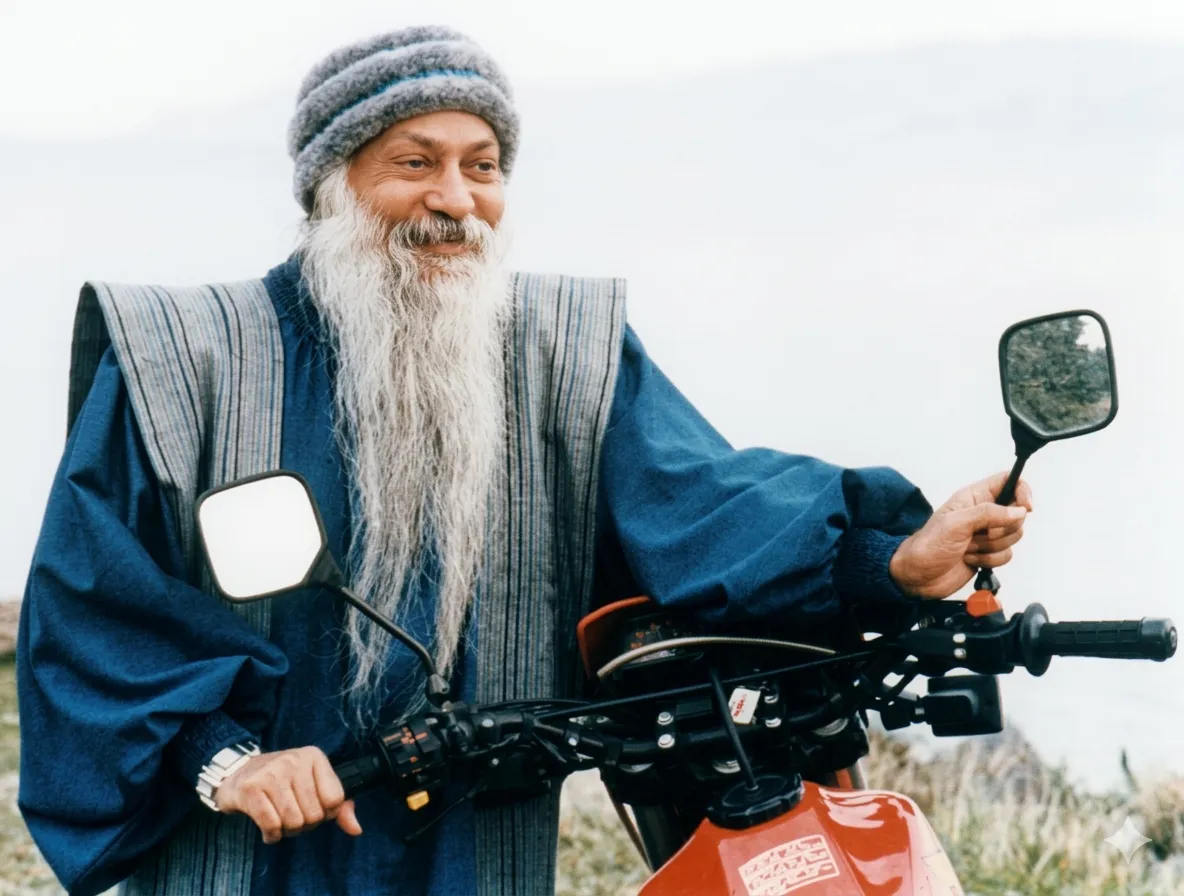
When people speak badly about a real teacher, it’s normal—stay kind and calm, because even hate can turn into love.
From the Discourses
Passages where Osho speaks to this question — each links to the complete discourse.
Osho, it has always been forbidden to listen to slander of the master. It is even said that if someone is slandering the master, one should even wash one’s ears. One rarely meets your lovers, but your detractors are found everywhere. We do not have the capacity to explain anything to them. In such frequently occurring situations, what should we do? Please make the way clear.
Those gurus who told you to wash your ears had two kinds of fear. Their big fear was that if someone slandered, you might agree after hearing it. They were afraid of that. I trust you. You have managed to come to me after hearing all that slander. You have already passed through those touchstones. You have heard all the abuses one could hear; now it is hard for anyone to invent a new abuse. If someone slanders, tell him: “Bring something new. I have heard this already—many times—and in spite of it I am connected with him. Bring some new slander, discover something, be inventive. Why are you repeating these old, hackneyed lines!” Those scriptures that prescribe, “Avoid slander; keep away…”—such scriptures were written by the weak. There are such texts in India—Hindus have them, Jains have them. In Hindu scriptures it is written: even if a mad elephant…
दूसरा प्रश्न: ओशो, गुरु की निंदा सुनने का हमेशा निषेध किया गया है। ऐसा भी कहा गया है कि यदि कोई गुरु की निंदा कर रहा हो तो कान भी धो डालना चाहिए। आपका प्रेमी तो कभी ही मिलता है; पर आपके निंदक हर जगह पर मिल जाते हैं। हमारी सामर्थ्य भी नहीं है कि हम उनको कुछ समझाएं। ऐसे बहुधा उपलब्ध मौकों पर हमें क्या करना चाहिए? कृपा करके मार्ग स्पष्ट करें।
जिन गुरुओं ने तुमसे कहा है कि कान धो डालना, उन्हें दो तरह के डर थे। बड़ा डर तो उन्हें यह था कि कहीं कोई निंदा करता हो तो तुम सुन-सुन कर उससे राजी न हो जाओ। उन्हें डर यह था। मुझे तुम पर भरोसा है। तुम मेरे पास आ ही सके हो उन सब निंदाओं को सुनने के बाद। वे कसौटियां तुम पूरी कर चुके हो। जितनी गालियां तुम सुन सकते थे, वे तुम सुन ही सके हो, अब नई गाली कोई शायद ही खोज पाए। कोई निंदा करता हो तो उससे कहना: कुछ नई निंदा करो, यह तो मैं सुन चुका हूं, यह तो बहुत बार सुन चुका हूं; इसके बावजूद भी उनसे जुड़ा हूं। कुछ नई निंदा करो, कुछ खोजो, कुछ आविष्कार करो। ये क्या पुरानी पिटी-पिटाई बातें दोहरा रहे हो!
Osho, you often say that this world is an echo point, from where we receive back exactly what we give it: love meets love and hatred meets hatred. If that is so, why were Buddha and Mahavira tortured; why were Jesus and Mansoor killed? And why are you receiving false allegations, slander, and abuse here? And can this world ever find people who offer more guileless love and blessing than you?
These feeling-moments come within you. To block them you must heap every possible abuse on Jesus. You will have to prove to yourself—convince yourself with all kinds of arguments—that this man is wrong; do not go near him, not even by mistake. So remember: man maligns to protect himself. Before giving Socrates the hemlock, the very court that ordered it also felt within… Do you think those who stood to crucify Jesus had no doubt in their hearts? No question arose—What are we doing? Is this right? How is it justified? The same happened with Socrates. The judge felt a great stirring, because this man is certainly unusual, different, unparalleled. But no error appears in him. Nothing could be proved against him in court except one thing: all of Athens is against him. Nothing else was established. But if everyone is against him—the jury against him, the magistrate against him,…
पहला प्रश्न: ओशो, आप अक्सर कहते हैं कि यह जगत एक प्रतिध्वनि बिंदु है, जहां से हमारे पास वही सब लौट आता है, जो हम उसे देते हैं। प्रेम को प्रेम मिलता है और घृणा को घृणा। यदि ऐसा ही है, तो क्यों बुद्ध और महावीर को यातनाएं दी गईं; क्यों ईसा और मंसूर की हत्या की गई? और क्यों यहां आपको झूठे लांछन, निंदा और गालियां मिल रही हैं? और क्या आप जैसों से बढ़ कर भी निश्छल प्रेम और आशीष देने वाले लोग इस जगत को मिल सकते हैं?
तुम्हारे भीतर ये भाव-क्षण आते हैं, इन भाव-क्षणों को रोकने के लिए तुम्हें सब तरह की गालियां जीसस को देनी पड़ेंगी। तुम्हें अपने तईं एक बात प्रमाणित कर लेनी होगी; अपने को सब तरह से तर्कों से समझा लेना होगा कि यह आदमी गलत है; भूल कर भी इसके पास मत जाना। तो यह खयाल रखो कि आदमी अपनी रक्षा में निंदा करता है। सुकरात को जहर देने के पहले जिस अदालत ने जहर की आज्ञा दी, उस अदालत ने यह भी कहा... क्योंकि उन सबको लगता तो था भीतर से...। जीसस को सूली देते वक्त तुम सोचते हो, जो लोग खड़े थे सूली देने, उनके मन में कोई शंका-शुबहा, कोई संदेह न उठा होगा? प्रश्न न जगा होगा कि हम क्या कर रहे हैं? यह ठीक है? यह उचित है? इसमें कहां तक औचित्य है? सुकरात के साथ भी वही हुआ। जो आदमी न्यायाधीश था, उसके मन में बड़ा भाव उठने लगा। क्योंकि यह आदमी अनूठा तो जरूर है, भिन्न जरूर है, अद्वितीय जरूर है। लेकिन इसकी भ्रांति-भूल कहीं मालूम नहीं होती। अदालत में कुछ भी प्रमाणित नहीं हो सका है इसके खिलाफ। …
Osho, if two true masters criticize and condemn each other, what should the disciples understand?
If you are a disciple, you will choose what resonates with your heart and move on. You will not bother about who criticized whom. Nor will you oppose the one who criticized. Who are you to judge! A disciple, and he decides who is a true master and who is not? The very idea is foolishness. It is like a blind man deciding who can see and who cannot. How will the blind judge who sees? The blind need only know: “I cannot see.” Having found a friend, take his hand and walk. Then, through your own experience, see: walking with this person, do I fall into pits? Walking with him, do I keep bumping into things? Walking with him, do I end up breaking my hands and feet? If your experience shows otherwise, then to think, “This man must have eyes,” is at first only an inference. But that…
ओशो, यदि दो सदगुरु एक-दूसरे की निंदा और आलोचना करें तो शिष्यों को क्या समझना चाहिए?
यदि तुम शिष्य हो तो तुम जो तुम्हारे हृदय से मेल खा जाये उसे चुन लोगे और चल पड़ोगे। तुम इसकी फिर चिंता ही न करोगे कि किसने आलोचना की। तुम फिर जिसने आलोचना की है उसका विरोध भी न करोगे। तुम हो कौन निर्णय करनेवाले! शिष्य और निर्णय करे कि कौन सदगुरु है, कौन सदगुरु नहीं है? बात ही मूढ़ता की है। यह तो अंधा निर्णय करने लगा कि किसको दिखाई पड़ता और किसको नहीं दिखाई पड़ता। अंधा कैसे निर्णय करेगा, किसको दिखाई पड़ता है, किसको नहीं दिखाई पड़ता? अंधे को इतना ही जानना चाहिए कि मुझे दिखाई नहीं पड़ता। अब मुझे जिससे दोस्ती बन गई हो, उसका हाथ पकड़कर चल जाना चाहिए। और अपने अनुभव से देख लेना चाहिए कि इस आदमी के साथ चलने से गड्ढों में गिरना तो नहीं होता? इस आदमी के साथ चलने से रास्ते पर टकराहट तो नहीं होती? इस आदमी के साथ चलने से हाथ-पैर तो नहीं टूटते?
Osho, why do disciples betray the Master? Vijayanand and Mahesh now speak against you. And a sannyasin, Swami Chinmay, has written in Current that when my Master speaks against politics he falls below religion; and also says that since I am a living disciple I can therefore speak against my Master.
He does not understand me. He does not know what I am saying or what is happening here. He has just assumed. These things will happen. As my sannyasins increase and a wave arises, many will dye their clothes, string malas, announce themselves. People flock to a rising sun; they try to profit from it. Such a gentleman has no value. His statements have none—he does not know my vision of life. Religion is not a subject with boundaries. Religion has no limit. Religion is the name of the whole of life. Whatever life includes, religion has the right to speak about. The politician cannot speak about religion, for politics has limits; but the religious man can speak about politics, for religion has no limits. Religion is boundless. It envelops the whole of life, like the sky. Nothing is to be left outside religion. The religious person’s vision applies to…
पहला प्रश्न: ओशो, शिष्य गुरु के साथ गद्दारी क्यों करते हैं? विजयानंद और महेश अभी आपके विरोध में कहते हैं। और एक संन्यासी, स्वामी चिन्मय ने करंट में लिखा है कि जब मेरे गुरु राजनीति के विरुद्ध में बोलते हैं तब वे धर्म से नीचे गिरते हैं; और साथ-साथ कि मैं जीवित शिष्य हूं इसलिए अपने गुरु के विरुद्ध कह सकता हूं।
धर्म कोई विषय थोड़े ही है। धर्म की कोई सीमा थोड़े ही है। धर्म तो समस्त जीवन का नाम है। जीवन में जो कुछ भी समाविष्ट है, धर्म उस सभी के संबंध में वक्तव्य देने का हकदार है। राजनीतिज्ञ धर्म के संबंध में वक्तव्य नहीं दे सकता, क्योंकि राजनीति की सीमा है; लेकिन धार्मिक व्यक्ति राजनीति के संबंध में वक्तव्य दे सकता है, क्योंकि धर्म की कोई सीमा नहीं है। धर्म असीम है। धर्म तो पूरे जीवन को घेरता है, जैसे आकाश घेरता है...। धर्म से तो कोई भी चीज छोड़ी नहीं जा सकती। धार्मिक व्यक्ति की दृष्टि तो सब संबंधों में होगी।
Osho! Why do disciples betray their master? Just now vijayananda and mahesh are speaking against you. And one sannyasi, swami chinmaya has written in 'current', "when my master speaks against politics he is falling beneath religion" -- and along with this: "I am a living disciple, this is why I can speak against my master."
I will speak on poetry also, because religion has a poetic aspect too. This is why in this country we have given two names to poets: poets and rishis. We have called a rishi, that poet in whose poetry truth speaks, in whose poetry the experience of god speaks. One who has dyed his poetry in religion we have called a rishi. For instance Rabindranath should be called a rishi, not a poet. His GITANJALI should be valued the same as any Upanishad. He is a rishi. What he has said is not only meter, rhythm, grammar and knowledge of language. What he has said is a stream of experience. Nectar has flowed. Nectar -- that is not his! Nectar -- that is coming from above. He is merely like a medium. As if a flute is put on somebody's lip and is played. The illusion may come to the…