
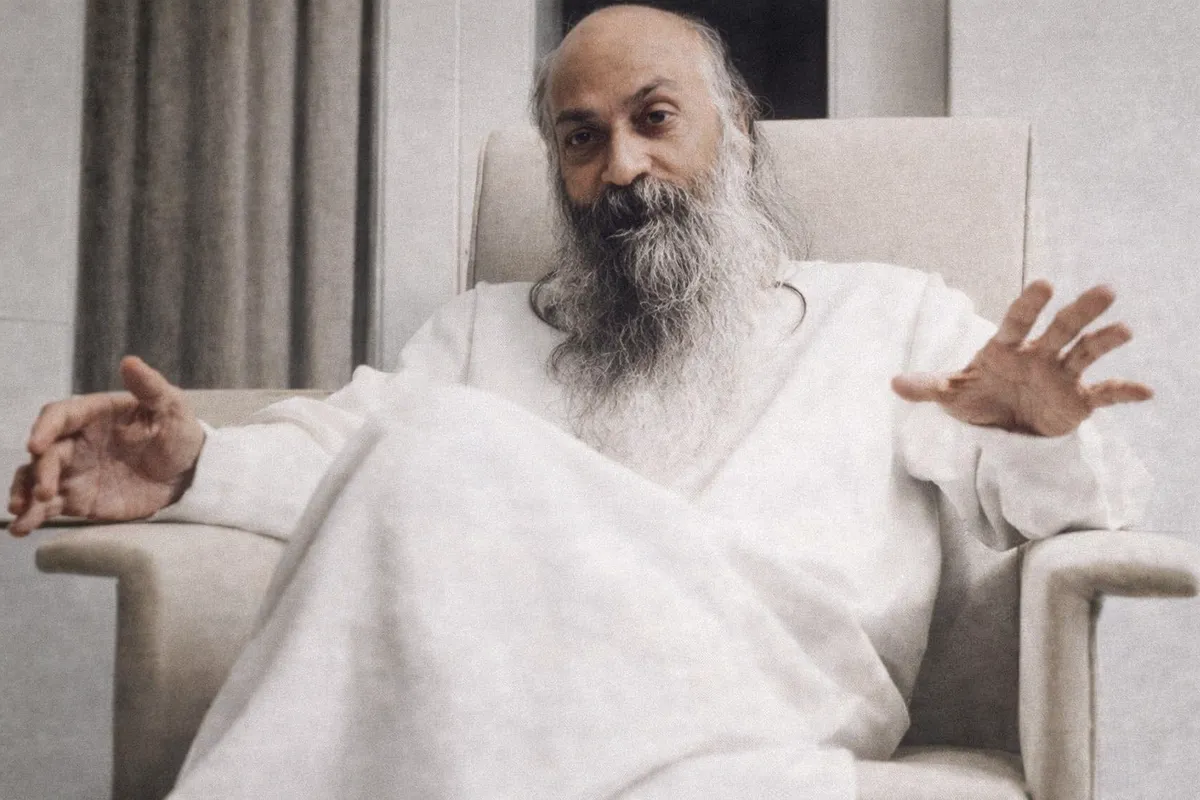
If your body and thoughts stop rushing and you rest quietly, your energy fills up like a battery, and that calm is real strength.
From the Discourses
Passages where Osho speaks to this question — each links to the complete discourse.
Osho, on the first day you explained that “non-ability” is a precious word in Taoist vision and carries great spiritual value. In that context it seems that tamasic and lazy people already possess the quality of non-ability, yet their spiritual growth is not visible. What is your view on this?
What Lao Tzu calls “non-ability” is the name of the deepest ability. It is not laziness; it is the ultimate state of rest. Nor is it tamas; it is a most incandescent state of energy. Understand the difference clearly. The confusion is natural, because if someone is sitting inactive it appears to us that he is lazy. But all who sit inactive are not lazy. The one we call lazy does not truly sit empty; the work of the mind goes on. Perhaps the lazy man does nothing with his body, but with the mind he is fully busy. Where those who are bodily active are running, he too runs with his desires and cravings. In the mind there is no difference. He seems lazy to us because he is not running as we are. But he too is running. If laziness becomes absolute—what Lao Tzu calls non-doing—then laziness itself…
पहला प्रश्न: ओशो, प्रथम दिन की चर्चा में आपने समझाया कि अयोग्यता ताओ चिंतना का कीमती शब्द है, तथा उसका बहुत आध्यात्मिक मूल्य है। इस संदर्भ में ऐसा लगता है कि तामसी व आलसी लोग तो अयोग्यता के गुण से संपन्न होते ही हैं, लेकिन फिर भी उनका आध्यात्मिक विकास होता दिखाई नहीं पड़ता। इस विषय में आपकी क्या दृष्टि है?
लाओत्से जिसे अयोग्यता कहता है वह गहनतम योग्यता का नाम है। वह आलस्य नहीं है, विश्राम की परम दशा है। वह तमस भी नहीं है, ऊर्जा की अत्यंत प्रज्वलित स्थिति है। फर्क को ठीक से समझ लें। भ्रांति स्वाभाविक है, क्योंकि जो व्यक्ति भी निष्क्रिय बैठा है, हमें लगेगा, आलसी है। सभी निष्क्रिय बैठे हुए व्यक्ति आलसी नहीं होते। जिसे हम आलसी कहते हैं, खाली तो वह भी नहीं बैठता; मन का काम जारी रहता है। शायद आलसी आदमी शरीर से कुछ न करता हो, मन से तो पूरी तरह करता है। और जहां शरीर की गति वाले लोग दौड़ रहे हैं वहां वह भी अपनी कामना और वासना से दौड़ता है। उसके मन के संबंध में कोई फर्क नहीं है। हमें आलसी दिखाई पड़ता है, क्योंकि हमारे जैसा नहीं दौड़ रहा है। दौड़ तो वह भी रहा है।
Osho, in Lao Tzu’s vision of life, what place is there for sadhana (spiritual practice)? And one who relies only on drifting, not on swimming—how can he reach his goal? Is effort not necessary to reach the goal? Lao Tzu’s “doing nothing,” being inactive, also seems like a kind of goal. To abandon oneself to unknowing, unknown currents—is that wisdom, a mark of the wise, or is it ignorance and the mark of the ignorant?
No: for those who do not understand and can only understand doing, something must be made for them to do. And they must be made to do so much that by doing and doing they become exhausted and drop it. But the event happens only when they drop. Remember this: the event will not happen before that point of letting go which Lao Tzu speaks of. They must be tired out by doing. They must be made to do so much that they come to such a pitch of tension that there remains no way to maintain it, and the tension falls away. Tension has its laws. Either you drop tension right now—through understanding. One way is to drop tension through understanding. My fist is clenched. One way is that you tell me: “Clenched is not the fist’s nature; therefore you will get tired. Clenched is not the fist’s nature;…
प्रश्न: ओशो, लाओत्से के ऐसे जीवन-दर्शन में साधना का क्या स्थान होगा? और जो केवल बहने पर निर्भर होता है, तैरने पर नहीं, वह अपने लक्ष्य तक कैसे पहुंच सकता है? क्या लक्ष्य तक पहुंचने के लिए भी यत्न की आवश्यकता नहीं है? लाओत्से का कुछ न करना, निष्क्रिय होना भी एक प्रकार का लक्ष्य जान पड़ता है। अबोध, अनजान धाराओं पर अपने आपको छोड़ देना ज्ञान है, ज्ञानी का लक्षण है? अथवा अज्ञान और अज्ञानी का?
नहीं, बाकी जो लोग नहीं समझ पाते हैं, करना ही समझ पाते हैं, उनसे कुछ करवाना पड़ता है। और उनसे इतना करवाना पड़ता है कि वे कर-करके थक जाएं और छोड़ दें। लेकिन घटना तभी घटती है, जब वे छोड़ते हैं। ध्यान रखें, घटना लाओत्से के पहले घटने वाली नहीं है। उनको कर-करके थकाना होता है। उनसे इतना करवाना होता है कि वे इतने तनाव में आ जाएं कि और तनाव का उपाय न रह जाए और तनाव छूट जाए। तनाव के नियम हैं। या तो आप तनाव को छोड़ दें इसी वक्त--समझपूर्वक। एक तो रास्ता है, समझपूर्वक तनाव का छोड़ देना। मेरी यह मुट्ठी बंधी है। एक रास्ता तो यह है कि आपने मुझसे कहा कि बंधा होना मुट्ठी का स्वभाव नहीं है, इसलिए तुम थक जाओगे। आपने मुझसे कहा, बंधा होना मुट्ठी का स्वभाव नहीं है, इसलिए तुम नाहक थक जाओगे। क्योंकि बांधने में तुम्हें शक्ति लगानी पड़ रही है और व्यर्थ तुम कष्ट पा रहे हो। तो मैं आपसे पूछूं कि मुट्ठी को कैसे खोलूं? क्या उपाय करूं? क्या साधना करूं कि मुट्ठी खोलूं? तो आप कहेंगे, फिर समझे नहीं। …
Do they simply have to be endured? They do have to be endured. So his freedom is not license. There is a deep check upon it. He is free in that he can act contrary to nature. But whatever consequences arise from acting contrary—painful ones—he will have to endure them.
This kind of man is not what we ordinarily call a “seeker.” The seeker we speak of is usually a reaction to the householder. If the householder runs a shop, the seeker does not; if the householder earns wealth, the seeker renounces it; if the householder marries, the seeker does not. But his rules are derived from the householder—he is only a reaction. Lao Tzu says, “I am no one’s reaction. It does not matter what others do. I neither follow anyone to do as he does, nor go against anyone to do the opposite. I let happen what arises from within.” Allowing nature to happen means not imitating anyone, not copying anyone, not building one’s personality in opposition to anyone. Whatever can happen from within, whatever wants to happen—we allow it. No obstruction, no condemnation, no opposition, no struggle, no conflict. Let what happens, happen. This means dropping notions…
प्रश्न: झेलने ही पड़ते हैं? वे झेलने ही पड़ते हैं। तो उसकी स्वतंत्रता स्वच्छंदता नहीं है। उस पर एक गहरी रुकावट है। स्वतंत्र है वह कि वह प्रकृति से प्रतिकूल काम करे। लेकिन प्रतिकूल काम करने से जो भी परिणाम होंगे दुखद, वे उसे झेलने ही पड़ेंगे।
यह जो आदमी है, यह साधारणतः जिनको हम साधक कहते हैं, वैसा आदमी नहीं है। हम जिसे साधक कहते हैं वह आमतौर से, हम जिसे साधारण आदमी कहते हैं, उससे विपरीत होता है। अगर यह आदमी दुकान करता है तो वह आदमी दुकान नहीं करता। अगर यह आदमी धन कमाता है तो वह आदमी धन छोड़ देता है। अगर यह आदमी विवाह करता है तो वह आदमी विवाह नहीं करता। लेकिन उसके करने का जितना भी नियम है वह इसी गृहस्थ से मिलता है। वह सिर्फ इसका रिएक्शन होता है। लाओत्से कहता है कि हम किसी के रिएक्शन नहीं हैं, हम किसी की प्रतिक्रिया नहीं हैं। कौन क्या करता है, इससे प्रयोजन नहीं है। न हम किसी के पीछे जाते कि वैसा करें जैसा वह करता है, न हम किसी के प्रतिकूल जाते हैं कि वैसा करें जैसा वह नहीं करता है। हम तो वही होने देते हैं जो हमारे भीतर से होता है। स्वभाव को होने देने का मतलब यह है कि हम किसी का अनुकरण न करें, किसी की नकल न करें, किसी के विरोध में आयोजन न करें अपने व्यक्तित्व का। जो हो सकता है भीतर से, जो होना चाहता है, वह हम होने दें। …
When the deep meaning of things is not understood the mind's essential peace is disturbed to no avail.
THE WAY IS PERFECT LIKE VAST SPACE WHERE NOTHING IS LACKING AND NOTHING IS IN EXCESS. INDEED, IT IS DUE TO OUR CHOOSING TO ACCEPT OR REJECT THAT WE DO NOT SEE THE TRUE NATURE OF THINGS. LIVE NEITHER IN THE ENTANGLEMENTS OF OUTER THINGS, NOR IN INNER FEELINGS OF EMPTINESS. BE SERENE WITHOUT STRIVING ACTIVITY IN THE ONENESS OF THINGS AND SUCH ERRONEOUS VIEWS WILL DISAPPEAR BY THEMSELVES. WHEN YOU TRY TO STOP ACTIVITY TO ACHIEVE PASSIVITY YOUR VERY EFFORT FILLS YOU WITH ACTIVITY. AS LONG AS YOU REMAIN IN ONE EXTREME OR THE OTHER YOU WILL NEVER KNOW ONENESS. THOSE WHO DO NOT LIVE IN THE SINGLE WAY FAIL IN BOTH ACTIVITY AND PASSIVITY, ASSERTION AND DENIAL. ... Logic will say something absolutely different. Logic will say, "Practice rest the whole day, so in the night you can rest beautifully. Mulla Nasruddin went to his doctor. Coughing, he entered.
Question: ON THE SOFTEST SUBSTANCE: THE SOFTEST SUBSTANCE OF THE WORLD GOES THROUGH THE HARDEST. THAT-WHICH-IS-WITHOUT-FORM PENETRATES THAT-WHICH-HAS-NO-CREVICE; THROUGH THIS I KNOW THE BENEFIT OF TAKING NO ACTION. THE TEACHING WITHOUT WORDS AND THE BENEFIT OF TAKING NO ACTION ARE WITHOUT COMPARE IN THE UNIVERSE. ... But at that very moment, miles away from the grove, on the road a beggar was passing, going from one town to another. Suddenly, from out of the blue, a deep urge came into him to go into the forest. He resisted the urge, it was dangerous, the forest was filled with wild animals and there was no point in going into it because he had to reach the other village by the morning, and half the journey was yet incomplete. For what should he go into the forest?