
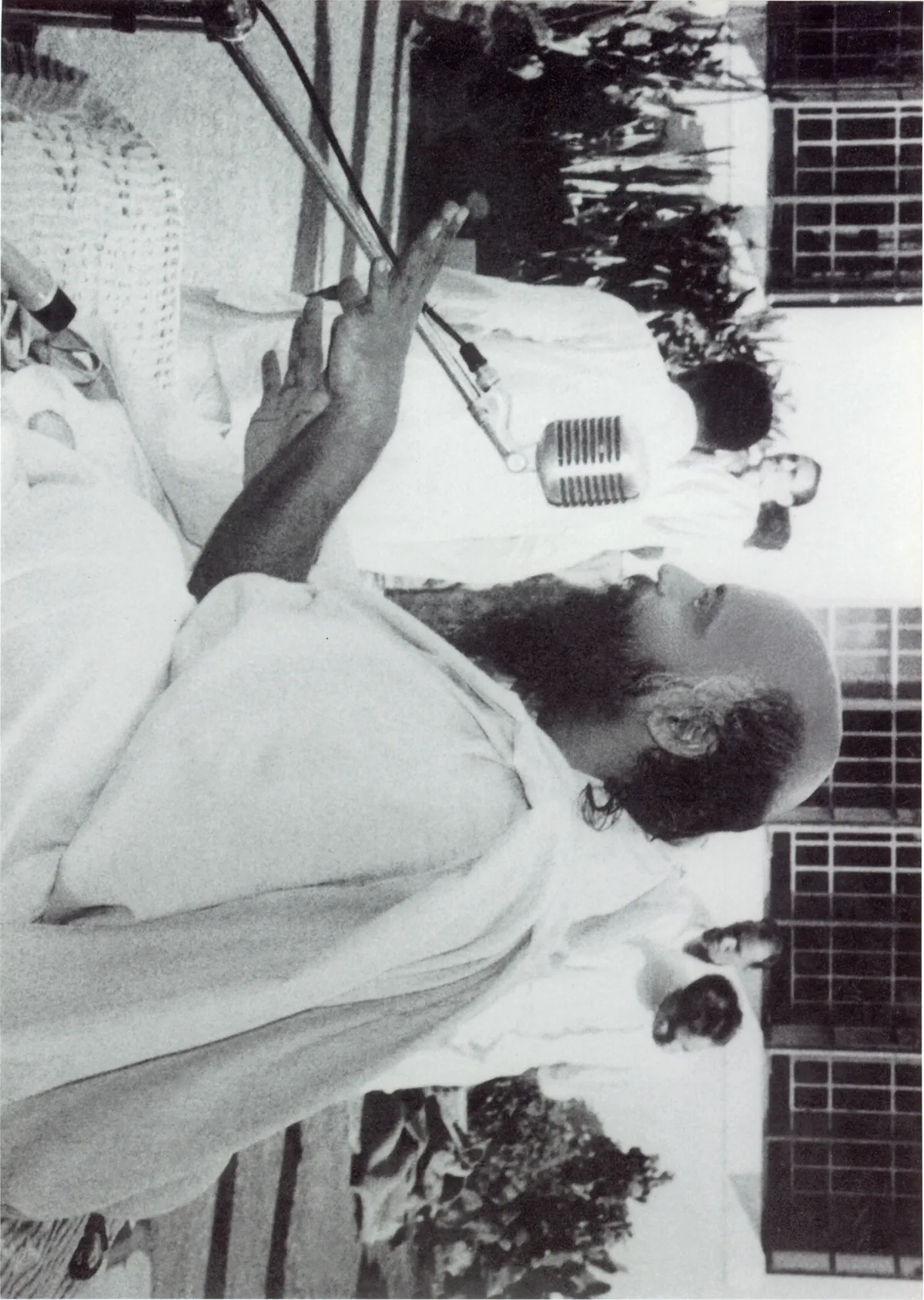
According to Osho, there’s no gap: a “seeker” is simply the beginning of sannyas, and to seek is to practice sannyas. Sannyas is the total sadhana of transcending pleasure and pain into bliss, the doer into the witness, the ego into the void, and matter into the Supreme. “Seeker” means sannyas begun; “siddha” means sannyas complete—daily attaining more of the Vast.
A seeker is a beginner sannyasin; sannyas is living the practice of going beyond ego and suffering, step by step, every day.
From the Discourses
Passages where Osho speaks to this question — each links to the complete discourse.
Osho, what is the difference between a seeker (sadhak) and a sannyasin? And can someone be a seeker without becoming a sannyasin?
Without becoming a sannyasin, no one can be a seeker. “Seeker” means the beginning of sannyas. In fact, being a seeker means to practice sannyas. Sannyas is sadhana—what else will a seeker do? One has to: - go, in the world, gradually beyond all pleasures and pains and attain bliss; - go beyond the doer (karta) and realize the witness (sakshi); - go beyond the ego and realize the void (shunya); - go beyond matter and realize the Supreme (Paramatman). The collective name for all this is sannyas. “Seeker” means sannyas has begun; “siddha” means sannyas is complete. Between the two lies the journey—the journey of sannyas. It is for sannyas that there is sadhana. So the very meaning of “seeker” is that he has set out in search of sannyas. But keep in mind what I mean by sannyas: my sannyas is of attainment, of gaining—each day the Vast,…
Questioner: what is the difference between a seer and a sannyasin? Can't one be a seeker without being a sannyasin?
One cannot be a seeker without being a sannyasin, because to be a seeker is the beginning of sannyas. A seeker is one who is seeking sannyas. What else can a seeker do except seek sannyas, except practice and perfect sannyas? He has to gradually transcend the pains and pleasures of the world and attain to bliss. He has to transcend the doer and attain to witnessing. He has to go beyond his ego and attain to emptiness. He has to transcend matter and be one with God. All these things are collectively known as sannyas. Being a seeker means he is starting on a journey to sannyas. A seeker is a beginner on the path of sannyas, and a siddha, an adept, is one who has fulfilled his sannyas. The whole of seeking is directed towards sannyas. A seeker is one who is in search of sannyas. But always…
And you have asked: “Please clarify the difference between a sadhak and a sannyasin.”
To make this distinction clear you should understand these seven words. First: Curiosity. Some people are merely curious. They ask, “Is there God or not?”—but they don’t have much at stake in it. They ask just for the sake of asking, like little children. If you don’t answer for two minutes, they forget. If you answer after a minute, they’ll say, “What are you answering? When did I ask?” Such people come to me. If they start talking about God and I see only curiosity in their eyes, I ask about something else: “How is your wife? How are the children?” They forget—God and all that is dropped—and they begin talking about wife and children. Then they sit for an hour and never bring up God again. They had raised it just to keep the conversation going—out of courtesy, out of curiosity. It has no value. So the first state…
Osho, which guna-dominant seeker do you call a sannyasin? Does the predominance of any one guna begin as soon as one takes sannyas?
Sannyas has nothing to do with the gunas. Sannyas is related to nirguna, the quality-less. Sannyas is an inner state of feeling. It is the art of non-grasping. You do not cling to anything. You remain without holding on. Grasping is what makes a householder. You will build houses all around; you will cling to something. You will not be able to live without supports. You will need some prop, some security for the future, some wealth—be it the wealth of merit, of good deeds, of sattva. A sannyasin means: I will build no inner house; I will not hoard any inner wealth; I will gather no possessions; I will not think of the future. I will live in this very moment—and live as consciousness. And I will know only this much: I am a witness; an observer; a seer. Sannyas is a state beyond the gunas. Until that arises,…
Question: BELOVED OSHO, WHAT DOES IT MEAN TO BE A SPIRITUAL SEEKER? A Buddha, a Mahavira, could call this world sansar, a wheel, because they knew that it was a wheel when they stepped aside. It is not that you are running in a line, it is a circle -- repeating the same desires, the same days, the same nights, the same disillusionments, and going on in the whirlwind. Pushed from behind, pulled from the front, you go on. Sannyas means to step aside, to step out. This is the second part of sannyas. Sannyas has two parts. The first part is knowing the frustration, knowing the anguish. This is the miracle: once you know that the world is anguish, the world is frustration, you are not frustrated at all. The frustration comes because you think the world is not frustrating.