
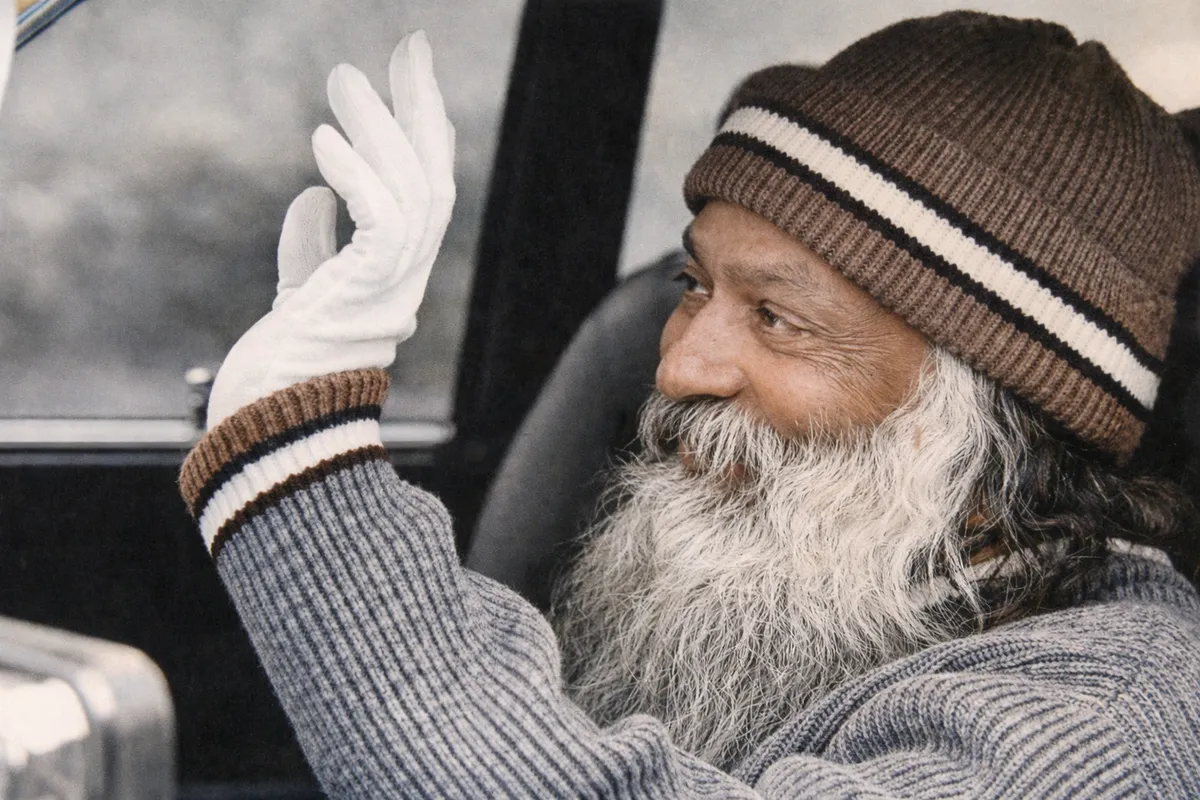
Be natural and let things be without forcing or overthinking, acting from your real self.
From the Discourses
Passages where Osho speaks to this question — each links to the complete discourse.
Osho, please explain Sahaj Yoga more openly and clearly.
I’ve heard: In Japan a fakir died. At his death, hundreds of thousands gathered; he was renowned. But his disciple was even more famous—indeed the guru was known because of him. People came and saw that this disciple was sitting outside, beating his chest, weeping. They said, “You—and you’re crying? We thought you had attained knowledge! And you weep?” The disciple said, “Fools! For the sake of your ‘knowledge’ I should quit crying? Keep your knowledge—guard it—I don’t want it.” They said, “What will people say? Go inside! There will be disgrace. We thought you were sthitaprajna, steadfast in wisdom; we thought nothing could touch you.” He said, “You thought wrong. Earlier little touched me—I was less sensitive, I was hard. Now everything touches me and passes right through. I will weep—I will weep my heart out. Throw away your ‘knowledge.’” But as devotees are, they said, “Bad name will…
ओशो, सहज योग के विषय में कुछ खुला करके समझाइए।
मैंने सुना है, जापान में एक फकीर मरा। उसके मरते समय लाखों लोग इकट्ठे हुए। उसकी बड़ी कीर्ति थी। लेकिन उससे भी ज्यादा कीर्ति उसके एक शिष्य की थी। उस शिष्य के कारण ही गुरु प्रसिद्ध हो गया था। लेकिन जब लोग आए तो उन्होंने देखा वह जो शिष्य है, वह बाहर बैठकर छाती पीटकर रो रहा है। तो लोगों ने कहा कि आप और रो रहे हैं? हम तो समझते थे आप ज्ञान को उपलब्ध हो गए! और आप रोते हैं? तो उस शिष्य ने कहा कि पागलो, तुम्हारे ज्ञान के पीछे मैं रोना न छोडूंगा। रोने की बात ही और। रखो अपने ज्ञान को, सम्हालो, मुझे नहीं चाहिए। पर उन्होंने कहा कि अरे, लोग क्या कहेंगे? अंदर जाओ! बदनामी फैल जाएगी। हम तो समझे तुम स्थितप्रज्ञ हो गए; हम तो समझे थे कि तुम परम ज्ञानी हो गए; और हम तो समझे थे कि अब तुम्हें कुछ भी नहीं छुएगा। उसने कहा, तुम गलत समझे थे। बल्कि पहले मुझे बहुत कम छूता था, संवेदनशीलता मेरी कम थी, मैं कठोर था। अब तो सब मुझे छूता है और आर-पार निकल जाता है। मैं तो रोऊंगा, मैं तो दिल भरकर रोऊंगा। …
A friend has asked: would you please explain fully what is sahaja yoga -- effortless, natural and spontaneous yoga?
Sahaja yoga means: don't deceive yourself. Know and accept yourself exactly as you are and how you are without any reservations. If you do so, mutation will happen instantly. Mutation happens simultaneously with understanding and acceptance. Then you will not have to wait for it. Will one wait till tomorrow if his house is on fire and he knows it? He will get out of his house in a split second. The day we fully see our life as it is -- and it is a house on fire -- the moment of mutation arrives. But we have our own deceptive ways. The house is on fire and we have decorated its interior with flowers. Our hands are in chains and we have coated the chains with gold, and so while we see the glitter of gold we fail to see the chains. We are full of illnesses and wounds,…
Osho, are the siddha Saraha’s Sahaj-yoga and Zen’s awareness of the moment different or essentially one? And isn’t Sahaj-yoga simply another name for surrender?
Sahaj-yoga means: do not make life complicated. Do not become false. The more false you are, the more miserable you will be. Falsehood brings suffering, because through it your connection with truth loosens and breaks. Existence is truth. If you become truthful with it, your music will harmonize, your notes will fall into place. Then your rhythm coincides with the whole; there will be dance and celebration. Becoming true with the whole, you merge with it—and in that merging is samadhi. If you remain false, you remain isolated. Existence can have no union with falsehood, because falsehood has no being. What is not cannot unite with what is. Only what is can meet what is; what is not can only meet what is not. That is why one lie forces a thousand more. To protect one lie, you must tell another, because only lies can shield lies. Then to cover…
पहला प्रश्न: ओशो, सिद्ध सरहपा का सहज-योग और झेन का क्षण-बोध क्या अन्य हैं या अनन्य? और क्या सहज-योग समर्पण का ही दूसरा नाम नहीं है?
सहज-योग का अर्थ होता है: मत करो जटिल। मत बनो झूठ। क्योंकि तुम जितने झूठ हो जाओगे उतने ही दुखी हो जाओगे। झूठ दुख लाता है, क्योंकि झूठ के कारण तुम्हारा संबंध सत्य से छूटने लगता है, टूटने लगता है। यह अस्तित्व सत्य है। इसके साथ सत्य हो जाओ तो तुम्हारा संगीत जुड़ जाये, तो तुम्हारी सरगम बैठ जाये। तुम इसके साथ सत्य हो जाओ तो ही तुम्हारा छंद बैठेगा और तुम्हारे जीवन में नृत्य होगा, उत्सव होगा। इसके साथ तुम सत्य हो जाओ तो इसके साथ लीन हो जाओगे। और उसी लीनता में समाधि है। और अगर तुम झूठ रहे तो तुम अलग-थलग रहोगे। अस्तित्व का झूठ से कोई मिलन नहीं हो सकता, क्योंकि झूठ है ही नहीं। जो है ही नहीं, उससे उसका कैसे मिलन हो जो है? दोनों में कोई तालमेल नहीं हो सकता। है का मिलन है से होगा। नहीं है का मिलन नहीं है से होगा। इसलिये जो आदमी एक झूठ बोलता है, उसे फिर हजार झूठ बोलने पड़ते हैं। अब एक झूठ को बचाने के लिए दूसरा झूठ बोलो, क्योंकि झूठ से सिर्फ झूठ ही बच सकता है। झूठ ही झूठ की सुरक्षा कर सकता है। …
Osho, you have titled this series of talks “Sahaj Yoga.” Do “sahaj” and “yoga” not seem mutually opposed?
Anand Maitreya! They don’t just seem opposed, they are opposed. But no ultimate truth of life can manifest without contradiction. Life is made of opposites—darkness and light, day and night, woman and man, negative electricity and positive electricity, birth and death. The very structure of life is woven of opposites. Hence the opposites are not only opposed; they are complementary to each other. If you have labored hard all day, you will be able to sleep deeply. Labor and rest are opposites, yet only the one who has worked can rest deeply—and the one who has not worked cannot. So the opposites are not only opposed, they complete each other. And only the one who has rested deeply at night can rise in the morning and engage in work again. One who has not rested through the night will not be able to work in the morning. Look closely at…
पहला प्रश्न: ओशो, आपने इस प्रवचनमाला का शीर्षक दिया है--सहज-योग। क्या सहज और योग परस्पर-विरोधी नहीं लगते?
आनंद मैत्रेय! विरोधी लगते ही नहीं, विरोधी हैं। लेकिन जीवन का कोई भी परम सत्य बिना विरोधाभास के प्रगट हो ही नहीं सकता। जीवन बना है विरोधों से--अंधेरा और प्रकाश, दिन और रात, स्त्री और पुरुष, ऋण विद्युत-धन विद्युत, जन्म-मृत्यु। जीवन की संरचना विरोधों से है। इसलिए विरोधी विरोधी ही नहीं हैं, एक-दूसरे के परिपूरक भी हैं। दिन भर श्रम किया खूब तो गहरी नींद सो सकोगे। श्रम और विश्राम विरोधी हैं, पर जिसने श्रम किया है वही गहरा विश्राम कर सकेगा। और जिसने श्रम नहीं किया वह गहरा विश्राम भी न कर सकेगा। तो विरोधी विरोधी ही नहीं हैं, एक-दूसरे के परिपूरक भी हैं। और जिसने रात्रि गहरा विश्राम किया है वही सुबह जागकर फिर श्रम में संलग्न हो सकेगा। जो रात-भर विश्राम नहीं कर सका वह सुबह श्रम में भी न लग सकेगा।