
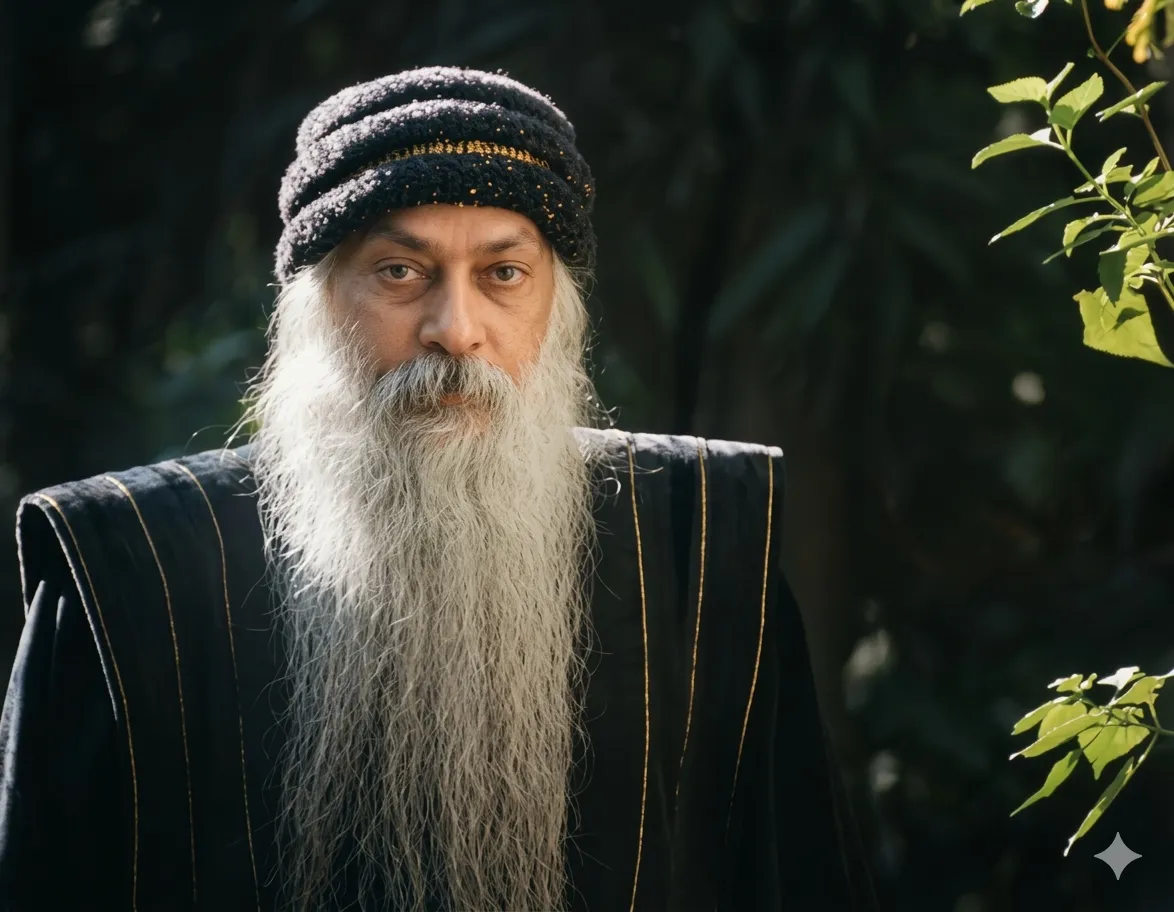
If you stop trying to beat others and accept things as they are, the feeling of losing disappears—you already feel peaceful and connected.
From the Discourses
Passages where Osho speaks to this question — each links to the complete discourse.
Question: Fifth question: Will I have to live my whole life only in defeat? It depends on you. If there is a great longing to win, you will have to live in defeat. Drop the very desire to win—and you win right now. Then what defeat is there! Defeat only means that there is an indomitable craving to win. Because of that craving, the experience of defeat arises. Have you noticed? A little child wrestles with his father. The father pretends a bit, flails an arm or two, then quickly lies down. The child climbs on his chest, shouts, dances with joy, “I threw him! I knocked father flat on his back!” And the father lies underneath, happy—happy in being pinned. What is this? Because the father has accepted defeat. So even in defeat there is no defeat.
तुम पर निर्भर है। अगर जीत की बहुत आकांक्षा है तो हारे-हारे ही जीना होगा। अगर जीत की आकांक्षा छोड़ दो तो अभी जीत जाओ। फिर हार कैसी! हार का अर्थ ही होता है कि जीतने की बड़ी अदम्य वासना है। उसी वासना के कारण हार अनुभव में आती है। कभी खयाल किया, छोटा बच्चा अपने बाप से कुश्ती लड़ता है, बाप ऐसा थोड़ा दो-चार हाथ-पैर चलाकर जल्दी से लेट जाता है, छोटा बच्चा छाती पर बैठ जाता है और चिल्लाता है और प्रसन्नता से नाचता है कि गिराया, बाप को चारों खाने चित्त कर दिया। और बाप नीचे पड़ा प्रसन्न हो रहा है। चारों खाने चित्त होने में प्रसन्न हो रहा है, बात क्या है! क्योंकि बाप जानता है, हार स्वीकार की है उसने। तो हार में भी हार नहीं है।
Osho, I don’t know what my eyes keep searching for; in the heap of ashes there is neither flame nor spark. There is much in life, and yet by winning I gained nothing, nothing remained. The very thing I keep hoping for—why does it slip away again and again?
Mulla Nasruddin went to an eye doctor. His eyesight had begun to dim. The doctor said he would need glasses. The glasses were made; Mulla went to collect them. He asked the doctor, “Once the glasses are on my eyes, I will be able to read and write, right?” “Certainly,” said the doctor. “That is why they were made. You will read and write perfectly.” Mulla said, “That truly would be a miracle—because I don’t know how to read or write.” If you don’t know how to read and write, will spectacles make you literate? Even if the courtyard were perfectly square, every corner a neat ninety degrees, what would that do if you don’t know how to dance? You may have the most beautiful veena, and not know how to play it! Even if I were to give you Krishna’s very flute, what would you do with it? Krishna’s…
दूसरा प्रश्न: ओशो, जाने क्या ढूंढती रहती हैं निगाहें मेरी राख के ढेर में न शोला है न चिनगारी। जिंदगी में है तो बहुत कुछ, लेकिन जीत कर कुछ भी न मिला, कुछ न रहा। जिसकी आस किए बैठी हूं, वह बार-बार क्यों फिसल जाता है?
… मुल्ला ने डाक्टर से पूछा कि जब चश्मा आंख पर लग जाएगा तो मैं पढ़ना-लिखना तो कर सकूंगा न? डाक्टर ने कहा, निश्चित। इसीलिए तो चश्मा बनाया है। बिलकुल पढ़-लिख सकोगे। मुल्ला ने कहा, यह भी बड़ा चमत्कार है, क्योंकि पढ़ना-लिखना मुझे आता नहीं। पढ़ना-लिखना न आता हो तो चश्मा लगाने से पढ़-लिख सकोगे? आंगन बिलकुल चौकोर भी हो, हर कोना नब्बे अंश का हो, तो भी क्या होगा नाचना न आता हो? सुंदर से सुंदर वीणा तुम्हारे पास हो और बजानी न आती हो! कृष्ण की ही बांसुरी तुम्हें दे दूं, तो क्या करोगे? …
Osho, man just keeps on going—in defeat and in victory; in success and in failure; in love and in separation. What is it that keeps him moving?
Many times man comes very close to awakening. Someone dear to you dies. In that moment you are very close to Buddhahood. When you are in the sorrow of death, Buddhahood is very near. If you grasp the thread, a leap can happen. But you do not grasp the thread; you falsify the sorrow. You explain yourself away, you persuade yourself. You mount again upon the dreams of fresh hopes. Sorrow shakes you, but even that shaking you absorb. You bind up consolations, you think, “Soon all will be well again; spring will return; flowers will bloom again.” It is true too that the one who has departed will not return to you again—but life does not end with that. There are other people, other loved ones, and those who are not dear today can become dear tomorrow. “What has happened—forget it, let it go,” hope says—“leave it; much can…
दूसरा प्रश्न: ओशो, आदमी चलता ही रहता है--हार में, जीत में; सफलता में, असफलता में; प्रेम में, विरह में। वह क्या है जो उसे चलाए रखता है?
लेकिन तुम सूत्र पकड़ नहीं पाते, तुम दुख को झुठला लेते हो। तुम अपने को समझा लेते हो, मना लेते हो। तुम फिर नयी-नयी आशाओं के सपनों पर सवार हो जाते हो। दुख झकझोरता है, लेकिन तुम उस झकोरे को भी समा लेते हो अपने में। सांत्वना बांध लेते हो, सोचते हो, फिर सब ठीक हो जाएगा, फिर वसंत आएगा, फिर फूल लगेंगे। यह भी सच है कि जो चल बसा है, अब दुबारा तुम्हें न मिल सकेगा, लेकिन इस पर ही कोई जीवन थोड़े ही समाप्त हो जाता है। और भी लोग हैं, और भी प्रियजन हैं, और जो आज प्रिय नहीं हैं कल प्रिय हो सकते हैं। जो हो गया, भूलो, बिसारो-- आशा कहती है--छोड़ो उसे, अभी बहुत कुछ हो सकता है, भविष्य को देखो, अतीत पर अटके मत रहो। और अहंकार कहता है, क्या इतनी जल्दी हार मान लोगे? क्या इतने कमजोर हो?
Osho, is attaining the Divine a human being’s victory or defeat?
Every path has its supports, and every path has its dangers. And it often happens that we ignore the supports and fall into the dangers. Of a hundred knowers, ninety-nine get entangled in ego; and of a hundred devotees, ninety-nine fall into laziness and become dull, inert. Be alert. If you choose the path of knowledge, the path of meditation, remember well that ego must not be allowed to fill you—otherwise all is wasted, all your doing undone. Built with one hand, destroyed with the other. It becomes spiritual suicide. On the path of devotion, ego is no danger. The devotee does not think of himself at all. He keeps no sense of “I.” The danger is different: that he may become slothful, inert, fatalistic—saying, “Whatever will be, will be. Nothing happens through our doing; we are as we are; we shall remain as we are. When His grace descends,…
तीसरा प्रश्न: ओशो, परमात्मा को पाना मनुष्य की जीत है या हार?
हर मार्ग की सुविधाएं हैं, हर मार्ग के खतरे हैं। और अक्सर ऐसा होता है कि सुविधा की तो हम फिकर ही नहीं करते हैं, खतरे में पड़ जाते हैं। सौ ज्ञानियों में निन्यानबे अहंकार में उलझ जाते हैं और सौ भक्तों में निन्यानबे आलस्य में पड़ जाते हैं और तामसी हो जाते हैं। सावधान रहना। अगर ज्ञान का मार्ग चुनो, ध्यान का मार्ग चुनो, तो स्मरण रखना कि कहीं इससे अहंकार न भरे, नहीं तो सब व्यर्थ हो गया--किया-कराया सब व्यर्थ हो गया। एक हाथ से बनाया, दूसरे हाथ से मिटा डाला। आत्महत्या हो गई। भक्ति के मार्ग पर अहंकार का कोई खतरा नहीं है। भक्त अपने लिए सोचता ही नहीं। मैं का भाव ही नहीं रखता। खतरा दूसरा है। …
Osho, sometimes you say, “Live from the feeling within,” and sometimes you say, “Live in tathata with whatever life brings, live in total acceptance.” How can the inner rhythm and the outer situation always be one? Kindly guide.
When your inner instrument gets tuned—have you seen a musician tuning his instrument? He taps, tightens the drum, tightens the strings—likewise, when within you tighten your strings, set your instrument, when music is born within you, when you begin to dance inside, to be ecstatic—then suddenly you see the entire world ready to support you. Helping hands come from all around. In this land we gave God a thousand hands—for this very reason. A lovely image. How can a two-handed God support everyone who needs support? We made Him a thousand-handed God. A thousand is symbolic—for infinite, numberless. And more than a thousand are hard to carve in paintings or statues. The meaning is clear: awaken just once, and with a thousand hands the Divine supports you. From every side His hand reaches for you. His hand has always been reaching—you have been running away. You keep defending yourself from…
पहला प्रश्न: ओशो, कभी आप कहते हैं, ‘भीतर के भाव से जीओ’ और कभी कहते हैं, ‘जीवन जो कुछ लाए उसके साथ तथाता में जीओ, सर्व-स्वीकार के साथ जीओ।’ भीतर का छंद और बाहर की स्थिति दोनों हमेशा एक कैसे रह सकते हैं? कृपापूर्वक मार्गदर्शन करें।
तुम्हारे भीतर जब छंद जम जाता है...देखा न, संगीतज्ञ साज को बिठाते हैं, ठोक-ठाक करते हैं, तबला, तार कसते हैं--ऐसे ही जब तुम्हारे भीतर तुम अपने तबलों को ठोक-ठाक कर, तार को कस कर, साज को बिठा लेते हो; जब तुम्हारे भीतर संगीत का जन्म होने लगता है; जब तुम भीतर नाचने लगते हो, मगन हो जाते हो, मस्त हो जाते हो--तब तुम्हें अचानक दिखाई पड़ता है कि सारा जगत तुम्हारे साथ देने को तत्पर खड़ा है। सब तरफ से हाथ आ गए। हमने इस देश में परमात्मा के हजार हाथ बनाए हैं--इसीलिए। बड़ी प्यारी धारणा है। दो हाथ का परमात्मा किस-किस को सहारा देगा! इतनों को सहारे की जरूरत है! उसके हमने हजार हाथ बनाए हैं। हजार तो प्रतीक है। उसका मतलब अनंत, अनगिनत। और हजार से ज्यादा बनाना भी कठिन था--चित्रों में, मूर्तियों में। मगर अर्थ साफ है। हम यह कह रहे हैं कि तुम एक बार जागो भर कि हजार हाथों से परमात्मा तुम्हें साथ देता है। हर तरफ से उसका हाथ तुम्हारे पास आ जाता है। …