
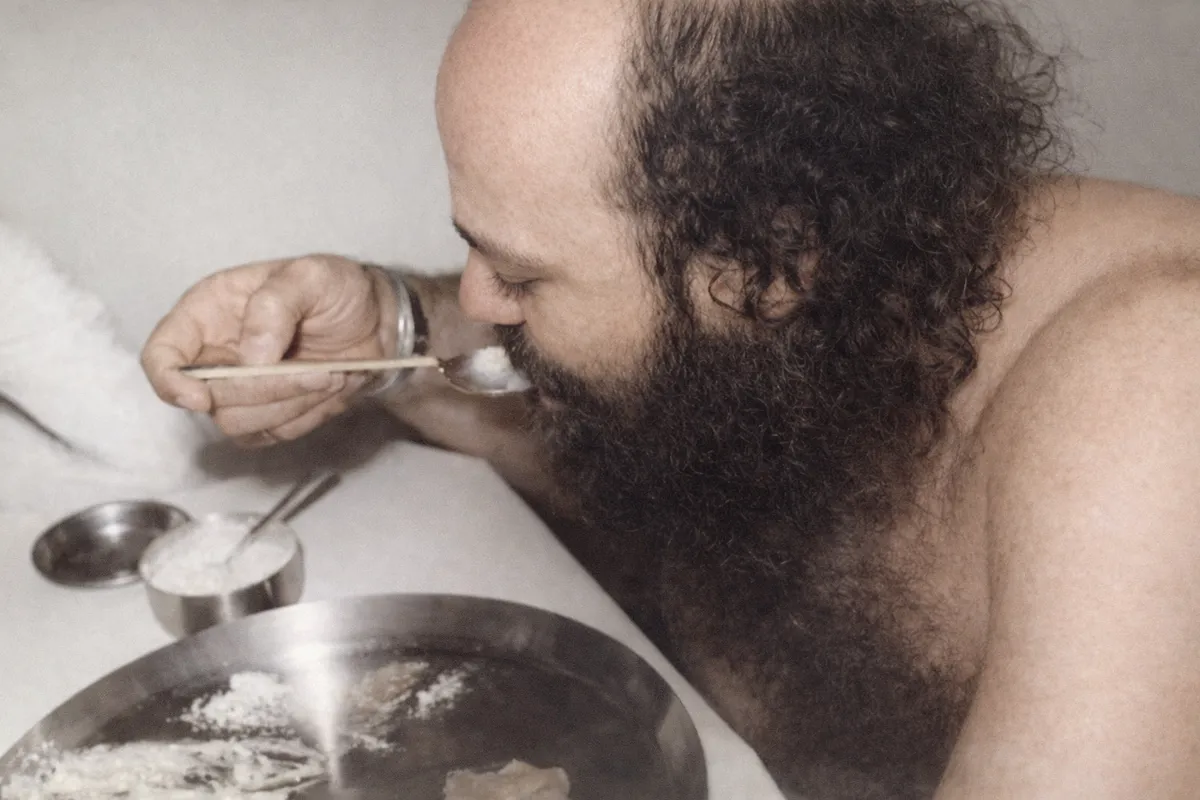
He won’t tell you; he wants you to look inside and try things, because you can find your own answer.
From the Discourses
Passages where Osho speaks to this question — each links to the complete discourse.
Osho, is it necessary to live a worldly life to attain self-realization?
The world is fire—vast, blazing. All around you are flames. It is necessary to pass through these flames, for each flame carries a lesson, a teaching, and each will make you stronger. By knowing and knowing again, by falling and rising, one day you will recognize that here everything is insubstantial. The day you know this, the flower of supreme renunciation will bloom in your life. I can tell you, “All is insubstantial,” but will it become insubstantial for you just because I said so? Without tasting, it will not. I can tell you, “Neem is bitter,” but if you have not tasted it, will neem be bitter for you? Even if you trust me, somewhere a doubt will slip in: Who knows, perhaps the man is lying? Perhaps he himself was deceived? Perhaps his tongue is odd, and to him it tasted bitter? Apart from one’s own experience, there…
चौथा प्रश्न: ओशो, क्या आत्मोपलब्धि के लिए सांसारिक जीवन जीना आवश्यक है?
संसार अग्नि है--जलता हुआ, विराट। तुम्हारे चारों तरफ लपटें ही लपटें हैं। इन सारी लपटों से गुजरना जरूरी है। क्योंकि हर लपट कुछ शिक्षण लिए हुए है। हर लपट की कुछ सीख है, सिखावन है। और हर लपट तुम्हें मजबूत कर जाएगी। जान-जान कर, गिर-गिर कर, उठ-उठ कर ही तो तुम पहचानोगे एक दिन कि यहां सब असार है। जिस दिन तुम जानोगे, सब असार है, उस दिन तुम्हारे जीवन में परम संन्यास का फूल खिलेगा। मैं तो कह दूं कि सब असार है। मगर मेरे कहने से तुम्हें असार हो जाएगा? बिना भोगे नहीं होगा असार! मैं तो कहूं कि नीम कड़वी है। …
Osho, the life I am living, and the way I am living—Is this what life is?
He didn’t listen. He came just now, greatly repentant—didn’t become chief minister, and is no longer even a minister. He said, Now tell me meditation. I said: Now come again—when the chance to become chief minister arises once more in your life. People want meditation free—without giving up anything. And meditation is the most precious thing in life. There is no gem greater than it. Even if you give up everything for it—you have lost nothing. Take to meditation, Madhukar! Your very name is sweet—Madhukar, honeybee! Within, the true flower is in bloom. Come inside. Hum its song there. There is the real nectar. Whoever has drunk it is satisfied forever. If to the blossoming mangoes the maddened bees do not come, how am I to know that springtime has arrived? Granted, the sky seems open now and washed, wide-spread, blue upon blue, the frost-burned lawn turns yellow-green again on…
पहला प्रश्न: ओशो, मैं जो जी रहा हूं, और जैसा जी रहा हूं, क्या यही जीवन है?
… क्योंकि मुख्यमंत्री तो हुए ही नहीं, मंत्री भी नहीं रह गए। कहने लगे, अब बता दें ध्यान! मैंने कहा: अब फिर आना! जब मुख्यमंत्री बनने का फिर मौका कभी जीवन में आ जाए, तब आना। ध्यान लोग मुफ्त चाहते हैं। कुछ भी गंवाना न पड़े। और ध्यान इस जीवन में सबसे मूल्यवान वस्तु है। उससे बड़ा कोई हीरा नहीं। उसके लिए सब भी गंवाओ तो कुछ भी नहीं गंवाया। ध्यान में लगो, मधुकर! नाम तुम्हारा प्यारा है! भीतर खिला है असली फूल। चलो भीतर। गुनगुनाओ वहां। वहां है असली रस। जिसने पीआ, वह सदा के लिए तृप्त हो गया। …
Question: Second question: Osho! I can’t make any sense of whether I’m alive or not! ... You will have to drop all the logic you have collected—borrowed and stale. You will have to rely on your own intelligence. Only your own intelligence can liberate you. No one else’s truth can set you free. Only your own intelligence can give you life. And this crowd all around—these are all dead. It is a crowd of corpses. Seeing them, don’t conclude, “After all, there are so many; they too are alive like me, so I must be alive. That would be mere logic, empty logic, of no value. In Jesus’ life there is a mention: early one morning he came to the lake and placed his hand on a fisherman’s shoulder. The man had just cast his net.
तुम्हें सारे तर्क छोड़ने पड़ेंगे जो तुमने अब तक सीख लिए हैं, जो उधार हैं और बासे हैं। तुम्हें अपनी प्रतिभा पर निर्भर रहना पड़ेगा। और तुम्हारी प्रतिभा ही तुम्हें मुक्ति दे सकती है। किसी और का सत्य तुम्हें मुक्त नहीं कर सकता। तुम्हारी प्रतिभा ही तुम्हें जीवन दे सकती है। और इस भीड़ में जो चारों तरफ लोग हैं, ये सब मुर्दा हैं। यह मुर्दों की भीड़ है। इनको देख कर तुम यह मत समझ लेना कि आखिर इतने लोग हैं, ये भी तो जिंदा हैं मेरे ही जैसे, तो मैं भी जिंदा हूं। वह तर्क ही होगा सिर्फ, कोरा तर्क होगा, उसका कोई मूल्य नहीं है।
Osho, when does the pivot point of “athato”—the “now”—arrive in the lives of us ordinary worldly people? Please explain.
One halts when one sees the futility of life—the lack of essence, the failure—nothing in the hand but pain, nothing in the heart but tears, life utterly dark, the boat on the verge of sinking. In such a moment, when one stops, love arises; desire drops. You no longer ask; you become eager to give. Love gives; desire asks. As long as there is asking, know it is desire. When giving begins… You used to ask hoping asking would increase your wealth and bring happiness. The one who halts begins to give: “I tried asking; it brought pain. Let’s try the opposite.” He starts giving—and finds faint breezes of happiness begin to blow; a veena begins to sound somewhere distant; very distant—but the notes appear; a new realm begins. That is the beginning for the one who has halted. He begins to give, to share—and as he shares, the notes…
पहला प्रश्न: ओशो, ‘अथातो’--‘अब’ का मोड़-बिंदु हम सामान्य सांसारिकजनों के जीवन में कब आ पाता है? कृपा कर समझाएं।
ठिठकता है कोई देख कर जीवन की व्यर्थता, जीवन का असार, निष्फलता, हाथ में सिवाय पीड़ा के और कोई संग्रह नहीं, हृदय में सिवाय आंसुओं के और कुछ दिखाई नहीं पड़ता, जीवन बिलकुल अंधकारपूर्ण है, नाव डूबी--अब डूबी, तब डूबी जैसी हालत है--ऐसे क्षण में जब कोई ठिठक जाता है, उस ठिठकने के क्षण में प्रेम का आविर्भाव होता है, कामना गई! अब तुम मांगते नहीं, अब तुम देने को उत्सुक हो जाते हो। प्रेम देता है, काम मांगता है। जब तक मांग है तब तक समझना, काम; जब देना शुरू हो जाए...। क्योंकि तुम मांगते इसलिए हो कि मांगने से बढ़ेगी संपत्ति और सुख आएगा। ठिठका हुआ व्यक्ति देना शुरू करता है: मांग कर देख लिया़, सुख न आया, दुख आया; अब जरा उलटा करके देख लें। देना शुरू करता है और पाता है कि सुख के हलके झोंके आने लगे; बजने लगी वीणा, कहीं दूर यद्यपि, बहुत दूर यद्यपि--पर बजने लगी, स्वर सुनाई पड़ने लगे, कोई नया लोक शुरू हुआ।
Osho, yesterday you said that when anger is watched consciously, it dissolves. But why is it that when sexual desire arises, even in awareness its intensity persists? Why is it so?
There is no entanglement in the breath. If you try to practice on anger… Anger is not happening every moment; it happens sometimes. And when it happens, it happens with such intensity that you are already going deep into it; so much is at stake in those moments that you may think, “We will look into awareness later; first let’s settle this now.” Lust is very deep, because existence has made it so deep; life depends on it. If lust were so easy that you decided and were freed, perhaps you would not even have been born—because many before you would have become free, and the possibility of your being would have been almost nil. But your parents, and their parents, did not become free; therefore you are. You too will not get free so easily, because your children are also to be—they are waiting: “Do not run away midway.”…
दूसरा प्रश्न: ओशो, आपने कल कहा कि क्रोध को होशपूर्वक देखने पर क्रोध विलीन हो जाता है। लेकिन क्या कारण है कि कामवासना के उठने पर होश में भी उसकी प्रगाढ़ता बनी रहती है। ऐसा क्यों है?
श्वास में कुछ झंझट नहीं है। अब तुम या तो क्रोध पर साधोगे...। क्रोध रोज तो होता नहीं, प्रतिपल होता नहीं, कभी-कभी होता है; जब होता है तब इतनी प्रगाढ़ता से होता है कि तुम गहरे में उतर रहे हो; जब होता है तब इतनी बातें दांव पर लग जाती हैं कि शायद तुम सोचोगे, ‘फिर देख लेंगे होश इत्यादि! यह अभी, अभी तो निपट लें।’ कामवासना तो बहुत गहरी है, क्योंकि प्रकृति ने उसे बहुत गहरा बनाया है, क्योंकि जीवन उस पर निर्भर है। अगर कामवासना इतनी आसान हो कि तुमने चाहा और छूट गए, तो तुम शायद पैदा ही न होते, क्योंकि तुमसे पहले बहुत लोग छूट चुके होते; तुम्हारे होने की संभावना न के बराबर होती। मगर वह तो तुम्हारे माता-पिता उनके माता-पिता नहीं छूट सके, इसलिए तुम हो। तुम भी इतनी आसानी से न छूट जाओगे, क्योंकि तुम्हारे बच्चों को भी होना है; वे भी प्रतीक्षा कर रहे हैं कि ऐसे भाग मत जाना बीच से। जीवन बहुत कुछ टिका है कामवासना पर। इसलिए उसका छूटना इतना आसान नहीं है। असंभव नहीं है, आसान भी नहीं है। …