
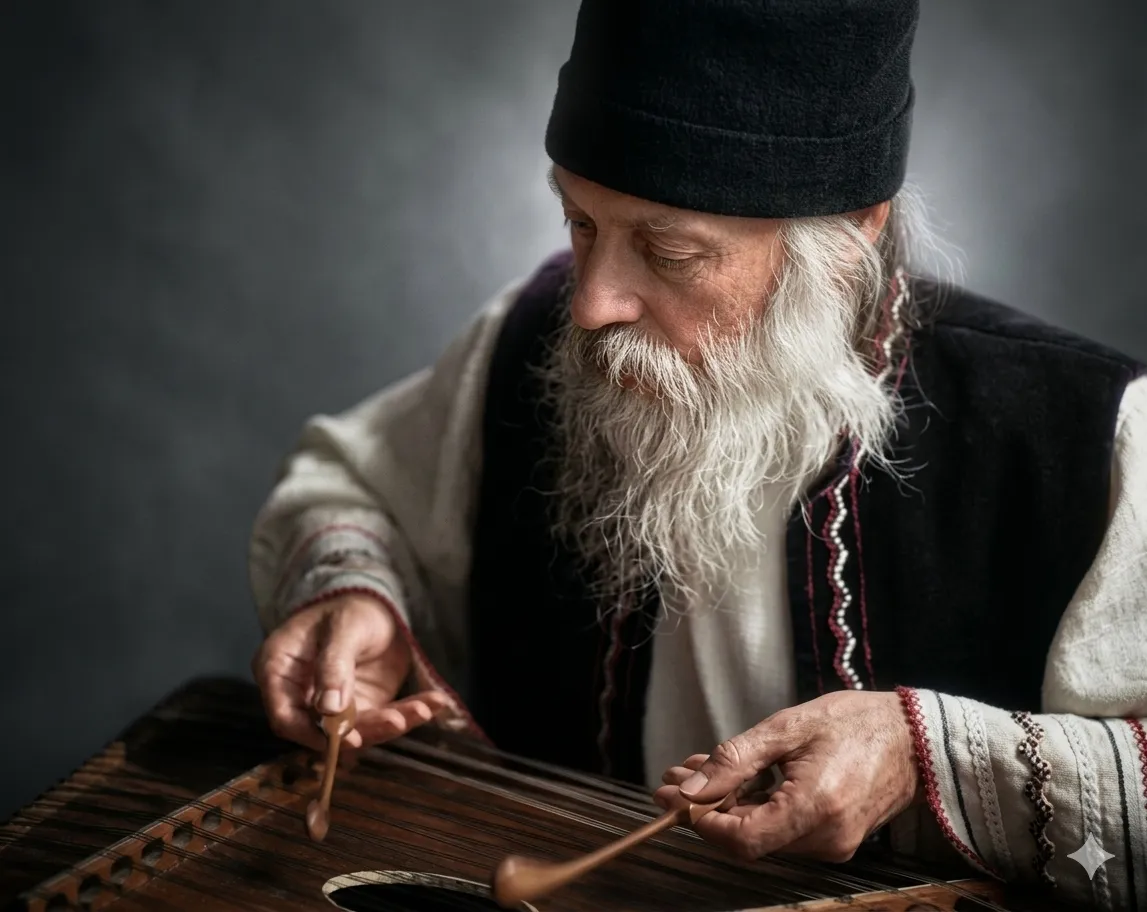
Empathy means feeling another’s pain or joy as your own, showing we are all connected.
From the Discourses
Passages where Osho speaks to this question — each links to the complete discourse.
Beloved master, is empathy the current that brings about the awareness of our each and every relatedness, and vice versa?
Mind is already finished. Man has to evolve a new system of education which directs his energies towards the heart. Machines cannot have hearts, the computers cannot have hearts. The computers cannot fall in love with each other, nor can they elope with somebody's wife. The heart knows something which the mind is not aware of. It knows the way of empathy. The heart can connect itself to the whole existence. And that will bring it great ecstasies, immense joy -- as if constantly flowers go on showering on you from nowhere. Your question is significant, but I don't think you understand what you have asked; empathy is not your experience. Once in a while lovers, great lovers, have felt it. Once in a while great disciples and masters have felt it. Gautam Buddha had a disciple, Ananda, who remained with him till his very last breath -- almost forty-two…
Osho, we’ve run into a big difficulty! The difficulty is that, until now, we believed that sympathy is a part of nonviolence. We had held this for a long time. But while speaking of ahimsa under the Panch Mahavrat, you said that there is hidden violence in sympathy, because in it the “other” is present. Then you took it further, and, while giving the example of samānubhūti (empathy), you mentioned Paramhansa Ramakrishna—saying that when a farmer was being whipped, the marks of those lashes showed up on Ramakrishna’s back.
So, between sympathy and empathy, in reference to the tendency toward violence, please explain their subtle difference. And please also tell us whether what you called empathy is a mental event or something of the spiritual plane. Sympathy is commonly thought to be something very valuable and precious—but it isn’t. Sympathy means: someone is unhappy and you express sorrow with him; you become sorrowful. Sympathy means co-experiencing—experiencing alongside another. But the person who experiences sorrow in another’s sorrow never experiences joy in another’s joy. If someone’s big house goes up in flames, you express sorrow; but if someone builds a big house, you do not express joy. This needs to be understood. What does it mean? It means sympathy is a deception. Sympathy could only be true if you felt sorrow in another’s sorrow and joy in another’s joy. But while we can manage, or at least display, sorrow in…
ओशो, हम एक बड़ी मुसीबत में पड़ गए हैं! और वह मुसीबत हमारे लिए यह है कि अभी तक हमारी यह धारणा रही थी कि सहानुभूति, सिम्पैथी यह एक अहिंसा का अंग है। और हम बहुत दिनों से बराबर इसे मानते रहे थे। लेकिन पंच-महाव्रत के अंतर्गत आपने अहिंसा के संदर्भ में बताया कि सहानुभूति में हिंसा छिपी है, क्योंकि इसमें दूसरा मौजूद है। फिर आपने इस चीज को और आगे बढ़ाया और आपने समानुभूति का उदाहरण देते हुए परमहंस स्वामी रामकृष्ण का जिक्र किया। और जिसमें आपने यह भी बताया कि एक किसान पर जब कोड़े लग रहे थे, उस समय उस कोड़े के निशान रामकृष्ण परमहंस की पीठ पर दिखाई पड़ रहे थे।
तो ये सहानुभूति और समानुभूति ये दो चीजें हिंसा-वृत्ति के संदर्भ में इनमें क्या सूक्ष्म भिन्नता है, यह बताने की कृपा करें। और साथ ही साथ यह बताने की कृपा भी करें कि जिसे आपने समानुभूति का नाम दिया है, वह भी मानसिक घटना है या आध्यात्मिक तल की चीज है? सहानुभूति, सिम्पैथी साधारणतः बड़ी मूल्यवान और कीमती चीज समझी जाती रही है--है नहीं। सहानुभूति का अर्थ है, कोई आदमी दुखी है और आप उसके दुख में दुख प्रकट करते हैं; दुखी होते हैं। सहानुभूति का अर्थ है, सह-अनुभूति; दूसरे के साथ-साथ अनुभव करना। लेकिन जो आदमी दूसरे के दुख में दुख अनुभव करता है, वह आदमी दूसरे के सुख में कभी सुख अनुभव नहीं कर पाता है! अगर किसी के बड़े मकान में आग लग जाए, तो आप दुख प्रकट करते हैं; लेकिन किसी का बड़ा मकान बन जाए, तो सुख नहीं प्रकट कर पाते हैं! इस बात को समझ लेना जरूरी है। इसका मतलब क्या हुआ? इसका मतलब यह हुआ कि सहानुभूति एक धोखा है। सहानुभूति तभी सच्ची हो सकती है, जब दूसरे के दुख में दुख अनुभव हो और दूसरे के सुख में सुख अनुभव हो।
lt is never possible for us to be one on the mental level with someone else. My mind has a separate entity, your mind has a separate entity. My body has a distinct entity, your body has a distinct entity. It is not possible to have unity or oneness on a physical and mental level. Unity or oneness is possible only on the spiritual level, because we are already on the spiritual level. Just as the water in a pitcher sunk in water is the same as the water outside the pitcher, there is only an earthen wall of the pitcher between them. If that wall is broken, the two waters would become one. There is a wall of mind and body which prevents us from meeting the other, which stops us from becoming one with another. We all are like earthen pitchers in the ocean of consciousness.
Osho, “Apna sa dukh sabka manai, tahi milai avinashi.” This condition of Baba Malukdas for meeting the Imperishable actually feels like an impossibility. A Krishna, a Christ, a Buddha, an Osho might pass this test—but is it really possible that an ordinary person can take everyone else’s suffering as his own?
First, Maluk’s saying has not been understood correctly. “Apna sa dukh sabka manai, tahi milai avinashi.” There can be two meanings. One is the ordinary: consider another’s suffering as your own. That is the straight meaning. If that is the meaning, then your question is exactly right: it is impossible. How will you take another’s pain as your own? If someone else has a headache, how will you take it as your own headache? And if you yourself have never had cracked heels, you cannot really know the pain of someone whose heels are split. If a thorn pierces you, you know it; if it pierces another, he knows it. How will you make another’s pain your own? And even if you force yourself to do so, it will have no real consequences. Has anyone found the Imperishable like that? If that were the meaning, the matter would become impossible.…
तीसरा प्रश्न: ओशो, ‘अपना सा दुख सबका मानै, ताहि मिलैं अविनासी।’ अविनाशी से मिलने की बाबा मलूकदास की यह शर्त तो वास्तव में असंभावना जैसी लगती है। कोई कृष्ण, कोई क्राइस्ट, कोई बुद्ध और कोई ओशो इस कसौटी पर भला खरे उतर जाएं, लेकिन क्या यह सचमुच संभव है कि कोई साधारण व्यक्ति सब पराए दुख को अपना समझ ले?
पहली बात, मलूक के वचन का अर्थ ठीक से समझे नहीं। ‘अपना सा दुख सबका मानै, ताहि मिलैं अविनासी।’ इसके दो अर्थ हो सकते हैं। एक तो सामान्य अर्थ है कि दूसरे के दुख को अपना दुख मानो। यही सीधा-सीधा अर्थ है। अगर इतना ही अर्थ हो इस वचन में, तो प्रश्न बिलकुल ठीक है: यह असंभव है। कैसे दूसरे के दुख को अपना दुख मानोगे? दूसरे के सिर में दर्द होता है, इसे तुम अपने सिर का दर्द कैसे मानोगे? और तुम्हारे पैर में बिवाई न पड़ी हो, तो दूसरे के पैर में पड़ी बिवाई की पीड़ा का तुमको पता ही नहीं हो सकता। कांटा तुम्हें गड़े, तो तुम्हें पता चलता है; दूसरे को गड़े, तो दूसरे को पता चलता है। दूसरे के दुख को अपना कैसे मानोगे? और अगर मान लिया जबरदस्ती, तो उसके कोई परिणाम न होंगे। …
The custom of sati began like this. Later it degenerated—as all things do—but originally it arose so. Some lover died, and his beloved could no longer breathe. There was no meaning left in breathing. She did not have to climb upon the pyre—who was left now to climb? In the lover’s death, her own death had occurred. When the identification is so total, a certain kind of knowing arises. To call it “knowledge” is not quite right, because with knowledge we think of separation, of distance, of a gap. This is an unprecedented kind of knowing where there is no distance, no twoness, no duality. This is what Shandilya calls priti—love. There is a way of knowing that is of the heart, and a way of knowing that is of the intellect.
सती की प्रथा ऐसे ही शुरू हुई थी। फिर पीछे विकृत हुई--सभी चीजें विकृत हो जाती हैं--लेकिन ऐसे ही शुरू हुई थी। कभी कोई प्रेमी मरा था और उसकी प्रेयसी फिर सांस न ले सकी थी। फिर सांस लेने में कोई अर्थ ही न रह गया था। चिता पर चढ़ने भी जाना नहीं पड़ा था--चिता पर चढ़ने लायक था ही कौन अब? प्रिय की मृत्यु में ही स्वयं की भी मृत्यु हो गई थी।