
Yes—please come tomorrow afternoon.
From the Discourses
Passages where Osho speaks to this question — each links to the complete discourse.
A friend has asked: Osho, please repeat the instructions for the afternoon meditation.
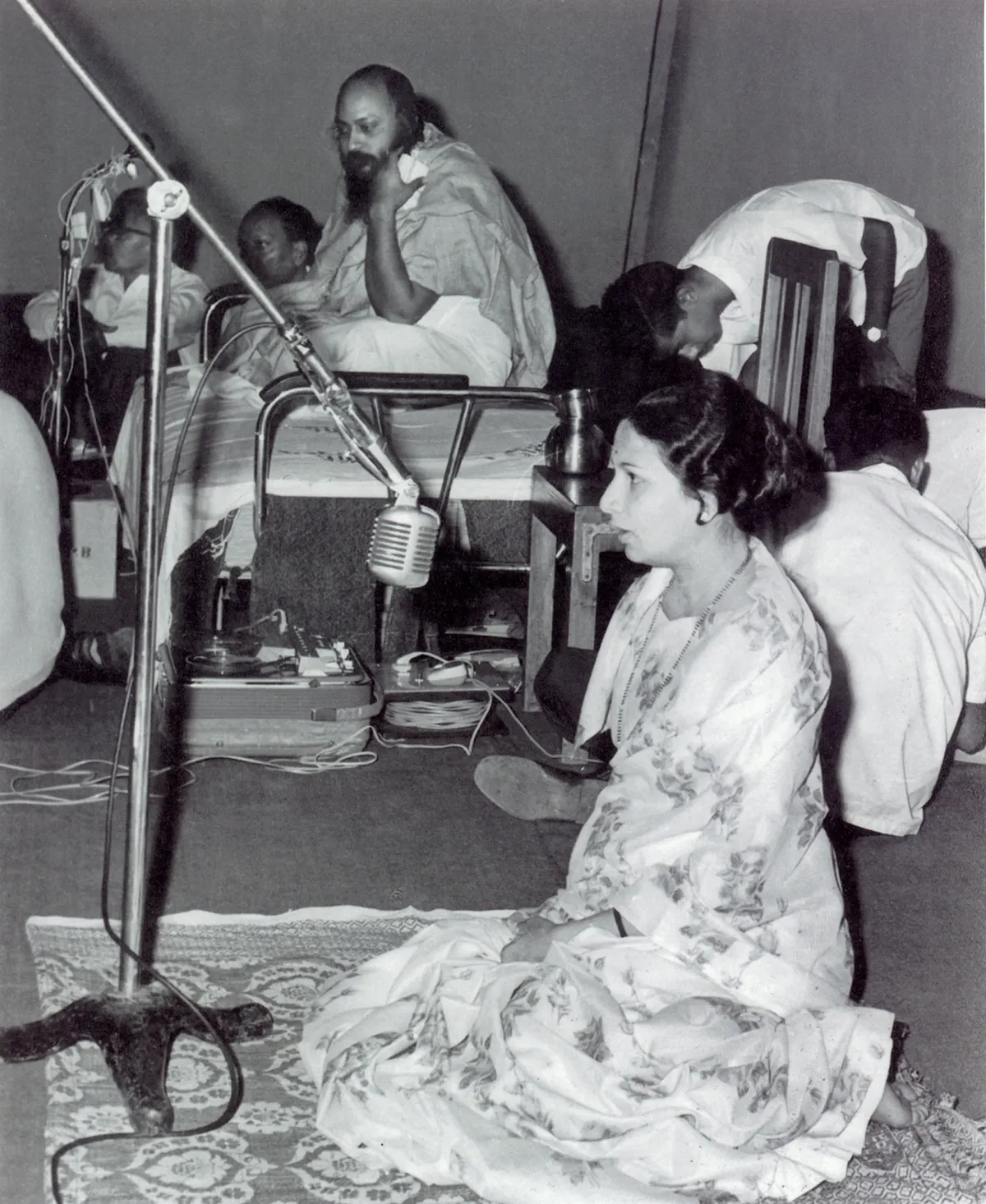
In the afternoon meditation there is nothing to do. The afternoon meditation is a practice of absolute silence. I will sit among you; you will sit silently near me. In that silence, whatever happens, let it happen—dancing, shouting, crying, singing, the body swaying—whatever it is, let it happen. If someone feels that a longing has arisen within to come to me, then come and sit by me for two minutes and then get up and go. Come to me only if you feel it. Do not come because someone else is going. If the feeling arises within you, then come and then leave. Forget about others.
एक मित्र ने पूछा है कि ओशो, दोपहर की साधना के लिए आदेश दोहरा दें।
दोपहर की साधना में कुछ भी नहीं करना है। दोपहर की साधना परिपूर्ण मौन की साधना है। मैं आपके बीच बैठूंगा, आप मेरे पास मौन बैठेंगे। उस मौन में जो भी हो उसे होने देना है--नाचना, चिल्लाना, रोना, गाना, शरीर का डोलना--जो भी हो, होने देना है। किसी को लगे कि मेरे पास जाने की आकांक्षा भीतर पैदा हुई, तो वह मेरे पास दो मिनट आकर बैठ जाए और फिर उठ कर चला जाए। लगे तो ही मेरे पास आए। और कोई जा रहा है इसलिए आप न आएं। आपके भीतर आ जाए भाव तो आ जाएं और चले जाएं। दूसरे की फिक्र छोड़ दें।
This hour of silence will be just a waiting for the unknown. You don't know who will come, and yet he will come. You don't know what you will hear, and yet you will hear. You don't know what you will see, and yet you will see. You will sit silently for an hour, just awaiting the unknown guest whom you have never seen and heard. You may sit or lie down as you would like. But be receptive, become receptivity itself, for a whole hour. Be passive, but receptive to that which is, or is going to happen. Let it just happen. Be passive but alert and awaiting, wakefully awaiting. And through silence I will try to communicate to you what I have to say. You may, perhaps, understand through silence what you don't understand through words.
(For ten minutes the meditation of total acceptance continues; after ten minutes Osho gives suggestions for the third experiment.)
And the third point: the greatest wall between man and the Divine is not on the Divine’s side; it is on man’s side. That wall is man’s notion, “I am.” The stronger this notion is—this ego, this “I am”—the higher the wall that stands between us and That. In the full depth of meditation the “I” must dissolve; otherwise the wall will not fall, and union will not be possible. So the third sutra is the dissolution of the “I.” In the third sutra, continue the first two experiments and add the third. We will breathe deeply. We will maintain the feeling of total acceptance: whatever is happening, I am at ease with it. There is no need to harbor any inner resistance. If the sun is intense, it is intense—and I am okay with it, whatever is happening. And the attention remains on the breath. Now add the third…
(दस मिनट तक श्वास का ध्यान-प्रयोग जारी रहता है, दस मिनट के बाद ओशो दूसरे प्रयोग के लिए सुझाव देते हैं।)
तो दूसरा दस मिनट के लिए हम प्रयोग करेंगे सर्व-स्वीकार का। जो भी हो रहा है, मैं उससे राजी हूं, मेरा कोई विरोध नहीं है। पक्षी आवाज कर रहे हैं, मैं राजी हूं। और जब आप राजी होकर पक्षी की आवाज सुनेंगे--क्योंकि फिर सुनने के सिवाय कोई उपाय न रहा--जब शांति से, आनंद से, स्वीकार से पक्षी की आवाज सुनेंगे, तो आप पाएंगे कि पक्षी की आवाज आपके भीतर गूंजती है, चली जाती है, आप एक खाली घर की तरह रह गए, वह आवाज कोई बाधा नहीं डालती, बल्कि उस आवाज के बाद आप और शांत हो गए जितना कि आवाज के पहले थे। जैसा कि कभी रात रास्ते पर चलते हों, अंधेरी रात हो और कार निकल जाए, तो कार के प्रकाश के गुजर जाने के बाद रास्ता और अंधेरा मालूम पड़ने लगता है। ठीक ऐसे ही आवाज गुजरेगी, अगर हमने उसका विरोध न किया, तो और घनी शांति पीछे से लौट आती है।
In the evening I will speak; and those who feel to journey further—for them, in the morning, not talk but meditation—experiments to enter the door from where the scent of that Prabhu—who is life—begins to be felt. He can be known. It is not difficult—because He is very near. Not difficult—because He is not far. Not difficult—because we have not truly lost Him. Not difficult—because no matter how much we forget Him, He never forgets us. Children grow up and forget the mother—it is natural. Life asks—shall the child keep remembering the mother, or shall he move into life? Children forget their mother—naturally. But the mother—however much the children forget—she does not forget. I was once stranded at a small station—the train had been missed. I sat on the platform.
यह चारों तरफ जो मौजूदगी है, जो प्रेजेंस है, उसका अनुभव, स्मरण--इसका स्मरण कैसे जगे? जिसे हम भूल गए हैं और खोया नहीं, उसे हम फिर कैसे स्मरण करें? इन चार दिनों में आपसे मैं बात ही नहीं करना चाहता; सच तो यह है कि बात मैं सिर्फ मजबूरी में करता हूं, बात करने में मुझे बहुत रस नहीं है। बात सिर्फ इसलिए करता हूं कि कुछ और करने को भी आपको राजी कर सकूं। हो सकता है बात से आप राजी हो जाएं, कुछ और किया जा सके, जिसका बात से कोई संबंध नहीं है। तो सांझ बात करूंगा और जिनको लगे कि हां, कहीं और यात्रा करनी है उनके लिए सुबह, बात नहीं, सुबह ध्यान का प्रयोग करेंगे और उस द्वार में प्रवेश की कोशिश करेंगे जहां से उस प्रभु का पता चलता है जो कि जीवन है। उसका पता चल सकता है। कठिन नहीं, क्योंकि वह बहुत निकट है। कठिन नहीं, क्योंकि वह दूर नहीं। और कठिन नहीं, क्योंकि हमने उसे सच में खोया नहीं है। और कठिन नहीं, क्योंकि हम चाहे उसे कितना ही भूल गए हों, वह हमें किसी भी हालत में और कभी भी नहीं भूल पाता है। …
Do we have to take off our glasses? If we do it standing, we will take them off.
Do not talk; quickly move aside. And those who are seated, please check that there is a little space around you, so that if you sway and move you don’t bump into anyone. And at the back, even if someone does get bumped, don’t worry about it—keep your moving and swaying going. Friends who are standing just to watch will not speak for forty minutes; even that much restraint will be a great discipline, and they will gain a little from it. Just keep watching. So shall I take it that you have chosen your places? Stand a little off to the side; those who are sitting there will be inconvenienced. Those who are standing, step a bit away. Those who are sitting, separate a little so you don’t get in between. Because if someone who is standing falls, or something happens, you will be hurt. Leave a little space.…
प्रश्न: चश्मा उतारना पड़ेगा? खड़े होकर करते हैं तो उतार लेंगे।
… और पीछे तो लगे भी तो उसकी फिक्र न करें, अपना हिलना-डुलना जारी रखें। जो मित्र देखने खड़े हैं वे बात नहीं करेंगे चालीस मिनट, इतना भी बड़ा संयम होगा, इससे भी उन्हें थोड़ा लाभ होगा। सिर्फ देखते रहें। तो मैं मान लूं कि आपने जगह चुन ली। थोड़ा बाहर हट कर खड़े हों, वहां बैठने वालों को दिक्कत होगी। खड़े होने वाले थोड़े हट आएं। बैठने वाले थोड़े अलग हो जाएं, ताकि बीच में न पड़ें। क्योंकि खड़ा होने वाला कोई गिर जाए, कुछ हो, तो आपको तकलीफ होगी। थोड़ी सी जगह छोड़ दें। वे नाचेंगे, कूदेंगे, तो दिक्कत होगी। बैठने वाले और खड़े होने वालों में थोड़ा सा फासला छोड़ लें, ताकि कोई गिर न जाए। …