
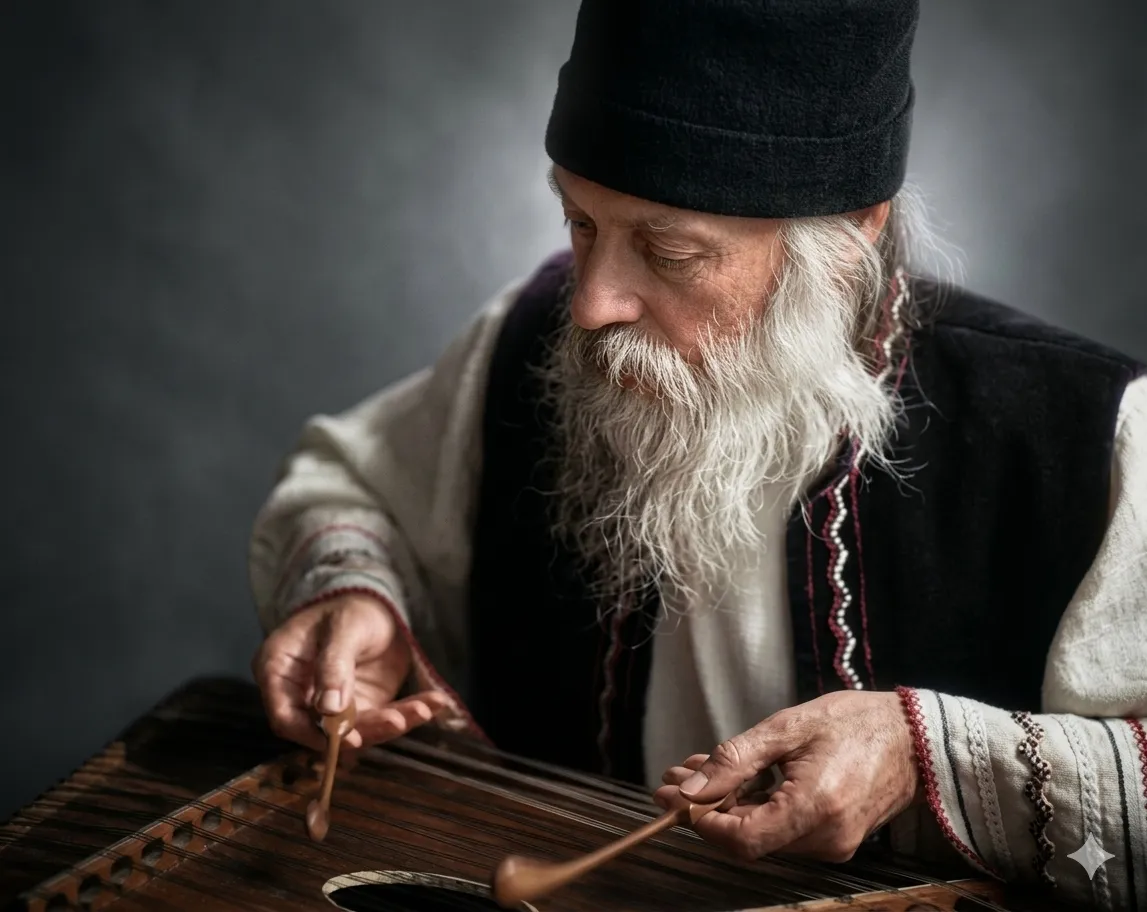
Your busy thoughts are called mind; when all that busyness stops and you’re just quietly aware, that’s your soul.
From the Discourses
Passages where Osho speaks to this question — each links to the complete discourse.
Osho, are the two opposites?
Yes, the two are opposites. Its moving condition, its dynamic state, is the mind; and its settled, vibrationless stillness is the soul. The mind is not a thing; the mind is activity. So as long as the consciousness within us is active, that accumulated stream of activities is called the mind. And when consciousness has become inactive and activities have dropped to zero, that inactive consciousness is called the soul. Active consciousness is mind; perfectly stilled, steady consciousness is the soul.
प्रश्न: ओशो, क्या दोनों विपरीत हैं?
हां, दोनों विपरीत हैं। उसकी चलती हुई स्थिति, उसकी गतिमान स्थिति मन है और उसकी ठहरी हुई, निस्पंद स्थिति आत्मा है। मन कोई वस्तु नहीं है, मन क्रिया है। तो जब तक चेतन हमारा भीतर क्रियाशील है, तब तक मन, वह क्रियाओं का इकट्ठा प्रवाह, मन कहलाएगा। और जब चेतन निष्क्रिय हो गया और क्रियाएं शून्य हो गई हैं, उस निष्क्रिय चैतन्य का नाम आत्मा है। सक्रिय चैतन्य मन है, परिपूर्ण ठहरा हुआ स्थिर चैतन्य आत्मा है।
Osho, are mind, intellect (buddhi), chitta, and ego (ahamkar) distinct things—separate entities—or one and the same? And is the soul different from these, or is their aggregate itself called the soul? Among these, which is inert and which is conscious? And where exactly are they located in the body?
It’s like asking: is the father different, the son different, the husband different? No—the person is one. But before some he is a father, before others a son, before others a husband; before some he is a friend, before others an enemy; to some he appears beautiful, to others not; to some he is master, to others servant. If we had never visited that house and someone told us, “Today I met the master,” another said, “Today I met the servant,” a third said, “I met the father,” and a fourth, “The husband was at home,” we might think many people live there—some master, some father, some husband. The person is one. Our mind behaves in many ways. When it stiffens and declares, “I am everything; no one else is anything,” it appears as ego—ahamkar. That is one mode of the mind’s functioning. When the mind thinks—reasons—it is buddhi, intellect.…
प्रश्न: ओशो, मन, बुद्धि, चित्त और अहंकार, ये पृथक-पृथक वस्तुएं हैं, एन्टाइटीज हैं, या एक चीज है? और आत्मा इनसे भिन्न है या इनके समूह को ही आत्मा कहा जाता है? और इनमें से जड़ कौन सी चीज है और चेतन कौन सी चीज है? और उनका विशिष्ट स्थान कौन सा है शरीर में?
ये अलग-अलग नहीं हैं, ये मन के ही बहुत चेहरे हैं। जैसे कोई हमसे पूछे कि बाप अलग है, बेटा अलग है, पति अलग है? तो हम कहें कि नहीं, वह आदमी तो एक ही है। लेकिन किसी के सामने वह बाप है, और किसी के सामने वह बेटा है, और किसी के सामने वह पति है; और किसी के सामने मित्र है और किसी के सामने शत्रु है; और किसी के सामने सुंदर है और किसी के सामने असुंदर है; और किसी के सामने मालिक है और किसी के सामने नौकर है। वह आदमी एक है। और अगर हम उस घर में न गए हों, और हमें कभी कोई आकर खबर दे कि आज मालिक मिल गया था, और कभी कोई आकर खबर दे कि आज नौकर मिल गया था, और कभी कोई आकर कहे कि आज पिता से मुलाकात हुई थी, और कभी कोई आकर कहे कि आज पति घर में बैठा हुआ था, तो हम शायद सोचें कि बहुत लोग इस घर में रहते हैं--कोई मालिक, कोई पिता, कोई पति। हमारा मन बहुत तरह से व्यवहार करता है। हमारा मन जब अकड़ जाता है और कहता है: मैं ही सब कुछ हूं और कोई कुछ नहीं, तब वह अहंकार की तरह प्रतीत होता है। …
Is this difference -- the difference in their stages -- due to their own choice, or is it their destiny?
To me, the solution to the whole problem takes on a different shape. Do not divide them. They are not two, they are already one -- they have always been one. When the energy becomes conscious it is soul, when it becomes unconscious it becomes body. Sometimes you are more a soul and less a body, sometimes you are more a body and less a soul. This flickering back and forth between one and the other goes on continuously. In the morning you may be more a soul, in the evening you are more a body. When you are in anger you are more a body, when you are in love you are more a soul. The degrees change continuously. When you meditate your consciousness expands and your body shrinks; when you take an intoxicant your consciousness shrinks and your body expands. Body and consciousness are two poles of one…
Osho, in that timeless interval you have described what happens to the soul. But what is the soul’s disembodied form? Is it still or does it wander? How does it recognize other familiar souls? And is there any possibility of dialogue in that state?
Ask: in a dream are you still or moving? It is hard to say. Waking, you find you lay still in bed; yet within the dream there was great movement. Strictly speaking, even movement in dreams is not real. If you understand precisely, in dreams you are not a participant but only a witness. You can see yourself dying in a dream; you can see your own corpse. Even when you see yourself walking, what you see walking is only the dream; you remain the seer. Properly understood, in dream you are only the witness. Hence religion devised a maxim: one who comes to see the world as dream-like attains the supreme realization. Philosophies calling the world maya or dream arose for this reason: if we can see the world as a dream, we become the witness. In dreams there is never a participant; there is always a witness. You…
ओशो, उस समयातीत अंतराल में आत्मा पर क्या घटित होता है वह तो दर्शाया आपने, किंतु यह बात रह गई कि उस आत्मा का अशरीरी रूप क्या होता है? वह स्थिर होती है या विचरण करती है? और अपनी परिचित दूसरी आत्माओं को पहचानती कैसे है? और उस अवस्था में आपस में कोई डायलॉग की भी संभावना होती है?
अगर कोई आपसे पूछे कि स्वप्न में आप थिर होते हैं कि गतिमान होते हैं? तो कठिनाई होगी। स्वप्न में थिर होते हैं कि गतिमान होते हैं? स्वप्न से जाग कर तो यह अनुभव होता है कि अपनी जगह पर पड़े हुए हैं, थिर, स्वप्न के भीतर। लेकिन स्वप्न के बाहर आकर पता लगता है कि स्वप्न में तो बड़ी गति थी। स्वप्न में गति भी नहीं होती। अगर बहुत ठीक से समझें तो स्वप्न में आप भागीदार भी नहीं होते, बहुत गहरे में सिर्फ साक्षी होते हैं। इसलिए स्वप्न में अपने को मरता हुआ भी देख सकते हैं। स्वप्न में अपनी लाश को पड़े हुए भी देख सकते हैं। और स्वप्न में अगर आप अपने को चलता भी देखते हैं, तो भी जिसे आप चलता देखते हैं वह सिर्फ स्वप्न होता है, आप तो देखने वाले ही होते हैं। स्वप्न को अगर ठीक से समझें तो आप सिर्फ विटनेस होते हैं स्वप्न में। इसीलिए धर्म ने एक सूत्र खोज निकाला कि जो व्यक्ति जगत को स्वप्न-भांति देखने लगे, वह परम अनुभूति को उपलब्ध हो जाएगा। इसलिए जगत को माया और स्वप्न कहने वाली चिंतनाएं पैदा हुईं। …
Question: Osho, can spirituality and materialism be reconciled? Science says the soul is not a thing at all: in fact, “soul” is just another name for thought. There is no such entity as a soul—only an empty word. No one has seen the soul; it is only “experienced,” and you can’t transfer an experience to someone else. It’s just a theory. Whoever claims to have experiences ends up with a private, different notion of the soul; everyone who believes themselves to be a soul has their own idea. That’s what these scientists say, and the mind gets confused about who is telling the truth. We talk about the soul though no one has seen it to this day. And Marxism says there are two united elements. We take there to be only one; nothing else exists. But Marxism posits two: energy and matter—conjoined, inseparable.