
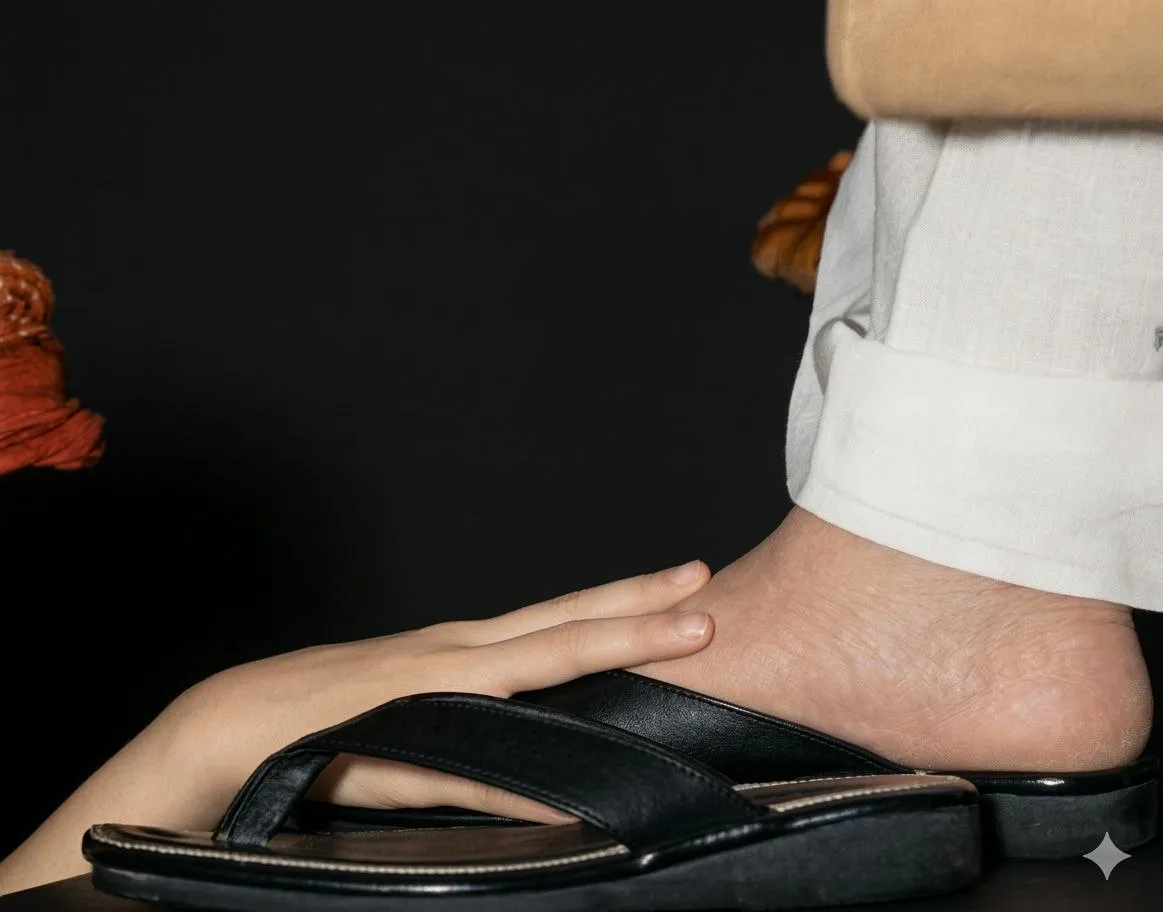
Have enough comfort to be healthy and relaxed so you can look inside, but don’t chase comfort or glorify hardship.
From the Discourses
Passages where Osho speaks to this question — each links to the complete discourse.
A friend has asked: Osho, is austerity needed in spiritual practice or not?
What I am telling you—purification of body, purification of thought, purification of feeling; emptiness of body, emptiness of thought, emptiness of feeling—this is austerity. What do people think austerity is? A man standing in the blazing sun—“he is doing austerity!” Someone lying on thorns—“he is doing austerity!” Someone sitting hungry—“he is doing austerity!” Our concept of austerity is extremely materialistic, very physical. For us, austerity means tormenting the body. If someone inflicts pain on the body, we say he is practicing austerity. But austerity has nothing to do with bodily torture. Austerity is something wondrous; it is something altogether different. A man is fasting. We think he is practicing austerity. He is merely starving. And I would even say he is not fasting at all; he is simply without food. Being without food, not eating, is one thing; being in upavasa is quite another. Upavasa means dwelling near the divine.…
एक मित्र ने पूछा है कि ओशो, साधना में तपश्चर्या की जरूरत है या नहीं?
… शरीर को कोई कष्ट दे रहा है, तो तपश्चर्या कर रहा है। जब कि तपश्चर्या का कोई संबंध शरीर के कष्ट से नहीं है। तपश्चर्या बड़ी अदभुत बात है। तपश्चर्या कुछ बात ही और है। एक आदमी उपवास कर रहा है। हम समझते हैं, तपश्चर्या कर रहा है। वह केवल भूखा मर रहा है। और मैं तो यह भी कहता हूं कि वह उपवास कर ही नहीं रहा है। वह केवल अनाहार है। अनाहार रहना, भोजन न करना एक बात है। उपवास में रहना बिलकुल दूसरी बात है।
Osho, some people say pranayama is helpful—does it really help?
No, in my understanding it is not helpful. That is why I deny every so‑called support. If I grant even a little, you will find in a few days that the support has become primary—you will start worrying about the support itself, and that becomes the whole work. No supports. I want to keep just one small point before your eyes: let nothing else come in between. No support. Otherwise, then everything in life becomes a support—eating and drinking, sleeping and waking, sitting—everything. Pranayama can be helpful for health. It is useful for health. But even that needs great care and understanding; otherwise it can also be useful in bringing ill‑health. About life and the body my view is: let them be lived very naturally, spontaneously. The more naturally and spontaneously you live them, the less you meddle, the better. Pranayama is not as valuable as simply allowing clean air…
प्रश्न: ओशो, प्राणायाम भी कोई कहता है इसमें कुछ सहायक है?
नहीं, मेरे मानने में तो कुछ सहायक नहीं है। और इसलिए मैं हर एक चीज को इंकार कर देता हूं कि वे सहारे अगर मैं थोड़े से भी कोई कहूं तो आप थोड़े दिन में पाएंगे कि यह तो गौण हो गया। उस सहारे ही की आप फिकर कर रहे हैं और वही काम...कोई सहायक नहीं है। यानी निपट मैं एक छोटी सी बात ही आपकी दृष्टि में रखे रहना चाहता हूं: कोई भी दूसरी चीज को बीच में नहीं आने देना। कोई सहायक नहीं है। और यूं तो फिर जीवन का हर काम सहायक है। खाने-पीने, सोने-उठने, बैठने से लेकर—सब। प्राणायाम स्वास्थ्य में सहायक होगा। स्वास्थ्य के लिए उपयोगी होगा। पर वह भी बहुत सोच-समझ कर करने जैसा है, नहीं तो अस्वास्थ्य लाने में भी उपयोगी हो जाता है। जीवन और शरीर के बाबत तो मेरी धारणा यह है कि उसको बहुत सहज, निसर्गतः जीने देना चाहिए। जितना सहज उसको निसर्गतः जीने दें, जितना उसमें कुछ उलटा-सीधा न करें, उतना अच्छा है। प्राणायाम का उतना मूल्य नहीं है, जितना स्वच्छ वायु का शरीर में पहुंच जाने का मूल्य है। …
Osho, the famous psychologist A. H. Maslow has placed self-actualization at the last rung in the hierarchy of human needs. In your view, is enlightenment an essential need of human life, and have terms like religion and spirituality been unnecessarily attached to enlightenment? Please explain.
Hunger is a man’s first need, but van Gogh must have been receiving something that no one could see—some stream of savor must have been flowing. Otherwise why? What purpose? No prestige, no name, no money—hunger, pain, poverty—yet he goes on painting. When he began to paint, hunger vanished, the body vanished—he became bodiless. When all the paintings he had to create were done, he committed suicide. In the letter he left he wrote: “Now there is no meaning left in living.” This is most intriguing. He wrote: “What I had to paint, I have painted; what I had to hum, I have hummed; what I had to pour into colors, I have poured; what I had to say, I have said; what was hidden within me has been expressed; now there is no meaning in staying.” Those “meaningless” paintings were his very meaning. When that work was finished, he…
पहला प्रश्न: ओशो, प्रसिद्ध मनोवैज्ञानिक ए. एच. मैसलो ने मनुष्य की जीवन आवश्यकताओं के क्रम में आत्मज्ञान (सेल्फ-एक्चुअलाइजेशन) को अंतिम स्थान दिया है। क्या आपके जाने आत्मज्ञान मनुष्य-जीवन की एक अनिवार्य आवश्यकता है, और धर्म, अध्यात्म जैसे संबोधन अनावश्यक रूप से आत्मज्ञान के साथ जोड़ दिए गए हैं? कृपा करके समझाएं।
आदमी की भूख पहली जरूरत है, लेकिन कुछ मिल रहा होगा वानगॉग को, जो किसी को दिखाई नहीं पड़ रहा था। कोई रसधार बह रही होगी! नहीं तो क्यों, क्या प्रयोजन? न प्रतिष्ठा मिल रही है, न नाम मिल रहा है, न धन मिल रहा है; भूख मिल रही, पीड़ा मिल रही, दरिद्रता मिल रही--लेकिन वह है कि अपने चित्र बनाए जा रहा है। जब वह चित्र बनाने लगता तो न भूख रह जाती, न देह रह जाती--वह देहातीत हो जाता। जब उसके सारे चित्र बन गए, जो उसे बनाने थे, तो उसने आत्महत्या कर ली। और वह जो पत्र लिखकर छोड़ गया, उसमें लिख गया कि अब जीने में कुछ अर्थ नहीं रहा। अब यह बड़े मजे की बात है। वह लिख गया कि जो मुझे बनाना था, बना लिया; जो मुझे गुनगुनाना था, गुनगुना लिया; जो मुझे रंगों में ढालना था, ढाल दिया; जो मुझे कहनी थी बात, कह दी; जो मेरे भीतर छिपा था, वह प्रगट हो गया; अब कुछ अर्थ नहीं है रहने का।
Osho, as long as we are identified with the body, we don’t really care for it; we only use it as a means to gratify our ego. But as that identification lessens, a new recognition arises, a new feeling of friendship toward the body. Why this paradox?
As a person becomes more silent, the feeling of enmity begins to drop. It’s not a question of toward whom; the very vibration of hostility starts falling from within. A blissful person can feel only friendliness. As your meditation deepens, you will feel you have become friendly with everyone. Those who were yours remain yours; those who were strangers also become yours. The ignorant, however identified they may be with the body, still regard it as other. And however much they live in the body, they live with an inner enmity toward it. You may adorn the body as much as you like, yet inside there is a kind of hostility. You may not recognize it, but you are an enemy of the body. And that enmity can be fulfilled in two ways. One way is to make the body a means of indulgence. Then you will only destroy it.…
प्रश्न: ओशो, जब तक शरीर से तादात्म्य होता है, तब तक तो हम शरीर की कोई फिक्र नहीं करते। उसे अपना अहंकार तुष्ट करने का साधन ही बनाते हैं। लेकिन यह तादात्म्य जैसे-जैसे कम होता जाता है, वैसे-वैसे शरीर के प्रति एक नई पहचान, एक नए मैत्री-भाव का उदय होता है। ऐसा विरोधाभास क्यों है?
जैसे-जैसे कोई व्यक्ति शांत होगा, वैसे-वैसे शत्रुता का भाव गिरने लगता है। यह सवाल नहीं है, किसके प्रति? शत्रुता का भाव भीतर से गिरना शुरू हो जाता है। आनंदित व्यक्ति केवल मैत्री का ही भाव कर सकता है। जैसे तुम्हारा ध्यान गहरा होगा, वैसे ही तुम्हें लगेगा, सबसे तुम्हारी मैत्री हो गई। जो अपने थे, वे अपने रहे; जो पराए थे, वे भी अपने हो गए। शरीर, अज्ञानी कितना ही तादात्म्य रखता हो, उसे पराया मानता है। और अज्ञानी कितना ही शरीर में जीता हो, शरीर की शत्रुता से जीता है। तुम भला कितना ही शरीर को सजाते हो, लेकिन भीतर तुम्हारे शरीर के साथ एक दुश्मनी बनी है। वह तुम्हें पहचान में न आती हो, लेकिन तुम शरीर के शत्रु हो। और शत्रुता दो तरह से पूरी की जा सकती है।
Osho, in the meditation experiments you lead, there is a synthesis of yoga and devotion. So, are both necessary for pratyahara?
Life can be of two kinds: one life is built only on what is necessary; and one life is built on excess, on overflow. Watch the peacock dancing. Are those feathers, spread with the colors of the rainbow, necessary? If you cut off the feathers, would the peacock face any difficulty or hindrance in life? He would still live. Feathers are connected neither with the stream of life, nor with food, nor will they obstruct procreation. The feathers are surplus; they are a sign of more-than-needed, not of need. These birds are singing—stitch their beaks shut; will anything be lost? What difference would it make? The birds would still live. The songs would cease, because songs were never necessary—they were a flood, an exuberance. You dance—don’t dance; run your shop, come home. You sing—don’t sing. Will there be any obstacle? You love—don’t love; doing business is enough. If you don’t…
पांचवां प्रश्न: ओशो, आप जो ध्यान प्रयोग कराते हैं, उसमें योग और भक्ति का समावेश है। तो क्या प्रत्याहार के लिए दोनों आवश्यक हैं?
मोर को नाचते हुए देखो। क्या पंखों में जो इंद्रधनुषों के रंगों का फैलाव है वह आवश्यक है? पंख अगर काट दो तो मोर के जीवन में क्या कोई कठिनाई और अड़चन आ जाएगी? मोर फिर भी जी लेगा। क्योंकि पंखों से न तो कोई जीवन की धारा का संबंध है, न भोजन का संबंध है, न बच्चे पैदा करने में कोई बाधा पड़ेगी। पंख तो अतिरेक हैं; वे तो जरूरत से ज्यादा की खबर हैं, जरूरत की खबर नहीं हैं। ये पक्षी गीत गा रहे हैं, इनके ओंठ सी दो, कुछ हर्ज हो जाएगा? क्या फर्क पड़ेगा? पक्षी फिर भी जी लेंगे। गीत बंद हो जाएंगे, क्योंकि गीत आवश्यक थोड़े ही थे--बाढ़ थी; अतिरेक था। तुम नाचते हो, मत नाचो; दुकान करो, घर आ जाओ। गीत गाते हो, मत गाओ। कोई बाधा आ जाएगी? प्रेम करते हो, मत करो; दुकान करना काफी है। प्रेम न करोगे तो क्या अड़चन आ जाएगी? क्या मर जाओगे? नहीं जो प्रेम करते, वे भी जी रहे हैं; नहीं जो गीत गाते, वे भी जी रहे हैं। …