
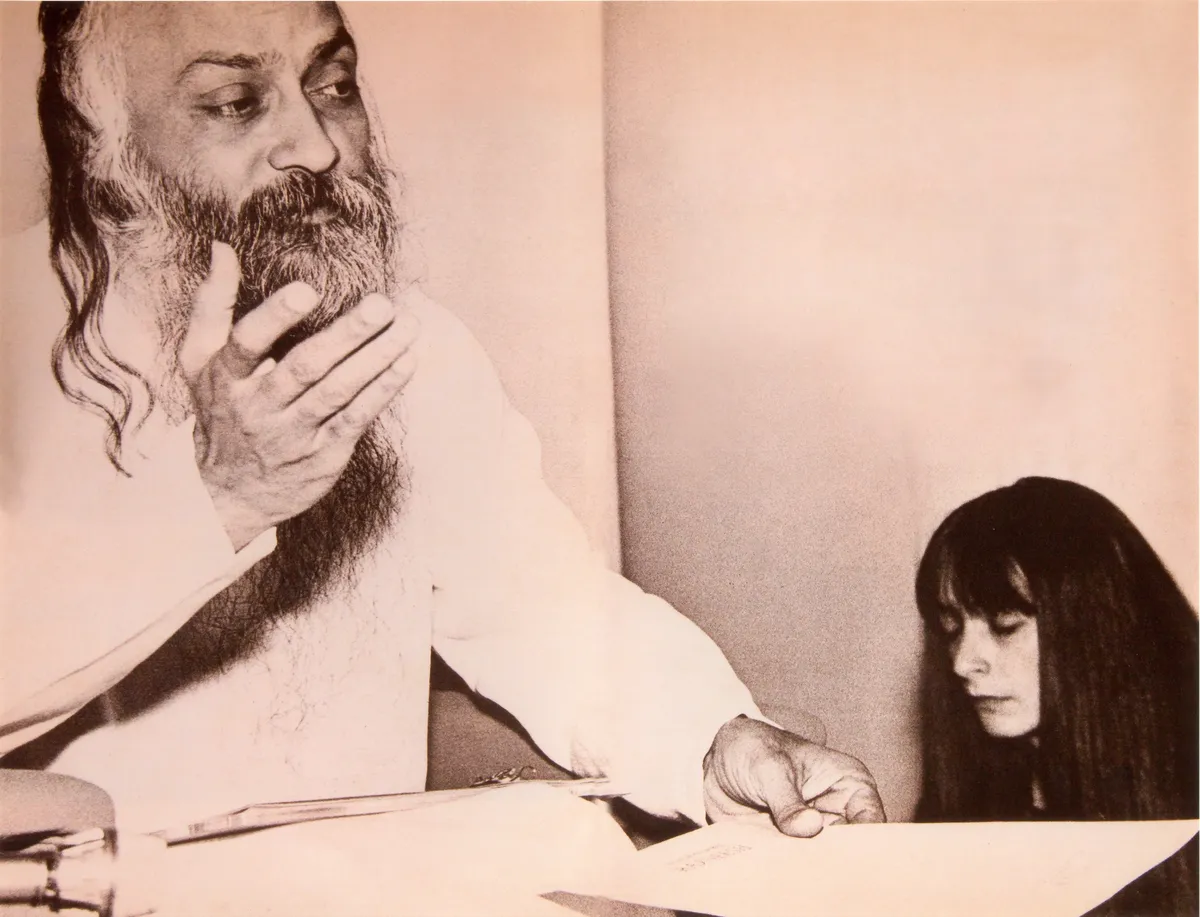
Osho's original Hindi beside Osho Live's English translation, matched passage by passage.
थोड़ी सी बातें कल के सूत्र के संबंध में और।
A few more words in connection with yesterday’s sutra.
जर्मनी के एक बहुत बड़े विचारक रुडोल्फ ओटो ने एक बड़ी महत्वपूर्ण पुस्तक लिखी है--दि आइडिया आफ होली: उस परम पवित्र का प्रत्यय। उसमें एक शब्द का रुडोल्फ ओटो ने बार-बार प्रयोग किया है--ट्रिमेंडम। वह परमात्मा अत्यंत भयंकर है। यम ने भी नचिकेता को परमात्मा भयस्वरूप है, ऐसी दृष्टि दी। यह दृष्टि थोड़ी और गहराई से समझ लेने जैसी है, क्योंकि भ्रांति हो जाने की संभावना है।
A very great German thinker, Rudolf Otto, wrote an important book—The Idea of the Holy. In it he repeatedly uses a word—tremendum: the Divine as the “awful,” the overwhelming. Yama also gave Nachiketa a vision of the Divine as fearsome. This view needs to be understood more deeply, because there is a possibility of misunderstanding.
पहली तो बात यह कि परमात्मा का भयस्वरूप होना, वस्तुतः परमात्मा का स्वरूप नहीं है, वरन हमारा ही भय है। हम भयभीत होते हैं। परमात्मा भयानक है, ऐसा कहने की बजाय, हम भयभीत होते हैं, ऐसा कहना ज्यादा उचित है। और हमारे भयभीत होने का कारण समझ लेना चाहिए। जैसे बूंद सागर में गिरने के पहले डरेगी, क्योंकि सागर में गिरने का अर्थ मिटना है, समाप्त होना है। बूंद का भयभीत होना स्वाभाविक है।
First, that the Divine is fearsome is not really the nature of the Divine; it is our fear. Rather than saying, “God is terrible,” it is more accurate to say, “We are afraid.” And we should understand the cause of our fear. A drop, before falling into the ocean, will tremble, for to fall into the ocean means to cease, to end. The drop’s fear is natural.
सागर से मिलने का अर्थ मृत्यु है। मृत्यु भय देती है। लेकिन अगर बूंद जान पाए कि सागर में मिटने का एक दूसरा पहलू भी है--बूंद की तरह तो बूंद मिट जाएगी, लेकिन सागर की तरह हो जाएगी; क्षुद्र की भांति तो खो जाएगी, लेकिन विराट की भांति हो जाएगी। काश, बूंद को यह दिखाई पड़ सके कि उसकी मृत्यु विराट से मिलन भी है, तो बूंद का भय खो जाए। और अगर बूंद को यह दिख सके कि मेरी मृत्यु परम जीवन का द्वार है, तो बूंद परमात्मा को प्रेमस्वरूप अनुभव कर सके।
To merge with the ocean is to die. Death produces fear. But if the drop could know that there is another aspect to disappearing into the ocean—that as a drop it will vanish, but as the ocean it will be—what is small will be lost, what is vast will be attained—if only the drop could see that its death is also a meeting with the Vast, then its fear would dissolve. And if the drop could see that its death is the doorway to supreme life, then the drop could experience the Divine as love.
परमात्मा भयस्वरूप है या प्रेमस्वरूप, यह हमारी दृष्टि पर निर्भर है। आदमी भी जब परमसत्ता की खोज में जाता है, तो मिटने की घड़ी आती है। वह क्षण आता है, जब स्वयं को खोना पड़ेगा। और जहां भी स्वयं को खोने की बात उठती है, वहां हृदय भय से कंपित हो जाए, स्वाभाविक है।
Whether the Divine appears fearsome or loving depends on our vision. When a person moves in search of the Supreme, the hour comes to disappear. The moment arrives when the self must be lost. And wherever the loss of the self is evoked, it is natural that the heart trembles with fear.
हम मृत्यु से किस लिए डरते हैं? हम मृत्यु से इसीलिए डरते हैं कि वह हमें मिटा देगी। लेकिन मृत्यु भी इस भांति नहीं मिटा पाती, जिस भांति परमात्मा मिटाता है। क्योंकि मृत्यु के बाद भी हम बचेंगे, नई देह लेंगे, नई योनियों में यात्रा करेंगे। हमारी देह ही छूटेगी मृत्यु में, हमारा होना नहीं छूटेगा। लेकिन परमात्मा हमारे होने को भी पोंछ डालेगा। हमारी सब आकृति खो जाएगी उस निराकृति में, उस निराकार में, हमारा सब रूप खो जाएगा। मृत्यु शायद हमारी देह को ही छीनती है, परमात्मा हमारी अस्मिता को, हमारे अहंकार को भी छीन लेगा। वह बड़ी मौत है, वह महामृत्यु है।
Why do we fear death? Because it will erase us. Yet even death does not erase in the way the Divine erases. After death we still remain; we take new bodies, journey into new wombs. In death only the body is dropped; our “being” is not dropped. But the Divine erases our very sense of being—our form dissolves in the formless, our shape in the shapeless; our ego too is snatched away. That is the greater death—the Great Death.
तो जब हम मृत्यु से डरते हैं, तो स्वाभाविक है कि हम परमात्मा से भी डरें। वह डर परमात्मा का स्वभाव नहीं है, हमारे अहंकार का भय है। लेकिन जो मिटने को राजी है, परमात्मा उसके लिए भयस्वरूप नहीं है। जो मिटने को राजी है, परमात्मा उसके लिए प्रेमस्वरूप है।
So if we fear ordinary death, it is natural that we fear the Divine. That fear is not the nature of God; it is the fear of our ego. But for one who is ready to disappear, the Divine is not fearsome; for one ready to disappear, the Divine is love.
इसे हम इस भांति भी समझें। भय के कारण ही लोग प्रेम करने में समर्थ नहीं हो पाते। क्योंकि प्रेम भी मिटाता है, प्रेमी को पोंछ डालता है। उसकी सारी अस्मिता डूब जाती है। और जो प्रेमी अपने प्रेम में अपने को खोने को राजी नहीं है, वह प्रेम को कभी उपलब्ध नहीं हो पाता।
Understand it this way too: it is because of fear that people are unable to love. For love also dissolves; it wipes out the lover. The ego’s very identity drowns. He who is not ready to lose himself in love never attains love.
प्रेम का अर्थ ही है विसर्जन, अपने को डुबाने की तैयारी, मिटाने की तैयारी। प्रेम भी थोड़े अर्थों में अहंकार का विनाश है। भयभीत व्यक्ति प्रेम भी नहीं कर पाता। और जो अपने को खोने को राजी है, उसके जीवन में महाप्रेम का उदय होता है और आनंद की बड़ी वर्षा हो जाती है। तो भय और प्रेम इस बात पर निर्भर हैं कि हम मिटने को राजी हैं या नहीं।
Love means immersion, a preparedness to drown, a willingness to be effaced. Love, in a small way, is the destruction of the ego. The fearful person cannot love. But for one who is ready to lose himself, a great love arises in life, and a great rain of bliss begins. So fear and love depend upon whether we are ready to disappear or not.
ध्यान में जो लोग गहरे जाते हैं, वे एक न एक दिन मेरे पास आकर निश्चित ही कहते हैं कि एक ऐसी घड़ी आ गई थी कि जहां हमें डर लगने लगा कि हम मिट तो न जाएंगे। फिर हम भयभीत होकर वापस लौट आए। वही घड़ी थी, जहां से परमात्मा निकट था। और अनेक ध्यान करने वाले लोग आखिरी क्षण में वापस लौट जाते हैं। छलांग के ठीक पहले, बूंद गिरती सागर में कि वापस हो जाती है। तट से ही वापस हो जाती है। लेकिन सभी को ऐसा होना स्वाभाविक है।
Those who go deep in meditation come to me sooner or later and certainly say, “A moment came when we began to fear that we might cease to be; we were frightened and returned.” That was precisely the moment when the Divine was near. Many meditators turn back at the last moment—just before the leap, the drop is falling into the ocean and then pulls back—returns to the shore. It is natural that this happen to everyone.
ध्यान भी मृत्यु है, क्योंकि ध्यान छलांग है विराट में। जब आपको घबड़ाहट पकड़ ले तब आप समझना कि ठीक क्षण आया, उससे लौटना मत। उस समय ही जो साहस रख पाता है, वही साधक है। उस समय जो डरा, मन में वापस लौट आया, अपने को सम्हाल लिया वापस अपनी स्थिति में, वह एक बड़ा अवसर चूक गया। फिर न मालूम वह अवसर कितने दिनों बाद आए! अगर आप ऐसा कोई अवसर चूक गए हों, तो दुबारा जब अवसर आए तो उसे चूकें नहीं। उसकी ही तो तलाश है, उस मिटने की ही हम खोज कर रहे हैं।
Meditation too is death, for meditation is a leap into the Vast. When panic seizes you, know that the right moment has come; do not turn back then. Only one who can hold courage in that moment is a seeker. The one who is frightened and returns to the mind, re-establishing himself in his former stance, misses a great opportunity. Who knows when that moment will return! If you have missed such a moment, when it comes again, do not miss it. That is what we are seeking—this very disappearance is our search.
लेकिन अहंकार आखिरी समय तक पकड़ता है। और डर, भय मन में पैदा हो जाता है कि मैं मिट तो न जाऊंगा, मैं मर तो न जाऊंगा। उस भय की झंकार में हम वापस अपने शरीर में खड़े हो जाते हैं, फिर से पकड़ लेते हैं किनारे को जोर से कि नदी खो न जाए।
But the ego clutches till the end. Fear arises: “I may be erased, I may die.” Under that reverberation of fear we snap back into the body, we clutch the bank tightly lest the river carry us away.
परमात्मा भयस्वरूप है, क्योंकि परमात्मा महामृत्यु है। लेकिन जितनी बड़ी मृत्यु, उतने बड़े जीवन का उससे जन्म होता है। छोटी मृत्यु से छोटा जीवन पैदा होता है।
The Divine appears fearsome because the Divine is the Great Death. But the greater the death, the greater the birth that comes from it. Small death, small life.
जिस मृत्यु को हम जानते हैं, वह छोटी मृत्यु है, केवल शरीर मरता है। और तो मन भी बचता है, अहंकार भी बचता है, सब बचता है। और बड़ी मृत्यु हो, तो और बड़े जीवन का जन्म है। जितनी मिटने की तैयारी, उतनी ही मात्रा में पुनर्जीवन उपलब्ध होता है। जो पूरी तरह मिटने को राजी है, उसे परिपूर्ण जीवन उपलब्ध हो जाता है।
The death we know is a small death—only the body dies; mind remains, ego remains, everything remains. But with the great death, a greater life is born. The more the readiness to disappear, the more the measure of rebirth. One who is ready to be completely erased attains the perfect life.
जीसस ने कहा है, जब तक तुम अपने को खोओगे नहीं, तब तक तुम उसे नहीं पा सकते हो। और जो अपने को बचाने की कोशिश करेगा, वह खो जाएगा। और जो अपने को खो देगा, वही केवल बच रहता है। जीसस ने बार-बार बीज का उदाहरण लिया है और कहा है, बीज जैसे मिट्टी में खो जाता है तो अंकुरित होता है, ऐसे ही तुम जिस दिन विराट में खो जाओगे, महाजीवन तुम्हारे भीतर जन्मेगा।
Jesus said, “Unless you lose yourself, you cannot find Him. Whoever seeks to save himself will lose himself; whoever loses himself, only he is saved.” Again and again Jesus took the example of the seed: as the seed loses itself in the soil, it sprouts; likewise, the day you lose yourself in the Vast, the great life will be born within you.
उस जीवन का फिर कोई अंत नहीं है। जिसका अंत हो सकता था, उसे तो तुमने खो ही दिया। जो मिट सकता था, उसे तुमने खुद ही छोड़ दिया। सिर्फ वही बच रहा है अब, जो मिट नहीं सकता है। सिर्फ वही बच रहा है, जिसे खोने का कोई उपाय ही नहीं है।
That life then has no end. What could have ended you, you have already lost. What could have perished, you have willingly put aside. Only that remains which cannot be destroyed. Only that remains for which there is no way of losing it.
इसीलिए परमात्मा भयस्वरूप मालूम पड़ता है। लेकिन वह भय हमारा प्रोजेक्शन है। और चूंकि ये वचन मृत्यु के देवता ने कहे हैं, इसलिए ये वचन अधूरे होंगे ही। अगर कोई जन्म का देवता हो तो वह कहेगा, परमात्मा प्रेमस्वरूप है।
This is why the Divine appears fearsome. But that fear is our projection. And since these words are spoken by the god of death, they are inevitably partial. If there were a god of birth, he would say, “The Divine is love.”
इसे भी थोड़ा समझ लें।
Understand this too.
अगर कोई जन्म का देवता हो तो वह कहेगा, परमात्मा प्रेमस्वरूप है। क्योंकि जन्म की प्रक्रिया प्रेम से है; जन्म का अंकुरण प्रेम से है। जीवन की शुरुआत प्रेम से है। जीवन की पहली पुलक, पहली स्फुरणा प्रेम से है। अगर कोई प्रेम का देवता हो तो वह आधी ही बात जानेगा। वह कहेगा, परमात्मा प्रेमस्वरूप है। अगर नचिकेता ने यम से न पूछकर ब्रह्मा से पूछा होता, जो कि जन्म का देवता है, सृष्टि का देवता है, तो परमात्मा भयस्वरूप है, ऐसा वचन नहीं आता; तो परमात्मा होता प्रेमस्वरूप। लेकिन वह भी आधी ही बात होती।
If there were a god of birth, he would say, “The Divine is love,” because the process of birth is through love; the sprouting of life is through love. Life’s first thrill, first pulsation is through love. If there were a god of love, he would know only half; he would declare, “The Divine is love.” Had Nachiketa asked not Yama but Brahma—the god of birth, of creation—then the statement “God is fearsome” would not have come; then God would be love. But that too would be half.
मृत्यु के देवता को सिर्फ मृत्यु का ही अनुभव है। जीवन की पहली झलक का नहीं, आखिरी बुझते हुए दीए का ही अनुभव है। और मृत्यु के देवता ने जब भी किसी को बुझते देखा है, तो उसे भय से कंपते देखा होगा, स्वभावतः। अरबों-खरबों लोग मरे हैं, मृत्यु का देवता उन सबका गवाह है। जिसको भी मिटते देखा है, उसको भय से कंपते देखा है। तो मृत्यु के देवता की यह गवाही अर्थपूर्ण है, लेकिन अधूरी।
The god of death knows only death. He knows not the first dawn of life, only the last dimming flame. Whenever the god of death has seen someone go out, he has seen him trembling with fear—that is natural. Trillions have died, and the god of death is witness to all. Whoever he has seen disappearing, he has seen trembling. So the testimony of the god of death is meaningful—but incomplete.
और मृत्यु का देवता जानता है कि परमात्मा तो महामृत्यु है। जब मेरी मौजूदगी में लोग कंपते हैं और भयभीत होते हैं, और मरना नहीं चाहते और मिटना नहीं चाहते, और हर कोशिश करते हैं बचे रहने की। सब खो जाए, किसी तरह बचे रहें। अंधा हो आदमी, लंगड़ा हो, लूला हो, कोढ़ी हो, बूढ़ा हो, बीमार हो, सड़क पर पड़ा हो, खाने को न हो, कुछ भी न हो, लेकिन तो भी आदमी बचना चाहता है। मरने के लिए कोई भी राजी नहीं होना चाहता। सब खो जाए, सिर्फ श्वास ही चलती रहे। और महानर्क हो, दुख हो, पीड़ा हो, तो भी कोई मरने को राजी नहीं है।
And the god of death knows that the Divine is the Great Death. If in my mere presence people tremble and want not to die, trying every trick to stay—let everything go, somehow let me remain!—blind, lame, maimed, leprous, old, sick, lying in the street with nothing to eat—even so, no one wants to die. Let everything go—only let the breath go on. Even if there is great hell, suffering, pain—yet no one consents to die.
मृत्यु के देवता का यह अनुभव स्वभावतः उसे यह निष्कर्ष देता है कि परमात्मा तो और भी भयस्वरूप होगा। क्योंकि वहां तो सभी कुछ मिट जाता है। वहां तो शून्य ही रह जाता है। जहां आप थे, वहां सिर्फ एक रिक्तता रह जाती है। वह आपको पूरी तरह बहाकर ले जाता है।
From such experience, it is natural for the god of death to conclude that the Divine must be even more fearsome—for there, everything is obliterated. Only emptiness remains where you were. It carries you away completely.
मृत्यु के देवता का वचन है, इसलिए अधूरा है। जन्म का देवता कहेगा, तो भी अधूरा। लेकिन जिन्होंने जन्म और मृत्यु दोनों को जाना है--बुद्धपुरुषों ने--जिन्होंने जन्म और मृत्यु दोनों को जाना है, वे दो बातें कहेंगे। या तो वे कहेंगे कि परमात्मा दोनों है--प्रेमस्वरूप और भयस्वरूप। या वे कहेंगे कि परमात्मा दोनों नहीं है, हमारी दृष्टि के अनुसार हमें प्रतीत होता है, या तो प्रेमस्वरूप, या भयस्वरूप।
Words spoken by the god of death are therefore partial. Words spoken by the god of birth would also be partial. But those who have known both birth and death—the awakened ones—will say two things. Either they will say the Divine is both—both love and fear—or they will say the Divine is neither; it only appears as either, according to our state of mind.
दूसरी बात सत्य के निकटतम है। परमात्मा तटस्थ है। हम उसमें वही देख लेते हैं, जो हमारी मनोदशा होती है। हमारा ही मन, हमारी ही वृत्तियां, हमारे ही विचार, हमारी ही समझ उसको रंग देती है। परमात्मा रंगहीन है, आकारहीन है। न तो भयस्वरूप है और न प्रेमस्वरूप है; तटस्थ है। अगर हम डरते हैं मिटने से, तो भयस्वरूप मालूम होगा। अगर हम तैयार हैं मिटने को, तो प्रेमस्वरूप मालूम होगा।
The second is closer to the truth. The Divine is neutral. We see in it what our mind-state is. Our mind, our tendencies, our ideas, our understanding color it. The Divine is colorless, formless. It is neither fear nor love; it is neutral. If we are afraid of dissolving, it appears fearsome. If we are ready to dissolve, it appears loving.
जीसस को परमात्मा प्रेमस्वरूप मालूम पड़ा। और जीसस ने परमात्मा की परिभाषा में कहा कि वह प्रेम है, क्योंकि जीसस मिटने को तैयार थे। सूली पर हमने अनुभव कर लिया कि जीसस मिटने से जरा भी भयभीत नहीं थे। वे सूली पर मिटने को इतनी आसानी से तैयार थे कि क्रास उनका प्रतीक हो गया। सूली उनकी प्रतीक हो गई। मरने की ऐसी तैयारी थी कि जीसस का प्रतीक सूली हो गई। मृत्यु जैसे स्वीकृत थी, सहज थी। इसलिए जीसस को अगर परमात्मा प्रेमस्वरूप मालूम पड़ा, तो बिलकुल स्वाभाविक है।
To Jesus, the Divine appeared as love. He even defined God as “love,” because Jesus was ready to disappear. On the cross we saw that Jesus was not in the least afraid of dissolving. He embraced dissolution upon the cross so simply that the cross became his symbol. Such was his readiness for death that his symbol became the cross. Death was accepted, natural. Hence if to Jesus God seemed love, it is perfectly natural.
आपका परमात्मा आपके मन का प्रतिबिंब होगा। आपका परमात्मा आपकी ही निर्मिति है। उसका प्रत्यय, उसकी धारणा आप ही करेंगे।
Your God will be a reflection of your mind. Your God is your own creation. You yourself make the conception, the notion.
मेरे देखे परमात्मा दोनों नहीं है। परमात्मा तो एक विराट, निराकार, शून्य जैसा अस्तित्व है। उसमें हम अपने को देख लेते हैं। इसलिए जैसे-जैसे आदमी विकसित होता है, उसका परमात्मा विकसित होता चला जाता है।
As I see, the Divine is neither of the two. The Divine is a vast, formless, void-like existence. In it we see ourselves. Hence as a person evolves, his God evolves.
परमात्मा विकसित नहीं होता, परमात्मा तो जैसा है, है। लेकिन आदमी विकसित होता है, तो परमात्मा विकसित होता चला जाता है--उसकी धारणा, हमारा प्रत्यय, हमारा कनसेप्ट विकसित होता चला जाता है।
God does not evolve; God is as He is. But as man evolves, his notion of God evolves—his conception, his apprehension, develops.
अलग-अलग जातियां परमात्मा की अलग-अलग धारणा करती हैं। अलग-अलग युग परमात्मा की अलग-अलग धारणा करते हैं। अलग-अलग व्यक्ति परमात्मा की अलग-अलग प्रतीति, प्रतिमा निर्मित करते हैं।
Different peoples conceive God differently. Different ages conceive God differently. Different individuals shape different perceptions, different images of God.
परमात्मा एक है, लेकिन सभी उसे अलग-अलग अर्थों में देखेंगे। और जब तक आपको परमात्मा में कोई भी अर्थ दिखाई पड़ता रहे, तब तक आप समझना कि अभी परमात्मा नहीं देखा, अभी आप अपने को ही परमात्मा में झांक रहे हैं।
God is one, but all will see Him differently. And as long as any “meaning” appears to you in God, know that He has not yet been seen; you are still peering at yourself reflected there.
जिस दिन आपको परमात्मा में कोई भी अर्थ न दिखाई पड़े; जिस दिन परमात्मा में कोई प्रतिबिंब न बने, दर्पण बिलकुल कोरा रह जाए; कोई भी दिखाई न पड़े वहां, परम शून्य रह जाए--उस दिन आप जानना कि जो आपने जाना वह अब सत्य है। वह मन का आरोपण नहीं है।
The day no meaning appears in the Divine; the day no image forms, the mirror remains utterly blank—nothing appears there, only the supreme void—on that day know that what you have known is true. It is not a projection of the mind.
इसलिए बुद्ध उस परम सत्य को शून्य कहते हैं। और जब तक वह परम सत्य शून्य की तरह प्रगट न हो जाए, तब तक हम अपने को उस पर आरोपित करते चले जाते हैं। यह स्वाभाविक है मनुष्य के लिए। यम के लिए भी स्वाभाविक है।
That is why Buddha calls the supreme truth shunya—emptiness. Until that supreme truth manifests as emptiness, we will go on projecting ourselves upon it; this is natural to man—and natural even to Yama.
परमात्मा तटस्थ ऊर्जा है, किसी तरफ झुकी हुई नहीं। परमात्मा का होना कोई भी चुनाव से भरा हुआ नहीं है, चुनावरहित है। कोई पक्ष नहीं है उसका। उस अवस्था में किसी तरह का रंग-रूप नहीं है। इसलिए जो भी हम उसमें देखें, इसे स्मरण रखना कि वह देखना हम पर निर्भर है।
The Divine is a neutral energy, leaning to no side. Its being involves no choice—choiceless. It has no party, no position. In that state there is no color, no form. Therefore whatever we see there, remember: the seeing depends on us.
जिस दिन हमें वहां कुछ भी न दिखाई पड़े, एक विराट कोरापन रह जाए--न कृष्ण बनें वहां, न राम बनें वहां, न बुद्ध की प्रतिमा उभरे, न जीसस वहां दिखाई पड़ें; न वहां भय, न वहां प्रेम; वहां कुछ भी न दिखाई पड़े। यह उसी दिन होगा जिस दिन आपका मन इतना निर्विकार हो जाएगा कि उस मन से कोई भी विकार परमात्मा पर प्रतिफलित न हो। जिस दिन आप भीतर शून्य हो जाएंगे, उस दिन परमात्मा शून्य हो जाएगा।
The day nothing at all appears there, a vast blankness remains—no Krishna there, no Rama there, no image of Buddha, no Jesus; neither fear nor love; nothing at all appears—this will happen on the day your mind becomes so stainless that no stain reflects upon the Divine. The day you become inner emptiness, that day the Divine becomes emptiness.
मैं आपसे यह कहना चाहता हूं कि जैसे आप हैं, वैसा ही आपका परमात्मा होगा। यह यम का वक्तव्य है, अधूरा है। ब्रह्मा का वक्तव्य होगा, वह भी अधूरा होगा। दोनों एक-एक छोर से परिचित हैं। एक जन्म के छोर से, एक मृत्यु के छोर से।
I wish to tell you: as you are, so will be your God. This is Yama’s statement—it is partial. Brahma’s statement would also be partial. Each knows one end: one the end of birth, the other the end of death.
लेकिन अगर आप, जो कि दोनों हैं, जन्म भी और मृत्यु भी, जन्मे भी हैं और मरेंगे भी, जो दोनों छोर को छू रहे हैं, स्पर्श कर रहे हैं, अगर आप सजग हो जाएं, तो आप पाएंगे कि परमात्मा तटस्थ है। वह न प्रेमस्वरूप है और न भयस्वरूप है।
But you—who are both, who are born and will die, who touch both ends—if you become aware, you will find that the Divine is neutral. It is neither love nor fear.
अब हम सूत्र में प्रवेश करें।
Now let us enter the sutra.
जैसे दर्पण में सामने आई हुई वस्तु दिखती है, वैसे ही शुद्ध अंतःकरण में ब्रह्म के दर्शन होते हैं।
As an object is seen in a clean mirror, so in a pure antahkaran the vision of Brahman occurs.
शुद्ध अंतःकरण में ब्रह्म के दर्शन होते हैं। जितना शुद्ध होगा अंतःकरण, उतना ही ब्रह्म का दर्शन भी शुद्ध होगा। परम शुद्ध होगा अंतःकरण, तो परम शुद्ध दर्शन होगा। दर्पण विकृत होगा, तो उतने ही विकार प्रतिबिंब में भी हो जाएंगे। दर्पण टूटा-फूटा होगा, तो उतनी ही टूट-फूट प्रतिबिंब में भी हो जाएगी। दर्पण आड़ा-तिरछा होगा, तो वही प्रतिबिंब में भी प्रवेश कर जाएगा।
In a pure antahkaran the vision of Brahman occurs. The purer the inner organ, the purer the vision of Brahman. If the inner organ is perfectly pure, the vision is perfectly pure. If the mirror is distorted, the reflections are distorted; if the mirror is cracked, the reflections are shattered; if the mirror is tilted, the slant enters the image.
दर्पण का परम शुद्ध होना, अंतःकरण का परम शुद्ध होना, ब्रह्म के शुद्ध दर्शन के लिए अनिवार्य है। लेकिन ब्रह्म के दर्शन बहुत तरह से हो सकते हैं। क्योंकि दर्पण बहुत स्थितियों में हो सकता है। ये दर्पण की स्थितियां हैं।
Hence the utter purity of the mirror—of the antahkaran—is essential for a pure vision of Brahman. Yet there can be many kinds of visions, because the mirror can be in many conditions. These are the conditions of the mirror:
जैसे स्वप्न में वस्तुएं स्पष्ट दिखलाई देती हैं, उसी प्रकार पितृलोक में परमेश्वर दिखता है।
As objects appear clear in a dream, so in Pitrlok the Lord appears.
ये लोक प्रतीक हैं अलग-अलग स्थितियों के। पहली तो बात, अगर शुद्ध अंतःकरण हो तो यहीं पृथ्वीलोक पर परमात्मा के सीधे दर्शन हो जाते हैं। अगर अंतःकरण बहुत शुद्ध न हो, तो शरीर के छूटने पर जो लोक है, पितृलोक, जहां देहरहित आत्माओं का वास है, वहां भी परमात्मा के दर्शन होते हैं। शरीर के छूट जाने से, शरीर के कारण जो विकृतियां आती हैं मन पर, वे वहां नहीं होतीं। वहां जो परमात्मा के दर्शन होते हैं, वे इतने स्पष्ट होते हैं, जैसे स्वप्न स्पष्ट होता है।
These lokas symbolize different states. First: if the antahkaran is pure, then even here, on this very Earth-plane, the direct vision of the Divine is possible. If the inner organ is not so pure, then, upon the dropping of the body—Pitrlok, the realm where bodiless souls dwell—there too the Divine is seen. When the body is gone, the distortions the body brings to the mind are absent. There the vision of the Divine is as clear as a dream is clear.
जैसे जल में वस्तु के रूप की झलक पड़ती है, उसी तरह गंधर्वलोक में परमात्मा की झलक सी पड़ती है।
As a flicker of a form appears in water, so in Gandharvalok there is but a glimpse of the Divine.
लेकिन स्वर्ग में, गंधर्वों के लोक में, जैसे जल में झलक पड़ती है किसी वस्तु की, हल्की सी झलक, एक आभास, ऐसा स्वर्गलोक में भी आभास भर मालूम होता है।
But in heaven, in the realm of the gandharvas, as in water where only a faint glimmer of a thing appears—so in heaven there is only a suggestion, an aura.
स्वर्गलोक सुख की उत्तेजना से भरा हुआ लोक है। दुख एक उत्तेजना है, यह हम जानते हैं, सुख भी एक उत्तेजना है, यह हम नहीं जानते हैं। दुख में भी मन विचलित होकर कंपित हो जाता है, सुख में भी मन विचलित होकर कंपित हो जाता है। इसलिए जो लोग आनंद की तलाश में हैं, वे उत्तेजना से मुक्त होना चाहते हैं--वह चाहे दुख की हो और चाहे सुख की हो।
Swargaloka is filled with the excitement of pleasure. We know that sorrow is an excitation; what we do not know is that pleasure too is an excitation. In sorrow the mind trembles and quivers; in pleasure too the mind trembles and quivers. Therefore those who seek bliss seek freedom from excitation—whether of sorrow or of pleasure.
आपको खयाल है कि सुख में भी आप कंप जाते हैं? यह बड़े आश्चर्य की बात है। मेडिकल साइंस का कथन है कि दुख में हृदय का दौरा कम पड़ता है, सुख में ज्यादा पड़ता है। और हार्टफेल के, हृदय-अवरुद्ध हो जाने की घटनाएं दुख में नहीं घटतीं, सुख में घटती हैं। होना नहीं चाहिए ऐसा। उलटा है यह। होना तो यह चाहिए कि दुखी आदमी मर जाए एकदम घबड़ाकर, लेकिन दुखी आदमी नहीं मरता। सुखी आदमी सुख की चोट में मर जाता है।
Have you noticed that pleasure also makes you shake? It is astonishing. Medical science says: heart attacks occur less in sorrow, more in joy. Heart-failure does not happen in grief but in moments of happiness. It should not be so; it is the reverse. One would think the sorrowful die of panic, but they do not. The happy die from the blow of happiness.
इसलिए जितना मुल्क सुखी होता जाता है, उतना हृदय-रोग बढ़ता चला जाता है। गरीब और दुखी मुल्कों में हृदय-रोग नहीं होता। आदिवासियों को हृदय-रोग का पता ही नहीं है। दुख बहुत है, लेकिन हृदय-रोग का पता नहीं है। हृदय-रोग के लिए संपन्न होना जरूरी है, सुखी होना जरूरी है।
Thus the happier a country becomes, the more heart disease increases. In poor and unhappy lands heart disease is rare. Tribals have no notion of heart disease. There is much suffering, yet no heart disease. To get heart disease you need to be affluent, you need to be happy.
चिकित्साशास्त्र का कहना है कि यह बड़ी अनूठी बात है कि सुख में आदमी का हृदय इतना कंप जाता है कि टूट जाता है। दुख में इतना नहीं कंपता। दुख को सहना आसान है, सुख को सहना बहुत मुश्किल है। दुख से तो बहुत लोग बचकर निकल आते हैं। सुख से बचकर निकलने में बड़ी कुशलता चाहिए, नहीं तो आदमी टूट जाता है।
Medicine says it is a strange fact: in happiness the heart trembles so much that it breaks. In sorrow it does not tremble as much. Sorrow is easier to bear; happiness is difficult to bear. Many pass through sorrow; not many pass through happiness unshaken—great skill is needed, otherwise one breaks.
आपको भी खयाल होगा कि अगर सुख की कोई अचानक घटना घट जाए, तो कैसा आघात पहुंचता है। अभी कोई खबर आकर दे दे कि पांच लाख की लाटरी मिल गई। डर यह है कि लाटरी लेने तक आप पहुंच नहीं पाएंगे। एकदम कंप जाएंगे, इतना ज्यादा हो जाएगा। लेकिन पांच लाख रुपये आपके खो जाएं, तो भी आप कंपेंगे, लेकिन इतने नहीं। पांच लाख मिलने से जितना हृदय को धक्का पहुंचने वाला है, उतना पांच लाख खोने से नहीं पहुंचता।
If some sudden good fortune happens, what a shock it gives! If someone arrives and says, “You’ve won five lakh in the lottery,” there is fear you may not live to collect it. You will tremble instantly—too much. But if five lakh are lost, you will tremble too, but not as much. Receiving five lakh hits the heart harder than losing five lakh.
सुख एक तरह की तीव्र उत्तेजना है। गंधर्वलोक, जहां सुख की वर्षा हो रही है...। सिर्फ प्रतीक हैं ये लोक। हममें से कई लोग गंधर्वलोक में हैं, यहीं। कई लोग पितृलोक में हैं, यहीं। कई लोग नर्कलोक में हैं, यहीं। कई लोग ब्रह्मलोक में हैं, यहीं। ये लोक भौगोलिक स्थितियां कम, मनोवैज्ञानिक अवस्थाएं ज्यादा हैं।
Pleasure is a kind of intense excitation. Gandharvalok—where joy showers…these lokas are symbols. Many among us are in Gandharvalok here itself; many are in Pitrlok here; many in Narakalok; many in Brahmalok—here. These are psychological states more than geographical places.
जहां सुख बहुत है, वहां परमात्मा की कभी-कभी आभास की स्थिति भर हो सकती है। क्योंकि दर्पण हमेशा कंपता रहेगा, उत्तेजित रहेगा। इसे आप ऐसा भी समझें: इसीलिए सुखी लोग परमात्मा को भूल जाते हैं। जब आप सुख में होते हैं, तब प्रार्थना, पूजा, मंदिर, सब विस्मृत हो जाते हैं। दुख में होते हैं, तब शायद याद भी आ जाए, सुख में याद भी नहीं आती। दुख से आदमी छूटना चाहता है, तो परमात्मा की तलाश करता है। सुख से छूटना ही नहीं चाहता, तो परमात्मा की तलाश का सवाल क्या है?
Where there is much pleasure, at most a glimmer of the Divine is possible—because the mirror is always trembling, excited. Understand it also this way: this is why happy people forget God. In happiness, prayer, worship, temple—all are forgotten. In sorrow perhaps He is remembered; in happiness even the memory does not arise. From sorrow one wants release—hence the search for God. From happiness one does not want release—so why search for God?
जुन्नैद एक सूफी फकीर हुआ। कभी कोई बीमारी, कभी कोई और बीमारी, कभी फिर कोई और बीमारी उसे पकड़े रहती थी। उसके शिष्यों ने कहा, जुन्नैद, तुम और बीमार रहो! तुम तो परमात्मा को इशारा भी कर दो कि मैं बीमार नहीं होना चाहता, तो बात खतम हो गई। जुन्नैद ने कहा कि मैं उससे यह प्रार्थना ही करता रहता हूं कि तू मुझे एकाध न एकाध बीमारी चलाए रख। तो शिष्यों ने कहा, तुम पागल तो नहीं हो गए हो? यह भी कोई बात हुई!
जुन्नैद ने कहा, बीमारी रहती है तो मैं उसका स्मरण कर पाता हूं। बीमारी दुख बनी रहती है; उस दुख में मैं उसकी प्रार्थना कर पाता हूं। एक बार ऐसा हुआ था कि बहुत दिन तक मैं बीमार नहीं रहा था, तो मैं उसे भूल गया था। तब से मेरी यही प्रार्थना है कि तू मुझे दुख देते रहना।
A Sufi fakir, Junnaid, was always ill—this ailment, then another. His disciples said, “Junnaid, be well! You need only signal to God that you would not be ill, and the matter ends.” Junnaid replied, “I continually pray to Him to keep me in some small ailment or another.” The disciples said, “Have you gone mad? What kind of prayer is this?” Junnaid said, “When illness remains, I can remember Him. In the suffering I can pray. Once I remained healthy for many days, and I forgot Him. Since then my prayer is: keep me in a little pain.”
दुख में तो उसकी स्मृति भी आ जाती है, सुख में उसकी स्मृति खो जाती है। सुख में कभी-कभी उसका कोई आभास मिल जाए तो मिल जाए, जैसे जल में पड़ी हुई कोई झलक।
In sorrow, the memory of Him comes; in happiness it disappears. In happiness, at most, a faint glimmer may be had—like a reflection on water.
लेकिन अगर कोई व्यक्ति विदेह हो जाए, जिसको पितृलोक कह रहा है यम...। विदेह का मतलब जरूरी नहीं है कि आपकी देह छूट ही जाए; जरूरी इतना है कि आपको देह का स्मरण न रहे। इसलिए हमने जनक को विदेह कहा है, जीते-जी। देह का कोई स्मरण नहीं है, देह की कोई प्रतीति नहीं है। जैसे देह है या नहीं है, कोई फर्क नहीं है; देह भूल गई है।
But if someone becomes videha—which Yama calls Pitrlok… Videha does not necessarily mean your body has dropped; it is enough that the memory of the body has dropped. Hence we called King Janaka videha while alive. No memory of body, no sense of body—whether the body is or is not makes no difference; the body is forgotten.
तो ऐसी विदेह अवस्था में उसकी झलक इतनी साफ होती है, जैसे स्वप्न में चीजें साफ होती हैं। लेकिन स्वप्न में, आंख बंद करके उसके विजन हैं, उसकी प्रतीतियां होती हैं। लेकिन आंख खोलते ही उसकी प्रतीतियां खो जाती हैं। स्वप्न जैसी।
In such videha-hood the glimpse is as clear as things appear in a dream. But in dream the eyes are closed; there are visions, perceptions. The instant the eyes open, those perceptions vanish—like a dream.
और ब्रह्मलोक में तो छाया और धूप की भांति आत्मा और परमात्मा दोनों का स्वरूप पृथक-पृथक स्पष्ट दिखाई देता है।
And in Brahmalok, like shade and sunlight, the forms of the self and the Supreme Self appear distinct and clear.
तो एक विदेह अवस्था है, जहां स्वप्न जैसी स्पष्ट प्रतीति होती है। पर बस, स्वप्न जैसी, आंख खोलते ही खो जाती है। संसार के दिखाई पड़ते ही धूमिल हो जाती है।
So there is a videha state, where the perception is dream-clear—but dream-clear; it vanishes upon “opening the eyes,” fades as the world appears.
एक दूसरी अवस्था है, जहां सुख की उत्तेजनाओं से भरा हुआ चित्त है, वहां सिर्फ कभी उसकी आभास, भनक, दूर से आती हुई ध्वनि की तरह सुनाई पड़ती है। या पानी में पड़े हुए प्रतिबिंब की तरह। और पानी तो प्रतिपल कंप रहा है। प्रतिबिंब कभी भी थिर नहीं हो पाता।
A second state: where the mind is full of the excitations of pleasure—there only a hint, a whiff, a distant sound of Him is heard. Or like a reflection in quivering water—the water quivers each moment; the reflection cannot be steady.
तीसरी ब्रह्मलोक की अवस्था है। उस अवस्था का नाम ब्रह्मलोक है, जब आप सब भांति शुद्ध हैं, अंतःकरण पूरी तरह शुद्ध है, ब्रह्म जैसे हो गए हैं। कोई विकार नहीं है, वहां चीजें बिलकुल दो और दो की तरह साफ हो जाती हैं। वहां स्वप्न की तरह साफ नहीं होतीं, वहां जागृति की तरह साफ हो जाती हैं, जैसे जागने में सब साफ दिखाई पड़ रहा हो। यह जो अवस्था है ब्रह्मलोक की, अंतःकरण की शुद्धता की आखिरी ऊंचाई है।
The third is the state of Brahmalok. That state is called Brahmalok when you are pure in every way—your antahkaran completely pure—almost Brahman-like. No distortion. There, things become as clear as two plus two—clear as in waking, not as in dream. This state—Brahmalok—is the ultimate height of inner purity.
यह अंतःकरण क्या है, इसे हम थोड़ा समझ लें। क्योंकि जिसे हम अंतःकरण समझते हैं, वह अंतःकरण है ही नहीं। अंतःकरण के साथ बड़ी भूल-चूक जुड़ी हुई है। अंग्रेजी में शब्द है कान्शीयन्स, संस्कृत का शब्द है अंतःकरण।
आप चोरी करने जाते हैं। भीतर से कोई आवाज आती है, चोरी बुरी है, मत करो। इसे हम अंतःकरण कहते हैं। यह अंतःकरण नहीं है, यह स्यूडो कान्शीयन्स है, यह मिथ्या अंतःकरण है। यह समाज के द्वारा सिखाया हुआ है, यह आपका नहीं है। क्योंकि ऐसी जातियां हैं, जो चोरी को पाप नहीं मानतीं। बल्कि ऐसी जातियां हैं, राजस्थान में भी जाटों का समूह है, जो सैकड़ों वर्षों से चोरी को पाप नहीं मानता रहा है। बल्कि पुराने दिनों में जाट युवक की शादी ही नहीं हो सकती थी, जब तक वह दो-चार चोरी नहीं कर ले और सफल न हो जाए। युवक की शादी करते वक्त पूछते थे कि वह कितनी चोरियों में सफल हो चुका! वह उसकी कुशलता का प्रमाण था।
What is this antahkaran? We must understand. What we commonly call “conscience” is not antahkaran. In English there is the word “conscience”; in Sanskrit, antahkaran. You go to steal; a voice within says, “Stealing is bad—don’t.” We call this antahkaran. It is not. It is pseudo-conscience—implanted by society; it is not yours. There are tribes which do not regard stealing as sin. In Rajasthan there are Jat clans which for centuries did not count theft as sin. In olden times a Jat youth could not be married unless he had pulled off some successful thefts; at marriage they would ask: how many thefts has he accomplished? It was proof of skill.
चोरी कुशलता तो है ही। हर कोई नहीं कर सकता। थोड़ी बुद्धि चाहिए। बुद्धू के बस का काम नहीं है। और बुद्धि प्रखर चाहिए। फिर साहस भी चाहिए, भीरु का धंधा नहीं है वह। कमजोर की वहां गति नहीं है। कमजोर तो अपनी ही संपत्ति हाथ में लेते कंपता है। दूसरे की संपत्ति को अपनी की तरह मान लेने के लिए बड़ा कड़ा हृदय चाहिए। अपने ही घर में अंधेरे में चलना मुश्किल हो जाता है, दूसरे के घर में अंधेरे में चलने के लिए कदमों में आंखें चाहिए। और बड़ा निष्कंप हृदय चाहिए कि कंपे नहीं। एक तरह की एकाग्रता भी चाहिए।
Theft demands skill—everyone cannot do it. Intelligence is needed—sharp intelligence. Courage too; the timid cannot. Even taking one’s own property with a steady hand is hard; to take another’s as one’s own demands a very hard heart. To walk in the dark of one’s own house is hard; to move in another’s in darkness requires eyes in your feet. And a heart that remains without a tremor. A kind of one-pointedness is required.
चोर बड़ा एकाग्र होता है। उसका मस्तिष्क एक ही बिंदु पर टिका रहता है। अगर चोर का मन बहुत ज्यादा यहां-वहां भटके, तो मुसीबत में पड़ जाएगा। एक लक्ष्य और सारी प्राण-ऊर्जा उसी तरफ बहती है।
A thief is very concentrated; his mind rests on one point. If his mind wanders, he will land in trouble. One target, and all life-energy flows in that direction.
तो चोरी सभी समाजों में बुरी नहीं रही है। तो जिस समाज में चोरी बुरी नहीं है, उस समाज में चोरी करते वक्त कभी भी यह खयाल पैदा नहीं होगा, कोई अंतःकरण नहीं कहेगा कि रुको।
Thus theft was not bad in every society. In a society where theft is not bad, never will the thought arise “stop” while stealing; no “conscience” will say it.
हिंदू है। एक पत्नी के रहते दूसरा विवाह करे तो भीतर से अंतःकरण कहता है कि पाप कर रहे हो, बुरा कर रहे हो। मुसलमान चार को करे, कोई दिक्कत नहीं मालूम होती। कुरान आज्ञा देती है: चार विवाह कर सकते हो। मुहम्मद ने खुद नौ विवाह किए। जरा भी चिंता नहीं होती। पर इससे आप ऐसा मत सोचना कि मुहम्मद ने बहुत बुरा किया।
A Hindu, if he marries a second wife while the first is alive, his inner conscience says, “Sin, wrong.” A Muslim may marry four—no problem; the Quran permits four. Muhammad himself married nine. Not a worry. Do not think Muhammad did badly.
अपने कृष्ण की कथा आप स्मरण रखना। मुहम्मद तो कुछ भी नहीं हैं, उस हिसाब में। लेकिन कृष्ण की हमने कभी निंदा नहीं की है। सोलह हजार रानियों की कथा है। यह हमें कहानी मालूम पड़ सकती है कि सोलह हजार! एक स्त्री इतना उपद्रव खड़ा कर सकती है! कृष्ण बड़ी हिम्मत के आदमी रहे होंगे! लेकिन उस समाज में कोई अस्वीकृति नहीं थी। सम्राट सैकड़ों विवाह करते ही थे।
Remember our Krishna: compared to him, Muhammad is nothing. Yet we never condemned Krishna; there is the story of sixteen thousand queens. You may call it a fable—sixteen thousand! One woman can stir so much trouble—Krishna must have been brave! But in that society there was no disapproval. Emperors routinely had hundreds of wives.
अभी निजाम हैदराबाद की पांच सौ पत्नियां थीं। जिस दिन भारत आजाद हुआ, उस दिन पांच सौ पत्नियां थीं। बीसवीं सदी में पांच सौ पत्नियां हो सकती हैं, तो कोई ज्यादा बड़ी संख्या नहीं है, सिर्फ बत्तीस गुनी, सोलह हजार। कोई बहुत बड़ा मामला नहीं है। कहानी बनाने की जरूरत नहीं है। यह हो सकता है। लेकिन कोई अड़चन नहीं थी। समाज की धारणा ही यही थी कि सम्राट की पत्नियां ज्यादा होंगी ही।
असल में जितना बड़ा सम्राट, उसका प्रमाण ही एक था कि कितनी पत्नियां! वह उसकी संपदा का गणित था कि कितनी पत्नियां! गरीब आदमी एक ही पत्नी नहीं रख सकता। पत्नी रखना खर्चीला मामला है। सभी एफोर्ड नहीं भी कर सकते। तो जितना बड़ा सम्राट, उतनी पत्नियां, यह स्वीकृत मान्यता थी।
Even in the twentieth century the Nizam of Hyderabad had five hundred wives. If in the twentieth century a man could have five hundred, then sixteen thousand—only thirty-two times that—need not be exaggerated; no need to call it a story. It is possible. But no obstacle existed; the social view was that an emperor would have many wives. In fact, the measure of an emperor’s grandeur was how many wives; it was the arithmetic of his wealth. A poor man cannot maintain even one wife. Keeping a wife is expensive—not all can afford it. Thus, the greater the emperor, the more the wives—it was accepted.
तो कोई अड़चन नहीं होती थी किसी सम्राट को हजारों शादियां कर लेने में। कोई भाव भी नहीं उठता था। अंतःकरण कभी नहीं कहेगा कि यह तुम क्या कर रहे हो। या इसमें कुछ पाप है। इस बात पर निर्भर करता है कि समाज ने क्या सिखाया है।
Hence no obstacle stood in the way of an emperor marrying thousands. No feeling of guilt arose; no “conscience” said, “What are you doing?” It depends on what society teaches.
जुआ स्वीकृत था, तो युधिष्ठिर जुआ खेलते रहे। लेकिन हमने कभी उनको धर्मराज के पद से नीचे नहीं उतारा। आज अधार्मिक आदमी भी जुआ खेलता है तो अंतःकरण में चोट पड़ती है। युधिष्ठिर को जरा भी न पड़ी! और जुआ कोई साधारण नहीं था, सब तो लगाया ही, पत्नी भी लगा दी। अभी आप जरा पत्नी को लगाकर देखें। छाती साथ नहीं देगी, अंतःकरण इनकार करेगा। लेकिन युधिष्ठिर को बिलकुल भी नहीं किया। और युधिष्ठिर के पीछे लिखने वालों ने कभी भी एतराज नहीं उठाया। उनके धर्मराज होने में कोई शंका पैदा नहीं हुई।
Gambling was accepted; Yudhishthira gambled. We never stripped him of the title “Dharmaraj.” Today even an irreligious man who gambles feels a pang in his conscience; Yudhishthira felt none. And the gambling was no small thing—he staked everything, even his wife. Try staking your wife today—your chest will not support you; “conscience” will refuse. But Yudhishthira felt nothing—and those who wrote after him raised no objection. No doubt arose about his being Dharmaraj.
समाज को स्वीकार था, जुआ एक खेल था। और जितने बड़े खिलाड़ी थे, उतने बड़े दांव थे। युधिष्ठिर बड़े खिलाड़ी थे, पत्नी को भी दांव पर लगाने की हिम्मत उन्होंने जुटाई। इसमें कहीं कोई नीति-निषेध नहीं था। इसमें कोई कठिनाई नहीं आ रही थी।
Society accepted it; gambling was a game, and the greater the player, the greater the stakes. Yudhishthira was a great player; he had the courage to stake his wife. There was no moral prohibition, no difficulty.
द्रौपदी के पांच पति हैं। लेकिन हमने द्रौपदी को पांच महाकन्याओं में गिना है। जिन्होंने पांच महाकन्याओं में गिना, उनकी मान्यता और रही होगी। हम अगर आज एक स्त्री के पांच पति हों तो उसे कहां रखेंगे? उसे हम पांच प्रातः स्मरणीय कन्याओं में नहीं गिन सकते। लेकिन जिन्होंने गिना है, उन्हें कोई अड़चन न थी। पांच पति हो सकते थे। पांच पत्नियां हो सकती थीं, पांच पति हो सकते थे। बहुपत्नी, बहुपति प्रथा स्वीकृत थी, तो अंतःकरण में कोई चोट नहीं थी।
Draupadi had five husbands. Yet we count her among the five great maidens. Those who counted thus had a different understanding. Today, where would we place a woman with five husbands? We would not count her among the five maidens to be remembered at dawn. But those who counted saw no obstacle—five husbands could be; as five wives could be, five husbands could be. Where polygyny and polyandry are accepted, “conscience” takes no wound.
यह जो अंतःकरण है, यह समाज पर निर्भर है। यह जो अंतःकरण है, यह वास्तविक अंतःकरण नहीं है, यह समाज के द्वारा आरोपित है, प्लांटेड है। यह ऊपर से थोप दिया गया है। इस अंतःकरण की शुद्धि से परमात्मा का कोई संबंध नहीं। जिस अंतःकरण की बात उपनिषद कह रहे हैं, उसका अर्थ है...।
This so-called conscience depends on society; it is not the true antahkaran. It is socially implanted, imposed from above. The purification of this “conscience” has nothing to do with the Divine. By antahkaran the Upanishad means something else.
हमारे पास जितनी इंद्रियां हैं वे बहिर्करण हैं, उनके द्वारा बाहर का ज्ञान होता है। अंतःकरण वह है, जिसके द्वारा भीतर का ज्ञान होता है। जिसके द्वारा चेतना भीतर सजग होती है। इस भीतर के ज्ञान वाली स्थिति को, जिसको हम विवेक कह रहे हैं, प्रज्ञा कह रहे हैं, उसी का एक नाम अंतःकरण है।
Our senses are bahirkaran—outer instruments—through which we know the outside. Antahkaran is that by which we know within, by which consciousness becomes alert inwardly. This inward-knowing, which we call vivek, prajna—one of its names is antahkaran.
इस भीतर की प्रज्ञा को निखारने की जो व्यवस्था है, वह समाज के अंतःकरण के अनुकूल चलने से नहीं उपलब्ध होने वाली है। न ही प्रतिकूल चलने से उपलब्ध होने वाली है। इसका यह मतलब नहीं है कि आप समाज जो कहता है, उसको इनकार करके व्यर्थ उपद्रव में पड़ें। उसकी भी कोई जरूरत नहीं है। वह एक समझौता है। वह समाज में जीने की एक व्यवस्था है।
The polishing of this inner prajna is not attained by merely conforming to social conscience—nor by rebelling against it. I do not mean you should create needless disturbances by opposing society. That is not needed. It is a compromise, a way to live in society.
जहां इतने लोग एक बात को मानकर चल रहे हैं, वहां चुपचाप उनकी बात मान लेने से कम उपद्रव होता है। और आप अपने भीतर की यात्रा पर आसानी से जा सकते हैं। अन्यथा व्यर्थ की छोटी-छोटी बातों में उलझाव खड़ा हो जाएगा और बाहर अटकाव हो जाएगा।
Where so many hold to one thing, quietly moving with them creates less trouble, and you can journey inward more easily; otherwise useless entanglements arise in small matters, and you get stuck outside.
अगर साधुपुरुषों ने समाज की मान्यता स्वीकार की है, तो इसलिए नहीं कि वह ठीक है, बल्कि इसलिए कि उससे शांति में जाना आसान है। इस बात को ठीक से समझ लें। अगर साधुपुरुषों ने समाज की सारी व्यवस्था स्वीकार कर ली, तो इसलिए नहीं कि वह बिलकुल ठीक है। कोई समाज की व्यवस्था बिलकुल ठीक नहीं है। और बिलकुल ठीक समाज की व्यवस्था हो भी नहीं सकती। क्योंकि जब तक सारे व्यक्ति ठीक न हों, तो उनके जोड़ के ठीक होने का कोई उपाय नहीं है।
If sages have accepted social norms, it is not because they are right but because peacefulness makes the inward journey easier. Understand this well. If sages have accepted the arrangements of society, it is not because they are perfect—no social arrangement is perfect, nor can it be. Until all individuals are whole, there is no way for their sum to be whole.
समाज तो अनिवार्यरूप से गलत है और गलत रहेगा। बस, कम गलत होता जाए इतनी ही आशा करनी काफी है। केवल व्यक्ति ही पूरा ठीक हो सकता है, समाज तो भीड़ है। और जैसे पानी अपना तल बना लेता है, ऐसे ही भीड़ भी अपना तल बना लेती है। भीड़ हमेशा अपने निम्नतम व्यक्ति के तल पर उतर जाती है।
Society, inevitably, is flawed and will remain so; we can only hope it becomes less flawed. Only the individual can become wholly right; society is a crowd. As water finds its own level, so the crowd finds its level—always settling to the level of its lowest members.
समाज की धारणाएं सही हैं या गलत, यह महत्वपूर्ण नहीं है। साधुपुरुष उनको स्वीकार कर लेता है, सिर्फ इसलिए ताकि बाहर कोई उपद्रव खड़ा न हो और वह भीतर की यात्रा पर सुगमता से जा सके।
Whether society’s beliefs are right or wrong is not crucial. The sage accepts them so that no outer disturbance arises and he may move inward smoothly.
लेकिन यह अंतःकरण जीवन की चरम बात नहीं है। अंतःकरण तो भीतर की उस चेतना शक्ति का नाम है, जिससे हम बाहर नहीं देखते बल्कि भीतर देखने में समर्थ हो जाते हैं।
But this antahkaran is not life’s ultimate. Antahkaran is the name of the inner conscious capacity by which we see within rather than without.
आप आंख बंद करते हैं, तो भीतर अंधेरा हो जाता है। उस अंधेरे में भी कोई जानता हुआ मालूम पड़ता है। आप कान बंद कर लें, तो भीतर सन्नाटे की आवाज आने लगती है। लेकिन उस सन्नाटे की आवाज में भी कोई सुनता हुआ मालूम पड़ता है।
Close your eyes and within there is darkness; yet in that darkness there seems to be someone who knows. Close your ears and an inner silence-sound begins, and even in that you sense a listener.
यह जो भीतर जानता हुआ, सुनता, देखता हुआ मालूम पड़ता है, यह आपका अंतःकरण है। और इसको जितना आप प्रगाढ़ करते जाएं...। पहले तो बहुत धीमी झलक उसकी मिलेगी। क्योंकि हम बाहर देखने के इतने आदी हो गए हैं कि आंखें हमारी बाहर के लिए नियोजित हो गई हैं। अचानक भीतर आंख बंद करते हैं तो कुछ दिखाई नहीं पड़ता।
This inner knower, inner seer-listener—this is your antahkaran. Deepen it. At first its glimpse will be very faint, because we are so habituated to looking outward that our eyes have been harnessed for the outside. Suddenly we close them and nothing is seen.
यह ठीक वैसे ही है, जैसे आप सूरज की रोशनी से एकदम अंधेरे कमरे में आ जाएं तो आपको कुछ दिखाई नहीं पड़ता। लेकिन थोड़ा बैठें। थोड़ी ही देर में आंखें अपने फोकस को बदल लेती हैं। वह कमरे के लिए एडजस्ट होती हैं, समायोजित होती हैं। फिर जितना अंधेरा दिखाई पड़ता था, उससे कम अंधेरा दिखाई पड़ता है। फिर आप बैठे ही रहें, चुपचाप कमरे के साथ एक होते जाएं। थोड़ी देर में कमरा प्रकाशित मालूम होने लगता है। अंधेरे से अंधेरे कमरे में भी अगर आप राजी होकर बैठें, तो थोड़ी देर में थोड़ा-थोड़ा दिखाई पड़ना शुरू हो जाता है। लेकिन हम अपने भीतर के अंधेरे कमरे में कभी बैठते ही नहीं। कभी थोड़ी-बहुत आंख बंद करते हैं...।
It is as when you step from sunlight into a dark room—at first you see nothing. Sit a while; the eyes change their focus, adjust to the room. The darkness seems less. Sit longer, become one with the room. Soon the room seems lit; even in the darkest room, if you consent to sit, after a while things begin to be seen. But we never sit in our inner dark room. We close our eyes for a moment perhaps…
मेरे पास लोग आते हैं, वे कहते हैं कि क्या आप कहते हैं भीतर देखें, भीतर देखें! आंख बंद करते हैं, वहां तो कुछ दिखाई नहीं पड़ता।
People come to me and say, “You say look within, look within. We close our eyes and there is nothing to see.”
आप जन्मों-जन्मों से बाहर देख रहे हैं। अनंत-अनंत काल से बाहर देख रहे हैं। इतने काल के बाद जब आप भीतर जाएंगे, तो अंधेरा तो दिखाई पड़ेगा। इसका यह मतलब नहीं है कि वहां अंधेरा है। आप जिस रोशनी को देखने के आदी हो गए हैं, वह रोशनी वहां नहीं है। वहां और तरह की रोशनी है। उस और तरह की रोशनी के लिए थोड़ा धीरज रखना जरूरी है।
For lives upon lives you have looked without—since beginningless time. After so long, when you enter within, darkness will appear. It does not mean darkness is there; rather, the kind of light you are used to is not there. Another kind of light is there, and for that another kind of patience is needed.
इतना ही एक आदमी कर ले कि रोज एक घंटा आंख बंद करके बैठ जाए और भीतर देखता रहे, चाहे कुछ दिखे और चाहे न दिखे। तीन महीने के भीतर पाएगा कि भीतर रोशनी मालूम पड़ने लगी। सिर्फ एक घंटा। इतनी प्रतीक्षा ही करे--कुछ न करे।
If one would do just this: sit each day for one hour with eyes closed, looking within—whether anything appears or not—within three months he will find an inner luminosity. Only one hour—such a little waiting, doing nothing else.
लेकिन हमारे पास धैर्य इतना कम है, जिसका हिसाब नहीं। धैर्य है ही नहीं। एक आदमी बैठता है दो मिनट आंख बंद करके, तो कहता है: कुछ भी सार नहीं है। कुछ दिखाई भी नहीं पड़ता। न कोई आत्मा है, न कोई ब्रह्म के दर्शन होते हैं! छोड़ो भी। इतनी देर में तो रेडियो से न्यूज ही सुन लेते, कि एक दफा अखबार फिर से पढ़ लेते!
But we have so little patience—no patience at all. A man sits for two minutes and says, “No use! Nothing appears. No soul, no vision of Brahman—forget it. In that time I could at least listen to the news or read the paper again!”
धैर्य बिलकुल नहीं है। पेशेन्स जैसी कोई चीज नहीं है। और इस भीतर की यात्रा में धैर्य तो आत्मा है। सारे प्रयत्न की आत्मा धैर्य है।
Patience is absent. Yet in the inner journey, patience is the very soul of all effort.
आप कुछ भी न करें अगर, इतना ही कर लें कि रोज एक घंटा आंख बंद करके बैठ जाएं, चाहे कुछ हो, चाहे कुछ न हो। बस भीतर देखने की कोशिश करते रहें, टटोलते रहें। आप थोड़े ही िदनों में पाएंगे कि अंधेरा उतना घना नहीं है, जितना आपको लगता था। थोड़ी-थोड़ी रोशनी प्रगट होने लगी। चीजें थोड़ी साफ होने लगीं। तीन महीने निरंतर धैर्यपूर्वक देखने पर आपको पहली दफा अंतःकरण समझ में आएगा कि क्या है।
Do nothing else: sit every day for one hour with eyes closed; whether anything happens or not, keep trying to look within, to feel your way. In a few days you will find the darkness is not as dense as you thought. A little light appears; things begin to grow clearer. After three months of patient looking, for the first time you will understand what antahkaran is.
अंतःकरण का मतलब है: भीतर की इंद्रिय, जो भीतर देखने में समर्थ है। करण का अर्थ होता है, इंद्रिय, उपकरण; और अंतः का अर्थ होता है, भीतर की ओर ले जाने वाली।
Antahkaran means the inner sense that can see within. Karana means instrument; antah means that which leads inward.
हमारी बाकी इंद्रियां बहिर्करण हैं। भीतर की तरफ ले जाने वाली इंद्रिय हम उपयोग ही नहीं कर रहे हैं। और ध्यान रहे, जिस इंद्रिय का उपयोग नहीं होता, वह अपनी लोच की क्षमता खो देती है। आप एक सालभर पैर बांधकर बैठ जाएं और उपयोग न करें। फिर पैर चल नहीं सकेंगे। पैर चल सकते थे पहले, लेकिन सालभर जड़ बने रहे तो फिर चल नहीं सकेंगे। आप जिन-जिन चीजों का उपयोग नहीं करेंगे, वे-वे चीजें जड़ हो जाएंगी।
Our other senses are outer instruments. The inner sense we are not using. Note: whatever sense is not used loses its elasticity. Bind your legs for a year; afterward you will not be able to walk. They could once walk, but if they lie inert for a year, they will not. Whatever you do not use becomes inert.
उपयोग जीवन का हिस्सा है, उससे चीजें सजग रहती हैं। हमने बहुत-सी चीजों का उपयोग बंद कर दिया है, वे समाप्त हो गई हैं। और अंतःकरण का उपयोग तो हमने न मालूम कितने जन्मों से नहीं किया है। किया ही नहीं।
Use is part of life; through it things remain alert. We have stopped using many capacities; they have withered. And we have not used the antahkaran for who knows how many lives—perhaps never used it.
तो इसलिए थोड़ी प्रतीक्षा, धैर्य अत्यंत आवश्यक है। जो पैर बहुत दिन से न चला हो, उसकी मसाज भी करनी पड़ेगी, उसे चलाने के थोड़े से अभ्यास भी करने पड़ेंगे। और धीरे-धीरे ही उसमें गति होगी, खून दौड़ेगा, प्राण आएंगे। ठीक वैसी ही स्थिति अंतःकरण की है।
Thus a little waiting, patience, is essential. Legs that have not walked need massage, a little practice; slowly life returns, blood runs, prana flows. So with antahkaran.
यम नचिकेता से कह रहा है--शुद्ध अंतःकरण। जिस दिन यह भीतर की इंद्रिय पूर्ण शक्तिवान हो जाती है और देखने में समर्थ हो जाती है, और इसका प्रत्यक्ष शुद्ध हो जाता है, चीजें साफ होने लगती हैं--इस शुद्धता की आखिरी अवस्था में ब्रह्मलोक है, जहां आप ब्रह्म जैसे हो जाते हैं। वहां दो और दो चार, ऐसा जाग्रत में साफ हो जाए, स्वप्न में नहीं। प्रतिबिंब में नहीं, सीधा प्रत्यक्ष हो जाए, साक्षात्कार, वैसी सत्य की प्रतीति होती है।
Yama says to Nachiketa—pure antahkaran. The day this inner sense becomes fully potent and capable of seeing, and its perception becomes pure—things begin to be clear—at the final purity is Brahmalok, where you become Brahman-like. There, not as in dream; not as reflection; but as direct seeing—sakshatkar—the truth is realized.
अपने-अपने कारण से भिन्न-भिन्न रूपों में उत्पन्न हुई इंद्रियों की जो पृथक-पृथक सत्ता है और जो उनका उदय और लय हो जानारूप स्वभाव है, उसे जानकर आत्मा का स्वरूप उनसे विलक्षण समझने वाला धीर पुरुष शोक नहीं करता।
Knowing that the senses—sprung in various forms for various reasons—have separate powers and arise and subside, the steadfast one who sees the form of the Self as distinct from them does not grieve.
और जैसे-जैसे अंतःकरण शुद्ध होगा, वैसे-वैसे आपको दिखाई पड़ेगा कि बाकी इंद्रियों की सारी शक्ति उसी में लीन होती जा रही है। जैसे-जैसे अंतःकरण सजग होगा, बाकी इंद्रियों की जो बहती हुई ऊर्जा है, जो व्यर्थ उनसे लीकेज--उनसे व्यर्थ शक्ति बाहर जा रही थी--वह सब की सब अंतःकरण को उपलब्ध होने लगी। और एक घड़ी आती है, जब सारी बहिईंद्रियां अपनी पूरी ऊर्जा को अंतःकरण में ही लीन कर देती हैं, उसी में डूब जाती हैं। कान, आंख, जीभ, नाक--सब उसी में डूब जाते हैं।
And as the antahkaran is purified, you will see that the energies of the other senses begin to subside into it. The leaking energies of the senses, the wasted outflow, become available to the antahkaran. A moment comes when all the outer senses pour their entire energy into the antahkaran and dissolve into it—ear, eye, tongue, nose, all sink into it.
डूब जाने का अर्थ है कि गंध की जो क्षमता नाक में थी, वह अंतःकरण को उपलब्ध हो जाती है। आंख की जो क्षमता आंख में थी देखने की, वह अंतःकरण को उपलब्ध हो जाती है। अब तो वैज्ञानिक भी इससे किसी दूसरे अर्थ में राजी हैं।
To “sink” means: the capacity for fragrance that was in the nose becomes available to the antahkaran; the capacity for seeing that was in the eyes becomes available to the antahkaran. Even scientists, in their own way, now agree.
आप जानते हैं कि अंधा आदमी आपसे ज्यादा अच्छी तरह से सुनने लगता है। इसलिए अंधा संगीतज्ञ हो सकता है--आपसे ज्यादा अच्छा। क्या कारण है? क्योंकि आंख की ऊर्जा कान को उपलब्ध हो जाती है। ट्रांसफर हो जाती है। आंख काम नहीं कर रही है तो जो ऊर्जा आंख से बाहर जाती है... और अस्सी प्रतिशत ऊर्जा आंख से बाहर जा रही है शरीर की। आप अपनी आंखों के दुरुपयोग के कारण जितना थकते हैं, उतना और किसी चीज के कारण नहीं थक रहे हैं।
You know that a blind man hears better than you. Hence a blind man can be a superior musician. Why? Because the energy of the eyes becomes available to the ears—transfers. When the eyes do not function, the energy that was flowing through them—eighty percent of bodily energy flows out through the eyes—no other misuse tires you as much as that of the eyes.
अमेरिका में नई खोजें कह रही हैं कि टेलीविजन कैंसर का मूल आधार बनता जा रहा है। क्योंकि टेलीविजन आंख को बुरी तरह थकाने वाला है, जैसी और कोई चीज नहीं थका सकती। अमेरिका में डर पैदा हो रहा है, टेलीविजन का जैसा विस्तार हुआ है, वह पूरे जीवन को रुग्ण किए दे रहा है। और टेलीविजन इतना विक्षिप्त कर देता है छोटे-छोटे बच्चों को भी कि वे दिनभर देख रहे हैं। जब भी उनको मौका है, तब वे टेलीविजन पर अटके हुए हैं! न उन्हें खेलने में रस है, न कहीं बाहर जाने में। सब कुछ टेलीविजन हो गया है।
New research in America suggests television is becoming a primary basis for cancer, because nothing exhausts the eyes like television. There is fear in America that the spread of television is sickening life itself. Television deranges even small children; whenever they get the chance they are stuck to the screen—no interest in play, or going out—everything is television.
आंख की इतनी ऊर्जा का व्यय कैंसर पैदा कर सकता है।...थक जाए तो कैंसर है। वह बीमारी कम है, इसलिए उसका इलाज नहीं खोजा जा रहा है, इलाज खोजना मुश्किल मालूम पड़ रहा है। क्योंकि वह बीमारी होती, तो हम कुछ दवा खोज लेते। वह बीमारी कम है, वह पूरे यंत्र की गहरी थकान है। जैसे पूरा यंत्र मरना चाहता है, इतना थक गया है। पूरे यंत्र का रोआं-रोआं, कण-कण मरने के लिए आतुर है, आत्मघाती हो गया है, तो फिर उसे जगाना बहुत मुश्किल है। उसको वापस जीवन में लौटा लेना बहुत मुश्किल है।
Such expenditure of ocular energy can engender cancer. When the whole mechanism grows tired—death-wishing—it is not exactly a disease; hence we have not found a cure. It is a deep fatigue of the whole mechanism—as if every fiber wishes to die; then to reawaken it is very difficult, to return it to life is hard.
आपकी आंख जितना थकाती है, उतनी कोई चीज नहीं थकाती। अंधे आदमी की आंख की ऊर्जा बह नहीं रही, वह कान की तरफ बहने लगती है। हैलन केलर है, वह अंधी भी है, बहरी भी है, गूंगी भी है। तो सारी की सारी ऊर्जा उसके हाथों से बहने लगी। उसके हाथ इतने संवेदनशील हैं, कि पृथ्वी पर किसी के हाथ नहीं। क्योंकि वह सारा काम हाथ से ही लेती है। किताब भी हाथ से ही पढ़ती है। लोगों से मिलती भी है तो उनके चेहरे को हाथ से ही छूती है। और जिस आदमी का चेहरा एक बार हाथ से छू लेती है, उसके हाथ की स्मृति में प्रविष्ट हो जाता है वह चेहरा। दस साल बाद भी चेहरे को छूकर पहचान लेगी कि वह कौन है। सारी ऊर्जा हाथ में चली गई, स्पर्श ही सब कुछ हो गया।
Nothing tires you as the eyes do. For the blind, the energy of the eyes does not flow; it turns toward the ears. Helen Keller was blind, deaf, and mute—so all energy flowed to her hands. Her hands were more sensitive than anyone’s, for she did everything with them. She read books with her hands; when meeting people she touched their faces with her hands—and once she had touched a face, it was imprinted in her tactile memory; ten years later she could recognize him by touching his face. All energy had gone to touch; touch became everything.
वैज्ञानिक इसको स्वीकार करते हैं कि ऊर्जाएं ट्रांसफर हो सकती हैं। एक जगह से दूसरी जगह उपयोग में आ सकती हैं। एक इंद्रिय दूसरे में लीन हो सकती है। लेकिन योग की बहुत पुरानी धारणा है कि भीतर एक छठवीं इंद्रिय है जिसमें पांचों इंद्रियां लीन हो सकती हैं। और जिस दिन उस छठवीं इंद्रिय का जागरण होता है और सभी इंद्रियां उसमें लीन हो जाती हैं, उस दिन भीतर के अनुभव शुरू होते हैं।
Scientists accept that energies can transfer—one sense can be used by another. Yoga has long held that there is an inner sixth sense into which the five can be absorbed. The day that sixth sense awakens, and the five are absorbed into it, inner experiences begin.
भीतर ऐसी सुगंध है, जैसी बाहर उपलब्ध करने का कोई उपाय नहीं। और भीतर ऐसा नाद है कि उस नाद को बाहर का श्रेष्ठतम संगीत भी केवल इशारा ही करता है। और भीतर ऐसा प्रकाश है कि कबीर ने कहा है कि हजार-हजार सूरज जैसे एक साथ उदय हो जाएं।
Within there is such fragrance as cannot be had outside; within there is such a sound that even the finest outer music is only a hint; within there is such light that Kabir said, “As though thousands upon thousands of suns rise at once.”
अरविंद कहते थे कि जब मैं जागा हुआ नहीं था, तो जिसे मैंने जीवन समझा था, अब वह मृत्यु जैसा मालूम होता है। क्योंकि अब मैं भीतर के जीवन से परिचित हुआ हूं, तो तौल सकता हूं। जिसे मैंने सुख समझा था, वह आज परम दुख मालूम पड़ता है। क्योंकि भीतर के आनंद का उदय हुआ है, अब मैं तुलना कर सकता हूं कि सुख क्या था। वह परम दुख मालूम होता है।
Aurobindo said, “Before I awakened, what I had taken as life now seems like death—because now, knowing the inner life, I can compare. What I took for happiness now appears as utmost misery—because with the arising of inner bliss I can compare what ‘happiness’ was.”
जिस दिन सारी इंद्रियां उसी मूल इंद्रिय में खो जाती हैं जो अंतःकरण है, उस दिन भीतर के अनुभव शुरू होते हैं। भीतर जैसा सौंदर्य है, जैसी सुगंध है, जैसा रस है, बाहर तो केवल उसकी झलक है। जिसे हम संसार कह रहे हैं, वह सब फीका हो जाता है। त्यागियों ने संसार छोड़ा नहीं; उन्होंने भीतर के, उस परम भोग को अनुभव किया है, जिसके कारण बाहर का सब व्यर्थ हो गया।
When all senses are absorbed into that primal sense, the antahkaran, inner experiences begin. The beauty within, the fragrance, the nectar—outside there is only a glimpse. What we call the world becomes insipid. Renouncers did not “leave” the world; they tasted the supreme enjoyment within, because of which the outer became futile.
इसलिए मैं निरंतर दोहराता हूं कि सिर्फ अज्ञानी छोड़ते हैं, ज्ञानी छोड़ते ही नहीं। ज्ञानी तो और श्रेष्ठतर को पा लेते हैं। उसके पाते ही बाहर का व्यर्थ हो जाता है। आप कंकड़-पत्थर से खेल रहे थे, फिर किसी ने कोहिनूर आपके हाथ में दे दिया। कोहिनूर हाथ में पड़ते ही पत्थर-कंकड़ छूट जाते हैं। फिर कोई समझाने की जरूरत नहीं कि छोड़ो, ये कंकड़-पत्थर हैं; इनका त्याग करो। इसे समझाने का कोई अर्थ ही नहीं रह जाता।
Hence I repeat: only the ignorant renounce; the wise do not renounce. The wise attain the higher—and upon attaining it the outer drops by itself. You were playing with pebbles; someone places the Kohinoor in your hand—instantly the pebbles fall away. No one need tell you, “Drop the pebbles; renounce them.” There is no point.
कंकड़-पत्थर तभी तक हीरे मालूम होते हैं, जब तक हीरे को न जाना हो। हीरे को जानते ही वे कंकड़-पत्थर हो जाते हैं, क्योंकि तुलना का उदय होता है।
Pebbles look like diamonds only until you know a diamond. Knowing the diamond, the pebbles become pebbles, for comparison has dawned.
अंतःकरण की जो प्रतीतियां हैं, वे जगत के सारे सुखों को एकदम फीका और क्षीण कर जाती हैं, बासा कर जाती हैं।
The perceptions of the antahkaran make all worldly pleasures pale and stale.
बाहर भी संभोग है। बाहर का संभोग क्षणभर का सुख है। लेकिन जब अंतःकरण को वीर्य की पूरी ऊर्जा मिल जाती है, तो भीतर जो संभोग का रस है...। भीतर के पुरुष और स्त्री का जो मिलन है, हमने उसी के प्रतीक अर्धनारीश्वर की प्रतिमा बनाई है, शंकर की प्रतिमा बनाई है, जो आधी पुरुष है और आधी स्त्री है। सिर्फ भारत ने वैसी प्रतिमा बनाई, पृथ्वी पर कहीं भी कोई वैसी प्रतिमा नहीं है। वह एक भीतर के अनुभव का अंकीकरण है बाहर।
There is sex outside—momentary pleasure. But when the antahkaran receives the full energy of the seed-force, the rasa of union arises within—the union of the inner male and the inner female. We have symbolized it by the image of Ardhanarishvara—Shiva as half man, half woman. Only India conceived such an image; nowhere else on earth. It inscribes an inner experience outwardly.
भीतर जब स्त्री और पुरुष की दोनों ऊर्जाएं संयुक्त हो जाती हैं...क्योंकि प्रत्येक व्यक्ति में दोनों ऊर्जाएं हैं। कोई भी आदमी न तो पुरुष है अकेला और न ही कोई स्त्री पूरी स्त्री है। हर पुरुष आधा पुरुष आधा स्त्री, और हर स्त्री आधी स्त्री आधा पुरुष है। इस संबंध में इस सदी के एक बहुत बड़े मनोवैज्ञानिक कार्ल गुस्ताव जुंग की खोजें बड़ी महत्वपूर्ण हैं।
जुंग ने प्रमाणित किया है कि हर आदमी आधा-आधा है। होगा ही। क्योंकि हर एक का जन्म स्त्री और पुरुष के मिलने से हुआ है। और दोनों ने दान दिया है। आप जो भी हैं, आपके पिता का भी अंश है और आपकी मां का भी अंश है। तो आप एकदम पुरुष नहीं हो सकते। आप एकदम स्त्री भी नहीं हो सकते। कुछ मां ने भी दिया है, कुछ पिता ने भी दिया है, इसलिए फर्क जो है वह मात्रा का है। अगर मां का अंश ज्यादा है, तो आप स्त्री हो जाएंगे। और अगर पिता का अंश ज्यादा है, तो आप पुरुष हो जाएंगे। लेकिन यह मात्रा का फर्क है। साठ परसेंट पुरुष, चालीस परसेंट स्त्री, तो आप पुरुष हो जाएंगे। साठ परसेंट स्त्री, चालीस परसेंट पुरुष--आप स्त्री हो जाएंगे।
When the feminine and masculine energies within unite—because each person contains both—no man is purely male, no woman purely female. Each man is half male and half female; each woman half female and half male. In this century Carl Gustav Jung’s discoveries are significant. He proved that each person is half-and-half. It must be so—each is born of the union of man and woman; both have contributed. You cannot be wholly male or wholly female. The difference is of proportion: if the maternal contribution predominates, you become female; if the paternal predominates, you become male. Sixty percent male, forty percent female—you are male; sixty percent female, forty percent male—you are female.
इसलिए कभी-कभी तो ऐसी भी घटनाएं घटती हैं कि कुछ बाउंड्री केसेज होते हैं, सीमांत--कि करीब-करीब पचास परसेंट दोनों, तो थर्ड सेक्स, एक तीसरी यौन की स्थिति बन जाती है।
Thus there are boundary cases—nearly fifty-fifty—the third sex appears.
कभी-कभी इक्यावन प्रतिशत और उन्नचास प्रतिशत, ऐसा फर्क होता है। तो पुरुष होता तो पुरुष है, लेकिन उसके सारे ढंग स्त्रैण होते हैं। स्त्री होती तो स्त्री है, लेकिन उसके ढंग बिलकुल पुरुष जैसे होते हैं। लक्ष्मीबाई और जोन आफ आर्क और दुर्गावती--इनके शारीरिक विश्लेषण का हमें कोई पता नहीं है, लेकिन इस बात की पूरी संभावना है कि इनमें पुरुष-तत्व बहुत ज्यादा थे। खूब लड़ी मर्दानी, वह केवल कवि की ही भाषा नहीं है, अगर कभी खोज-बीन हो सके, तो वह विज्ञान की भी भाषा हो सकती है।
Sometimes the ratio is fifty-one to forty-nine: a man is biologically male but his modes are feminine; a woman is female but her ways are masculine. Lakshmibai, Joan of Arc, Durgavati—though we lack physiological analysis, it is very possible the male element was strong. “She fought like a man”—not only the poet’s language; if researched, it could be the language of science.
लेकिन यह समाज पुरुषों का है, इसलिए स्त्री अगर तलवार लेकर लड़े, तो हम कहते हैं--शानदार, मर्दानी! और अगर पुरुष बाल बढ़ा ले और मधुर ढंग से नाचे, तो हम कहते हैं--नामर्द! यह समाज पुरुषों का है, इसमें स्त्री होना पाप है। इसमें पुरुष होना बड़ी गुणवत्ता है। अगर एक पुरुष बड़े बाल बढ़ाकर स्त्रैण, मधुरभाव में जीता है, तो हम निंदा से देखते हैं। और एक स्त्री तलवार लेकर मैदान में आ जाती है, तो हम बड़ी प्रशंसा से देखते हैं। यह बड़ी अजीब बात है।
But society is male-dominated; if a woman takes up the sword, we say “glorious—manly.” If a man grows his hair and dances tenderly, we say “effeminate.” In this male society, to be womanly is a sin; to be manly is a virtue. If a man grows his hair and lives in soft, feminine ways, we condemn him; a woman who enters the battlefield we praise. Strange indeed.
अगर मर्दानी स्त्री प्रशंसा के योग्य है, तो नामर्द पुरुष क्यों प्रशंसा के योग्य नहीं है? दोनों ही गुणवान हैं। और अगर एक निंदा के योग्य है, तो दूसरा भी निंदा के योग्य है। लेकिन पुरुष अपनी प्रशंसा करता है, स्त्री की निंदा करता चला जाता है। और समाज पुरुषों का है और पुरुषों ने इतना उपद्रव किया है कि स्त्रियों तक को राजी कर लिया है, कि वे भी पुरुष की धारणाओं से राजी हो गई हैं। वे भी कहेंगी कि क्या महान लक्ष्मीबाई, मर्दानी! और स्त्रियां भी किसी पुरुष को स्त्रैण ढंग से देखकर कहेंगी कि नामर्द। उनके मन में भी निंदा है। लेकिन हर आदमी के भीतर दोनों हैं।
If a manly woman deserves praise, why not an “effeminate” man? Both have qualities. If one deserves condemnation, so does the other. But men praise men and condemn women. Men have made such a fuss that even women agree with male notions. They too say, “How great Lakshmibai—manly!” and, seeing a tender man, say “effeminate.” Yet both man and woman carry both.
आदमी बायसेक्सुअल है, द्विलिंगीय है। इसलिए कभी-कभी तो ऐसी घटनाएं घट जाती हैं कि एक पुरुष अचानक थोड़े से हार्मोन्स के फर्क से, बीमारी से, चोट से, दुर्घटना से स्त्री हो जाता है। या स्त्री पुरुष हो जाती है। इंग्लैंड में कई मुकदमे अदालत में आए हैं, जिनमें एक पुरुष ने शादी की स्त्री से, लेकिन बाद में साल दो साल के बाद वह पुरुष स्त्री हो गया और अदालत को डायवोर्स दिलवाना पड़ा। फिर तो इसकी वैज्ञानिक खोज बढ़ती चली गई। और अब तो वैज्ञानिक कहते हैं कि ये हमारे हाथ में है कि किसी भी स्त्री को पुरुष और पुरुष को स्त्री में रूपांतरित किया जा सकता है। यह सर्जरी हो सकती है।
Man is bisexual, dual-gendered. Hence strange events occur: through changes in hormones, illness, injury, accident—a man becomes woman, a woman becomes man. In England there were cases where a man married a woman but after a year or two the man became female, and the court had to grant divorce. Research grew; now scientists say it is in our hands to transform any woman into a man and any man into a woman—surgically it can be done.
व्यक्ति के भीतर दोनों हैं। और आपके भीतर जो पुरुष है, वह बाहर की स्त्रियों में इसीलिए उत्सुक है। जिस दिन भीतर की स्त्री से मिलन हो जाए, उस दिन बाहर की स्त्री में रस खो जाएगा।
Within you, both dwell. Your inner male is attracted to outer females; the day he unites with your inner female, the attraction to outer women is lost.
और वह जो परम संभोग है, जो महासंभोग है, जो भीतर घटित होता है, उसकी प्रतीक है अर्धनारीश्वर की प्रतिमा--आधा पुरुष आधी स्त्री। जब भीतर दोनों मिल जाते हैं, तब पहली दफा इनडिवीजुअल, पहली दफा आप में व्यक्ति पैदा होता है; विभेद, खंड टूट जाते हैं। आपकी दोनों विपरीतताएं इकट्ठी हो जाती हैं। एक वर्तुल निर्मित होता है। उस वर्तुल का नाम, उस अंतर्संभोग का नाम समाधि है।
That supreme union—the great union—occurs within. Its symbol is Ardhanarishvara: half male, half female. When the two meet within, for the first time the individual is born in you; the split ends; opposites unite in a circle. The name of that inner union—Samadhi.
अंतःकरण को सारी शक्ति मिल जाती है सारी इंद्रियों की। और तब भीतर जिस आनंद की, अमृत की वर्षा होती है, कबीर ने कहा है कि घनघोर बरस रहे हैं अमृत के बादल और कबीर नहा रहा है! हजार-हजार सूरज उगे हैं और प्रकाश इतना, इतना विराट है कि जिसकी कोई सीमा नहीं!
When the antahkaran receives all the powers of the senses, then the rain of bliss, of amrita, begins within. Kabir says: “Clouds of nectar are thundering, and Kabir is bathing!” Thousands upon thousands of suns rise—light so vast it has no boundary.
संतों को निरंतर लगा है कि वे जो जानते हैं, उसे कहना मुश्किल है। क्योंकि जो भी वे कहें, बाहर की भाषा में कहना पड़ेगा। और बाहर की चीजें ही सब इतनी फीकी हो गईं कि अब उस भाषा का क्या उपयोग करना! सब बासा मालूम होने लगा; बाहर सब बासा मालूम होने लगा। और भीतर इतने ताजे का, इतने युवा का, इतने स्फूर्त जीवन से भरी हुई धारा का अनुभव होता है कि बाहर के शब्दों का उसके लिए उपयोग करना अन्यायपूर्ण लगता है।
The saints have felt continually that what they know is hard to say, because whatever they say must be said in the language of the outside—and the outside has become so insipid that what is the use of that language? All feels stale outside, while within flows a stream so fresh, so youthful, so vibrant with life that to use outer words for it seems unjust.
इसलिए बहुत संत चुप रह गए हैं। या उन्होंने कहा भी है तो फिर प्रतीक गढ़े हैं। या फिर उन्होंने अपनी भाषा ही गढ़ ली है अलग। विद्वानजन कबीर, नानक, दादू की भाषा को सधुक्कड़ी कहते हैं। क्योंकि उन्होंने अपनी भाषा गढ़ ली। वे कुछ ऐसे शब्दों का प्रयोग करने लगे, जो उनके ही हैं।
Hence many saints kept silence—or, if they spoke, they coined symbols; or they invented a language of their own. Scholars call the language of Kabir, Nanak, Dadu—sadhukkadi—because they coined their own usage. They used words that were theirs alone.
कबीर ने उलटबासियां लिखीं, जिनमें से कुछ मतलब नहीं निकलता। उलटी हैं ही वे। जैसे कबीर ने लिखा है कि मछली झाड़ पर चढ़ गई! कहीं मछली कोई झाड़ पर चढ़ती है? कि नदी में आग लग गई! नदी में कहीं कोई आग लगती है?
Kabir wrote ulatbansis—“inverted sayings”—which have no obvious meaning. He wrote: “The fish climbed the tree! The river caught fire!” How can a fish climb a tree? How can a river catch fire?
लेकिन कबीर की मजबूरी है। आपकी जो भाषा है अगर उसका प्रयोग करें, ठीक वैसा ही जैसा होता है, तो वे जो कहना चाहते हैं, वह इतना बड़ा है कि उसमें समाता नहीं। तो फिर वे आपसे उलटी भाषा का प्रयोग करते हैं कि शायद आपको चौंका दें। शायद आप समझने को उत्सुक हो जाएं। शायद आप पूछने लगें, क्या मतलब नदी में आग लग जाने का? कि मछली का झाड़ पर चढ़ जाने का क्या प्रयोजन?
शायद आप इस उलटी भाषा से चौकें। यह एक शॉक ट्रीटमेंट है, एक धक्का है, जिससे आपकी बंधी हुई धारणाएं टूट जाएं। बंधी हुई भाषा अस्तव्यस्त हो जाए। तब इशारे किए जा सकते हैं।
But Kabir is compelled. If he uses your language straight, what he wants to say is so vast it will not fit. So he uses inverted speech to shock you—so that you become eager to understand, so that you ask, “What does it mean that the river caught fire? That a fish climbed a tree?” Perhaps, by this shock, your fixed notions break, your language is dislocated—then pointers can work.
और जब सारी इंद्रियां लीन हो जाती हैं अंतःकरण में, तो इस आत्मा के विलक्षण स्वरूप को समझने वाला धीर पुरुष शोक नहीं करता। शोक का कोई कारण नहीं है। आनंद से परिपूर्ण हो जाता है।
And when all the senses dissolve into the antahkaran, the steadfast one who understands the Self’s distinctness does not grieve. There is no cause for sorrow. He becomes filled with bliss.
इंद्रियों से तो मन श्रेष्ठ है, मन से बुद्धि श्रेष्ठ है, बुद्धि से उसका स्वामी जीवात्मा श्रेष्ठ है, और जीवात्मा से अव्यक्त शक्ति श्रेष्ठ है। परंतु अव्यक्त से भी वह व्यापक और सर्वथा आकाररहित परमपुरुष श्रेष्ठ है, जिसको जानकर जीवात्मा मुक्त हो जाता है और अमृतस्वरूप आनंदमय ब्रह्म को प्राप्त हो जाता है।
Beyond the senses is the mind; beyond the mind the intellect; beyond the intellect the jivatman, and beyond the jivatman the Unmanifest Power. But beyond even the Unmanifest is That—vast, all-pervading, utterly formless Supreme Person; knowing whom the jivatman is freed and attains the deathless, blissful Brahman.
इसे थोड़ा समझ लें।
Understand this a little.
भीतर से बाहर की यात्रा के पड़ाव हैं। ठीक वे ही पड़ाव बाहर से भीतर की तरफ जाते वक्त फिर से पड़ेंगे। जब चेतना उतरती है पदार्थ तक, तो उसके पड़ाव हैं, एक-एक सीढ़ी नीचे उतरती है। जब वापस लौटती है, तो उन्हीं सीढ़ियों पर फिर चढ़ती है। सांख्य ने ये पड़ाव बड़े स्पष्ट किए हैं। पहले क्या है, फिर वह कैसे तीन में बंटता है, फिर वह कैसे नीचे उतरता चला आता है। शरीर तक आते-आते कितनी जगह चेतना रूपांतरित होती है।
From within to without there are stages. The same stages will be met when returning from without to within. As consciousness descends into matter, it passes stages—one step at a time. Returning, it climbs the same steps. Sankhya has clarified these stages: what comes first, how it divides into three, how it descends step by step. By the time it reaches the body, consciousness has transformed many times.
जैसे हम पानी को गर्म करते हैं, या बर्फ को गर्म करना शुरू करते हैं। बर्फ गर्म होता है तो पिघलता है। पिघलकर पानी बनता है। एक खास डिग्री पर बर्फ पानी हो जाता है। फिर हम गर्म करते चले जाते हैं। एक खास डिग्री पर पानी उबलने लगता है, फिर सौ डिग्री पर आकर भाप बनने लगता है।
It is like heating ice: it melts into water; at a certain degree ice becomes water. Heat further: at a certain degree water boils; at a hundred degrees it becomes steam.
अगर हमें वापस बर्फ बनाना हो, तो हमें लौटना पड़ेगा। फिर हमें पानी से गर्मी खींचनी पड़ेगी; भाप को ठंडा करना पड़ेगा। भाप ठंडी होगी तो पानी बन जाएगी। पानी और ठंडा होगा तो बर्फ बन जाएगा। लेकिन वे ही बिंदु हमें पार करने पड़ेंगे, वे ही डिग्रियां, जो हमने बर्फ से भाप की तरफ जाते वक्त की थीं। वे ही हमें लौटते में, उलटी यात्रा पर, बर्फ की तरफ आने में, फिर से उन्हीं डिग्रियों से गुजरना होगा।
If we wish to make ice again, we must return—draw heat out; cool the steam; steam cools to water; water further cools to ice. But we must cross the same points, the same degrees, by which we went from ice to steam—on the return journey to ice, we pass the same degrees.
ये डिग्रियां हैं: इंद्रियों से तो मन श्रेष्ठ है। इसलिए पहले इंद्रियां मन में लीन हो जाती हैं, जब भीतर की यात्रा शुरू होती है। मन से बुद्धि श्रेष्ठ है। इसलिए मन विवेक में लीन हो जाता है, जब भीतर की तरफ चलते हैं। बुद्धि से जीवात्मा श्रेष्ठ है। फिर बुद्धि जीवात्मा में लीन हो जाती है। जीवात्मा से अव्यक्त शक्ति श्रेष्ठ है।
These degrees are: beyond the senses is mind—hence, when the inner journey begins, the senses merge into mind. Beyond mind is intellect—hence, mind merges into vivek when we move inward. Beyond intellect is the jivatman—hence, intellect dissolves into the jiva. Beyond the jiva is the Unmanifest Power.
अव्यक्त शक्ति को हम ईश्वर कहें। हमारी जो प्रचलित भाषा में अव्यक्त शक्ति का नाम ईश्वर है; वह जो अप्रगट होकर काम कर रहा है। ईश्वर ब्रह्म का काम करता हुआ रूप है।
We may call the Unmanifest “Ishvara”—in our common language, the Unmanifest Power is God—the working face of Brahman.
परंतु ईश्वर से भी, अव्यक्त से भी व्यापक और सर्वथा आकाररहित परमपुरुष श्रेष्ठ है, जिसको जानकर जीवात्मा मुक्त हो जाता है और अमृतस्वरूप आनंदमय ब्रह्म को प्राप्त हो जाता है।
जीवात्मा से ईश्वर, ईश्वर से और पीछे परम निराकार ब्रह्म।
But beyond Ishvara—beyond the Unmanifest—is the vast, utterly formless Supreme Person; knowing whom the jivatman is freed, attaining the deathless bliss of Brahman.
उस ओर से हम ऐसे ही चलकर यहां तक आए हैं। भाप बनते तक ब्रह्म पिघला है, ईश्वर बना है। ईश्वर भी पिघला है, जीवात्मा बना है। जीवात्मा पिघली है, बुद्धि बनी है। बुद्धि पिघली है, मन बना है। मन पिघलकर इंद्रियां हो गया है। इंद्रियां आखिरी पड़ाव हैं। ठीक ऐसे ही वापस लौटना पड़ेगा। और एक-एक चीज को उसके पीछे छिपी हुई शक्ति में लीन करते चले जाना है।
From jiva to Ishvara; from Ishvara back to the utterly formless Brahman.
From that side we came thus far: Brahman melted, became Ishvara; Ishvara melted, became jiva; jiva melted, became intellect; intellect melted, became mind; mind melted, became senses. The senses are the last station. Just so we must return—dissolving each into the power hidden behind it.
जिस दिन लीन करने को कुछ भी न बचे, जिस दिन आखिरी भाव भी लीन हो जाए--ईश्वर का भाव आखिरी भाव है, उसके पार फिर कोई भाव नहीं, फिर निर्भाव की दशा है--जिस दिन आखिरी भाव भी लीन हो जाए, उस दिन उस परम का अनुभव है, जिसे उपनिषद ब्रह्म कहते हैं, जिसे बुद्ध ने निर्वाण कहा है, महावीर ने मोक्ष कहा है।
The day nothing remains to dissolve—when even the last notion dissolves: the notion of Ishvara is the last notion; beyond it no notion remains—there is the nirbhava state, no-mind; on that day, the experience of the Supreme arises—the Upanishads call it Brahman; Buddha called it Nirvana; Mahavira called it Moksha.
इंद्रियों से ब्रह्म तक सरकना है, पीछे वापस।
We must slide from the senses back to Brahman.
यह सरकना हो सकता है। क्योंकि जैसे हम इंद्रियों तक आ गए हैं, वैसे ही हम वापस जा सकते हैं। इंद्रियों तक आना हो सकता है, तो इंद्रियों से वापस जाना भी हो सकता है। जिस रास्ते से आप इस माउंट आबू शिविर तक आए हैं अपने घर से, लौटते वक्त उसी रास्ते से आप वापस अपने घर की तरफ जाएंगे। रास्ता वही होगा; आप भी वही होंगे। लेकिन एक बार वह रास्ता माउंट आबू तक लाया और दूसरी बार वही रास्ता माउंट आबू के विपरीत आपको ले जाएगा। सिर्फ फर्क होगा--दिशा भिन्न होगी। अभी माउंट आबू की तरफ मुंह था; जाते वक्त माउंट आबू की तरफ पीठ होगी। बस इतना ही फर्क होगा।
It can be done—because as we have come as far as the senses, so we can return. The path by which you came to this Mount Abu camp is the path by which you will return home. The road is the same; you are the same. Once it brought you to Mount Abu; again it will take you away from it. The only difference is direction. Now your face was toward Mount Abu; when going, your back will be toward it—only this.
बाकी सब वही है। घर भी वही, माउंट आबू भी वही। आप भी वही, रास्ता भी वही। चलने की शक्ति भी वही। सब वही है--सिर्फ दिशा। अभी इस तरफ मुंह था, जाते वक्त इस तरफ पीठ होगी।
Everything else is the same: the home is the same, Mount Abu the same; you are the same; the road the same; the power to walk the same; all the same—only the direction. Now the face was turned this way; while going, the back will be this way.
अभी हमारे मुंह इंद्रियों की तरफ हैं। इंद्रियों की तरफ पीठ हो जाए, यात्रा घर की तरफ वापस शुरू हो गई।
Now our face is toward the senses. Turn your back to the senses—the journey home begins.
और जब तक खोया हुआ घर न मिल जाए, तब तक आदमी के जीवन में कोई चैन संभव नहीं है।
And until the lost home is found, no peace is possible in a man’s life.
ध्यान के लिए तैयार हों।
Prepare for meditation.