
Why is enjoyment necessary before renunciation?
Synthesized from Source
definition
"Only by fully tasting the sweetness of life can we understand its bitterness, and in that understanding, true renunciation blossoms into freedom."
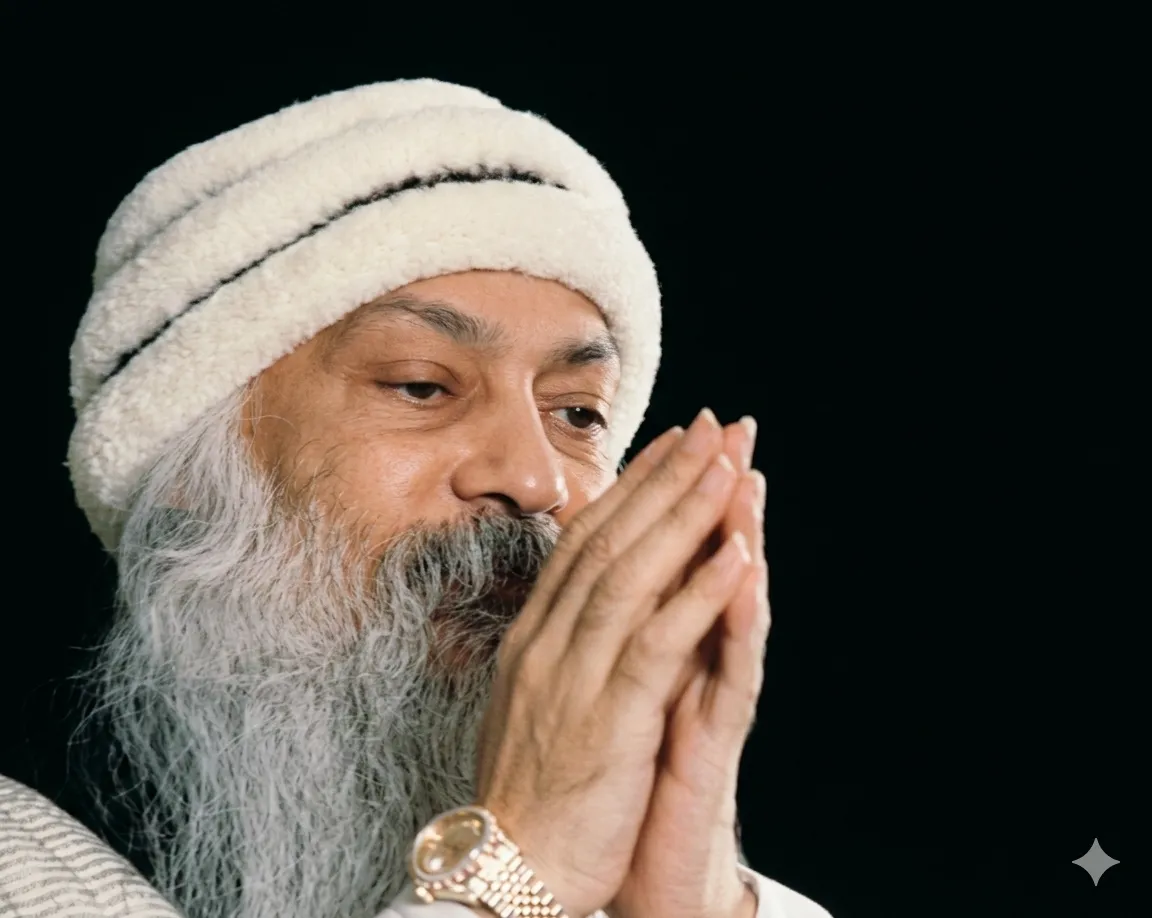
According to Osho, enjoyment precedes renunciation because life moves through polarities: only by tasting pleasure’s promises and encountering its inevitable pain and hollowness does the urge to let go arise. The ‘sting’ of enjoyment exposes its dreamlike, illusory nature, ripening natural renunciation—not repression. Thus, one who has truly enjoyed can truly renounce; and in letting go, real enjoyment—freedom—appears.
You must taste pleasure to see its limits and hurt, and that clarity makes dropping it easy and opens a deeper, freer joy.
Why this matters practically
- Avoids repressive, guilt-based renunciation; cultivates conscious letting go.
- Turns disappointment into insight, easing craving and anxiety.
- Points to joy rooted in freedom, not possession or achievement.
- Turns disappointment into insight, easing craving and anxiety.
- Points to joy rooted in freedom, not possession or achievement.
AI Confidence Score: 97%
Read Original Discourse →