
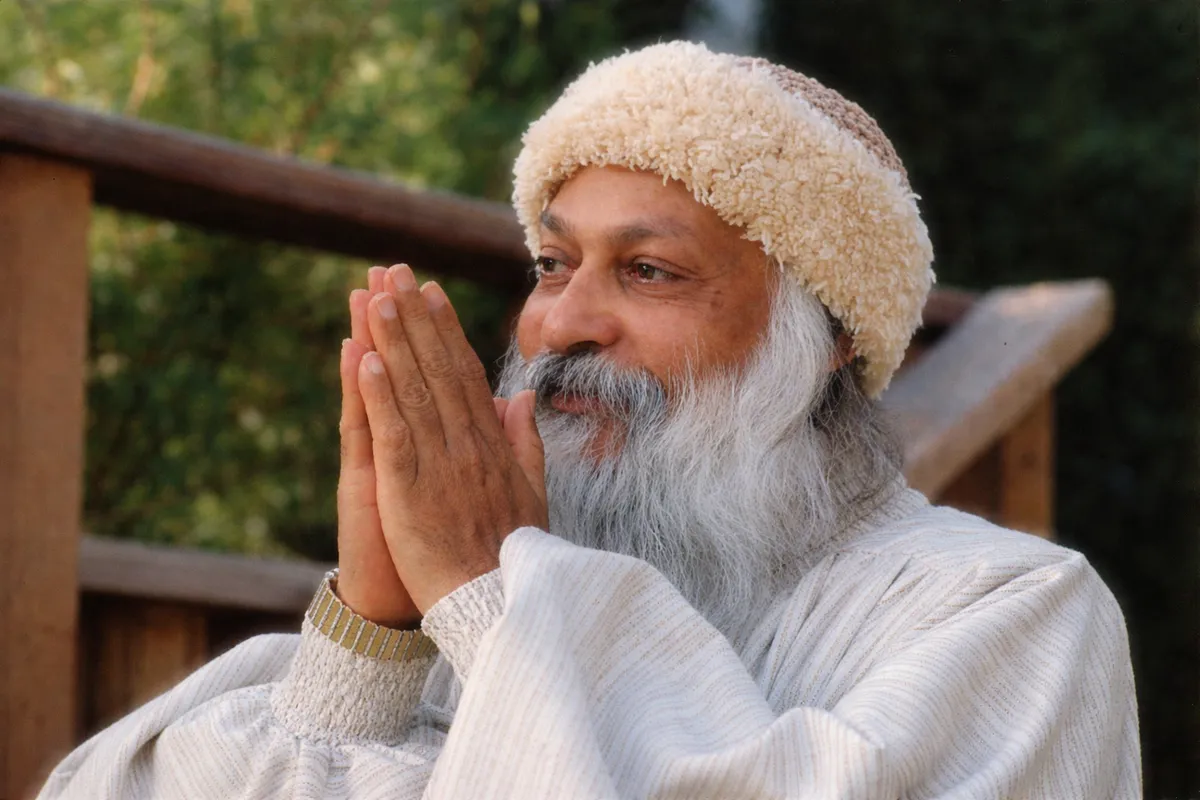
According to Osho, the Delphic 'Know Thyself' reflects the Greek mind’s passion for dispassionate knowledge and objectivity—standing outside and analyzing—even when turned inward. Greece prized knowing over being or loving, so its wisdom urged self-knowledge. In contrast, the Hindu spirit would inscribe 'Be Thyself'—to realize by participating, tasting, and becoming. Osho calls for synthesizing both approaches.
Greeks trusted the head more than the heart, so they said “Know Thyself” instead of “Love Thyself,” while other paths would say “Be yourself” by living and feeling it.