
Why do different saints describe ultimate realization using different metaphors like 'light,' 'a Holi of colors,' and 'the taste of nectar'?
Synthesized from Source
definition
"Ultimate realization is one, yet each seeker’s unique faculties shape its expression; the truth remains unchanged, while our perceptions color it in myriad ways."
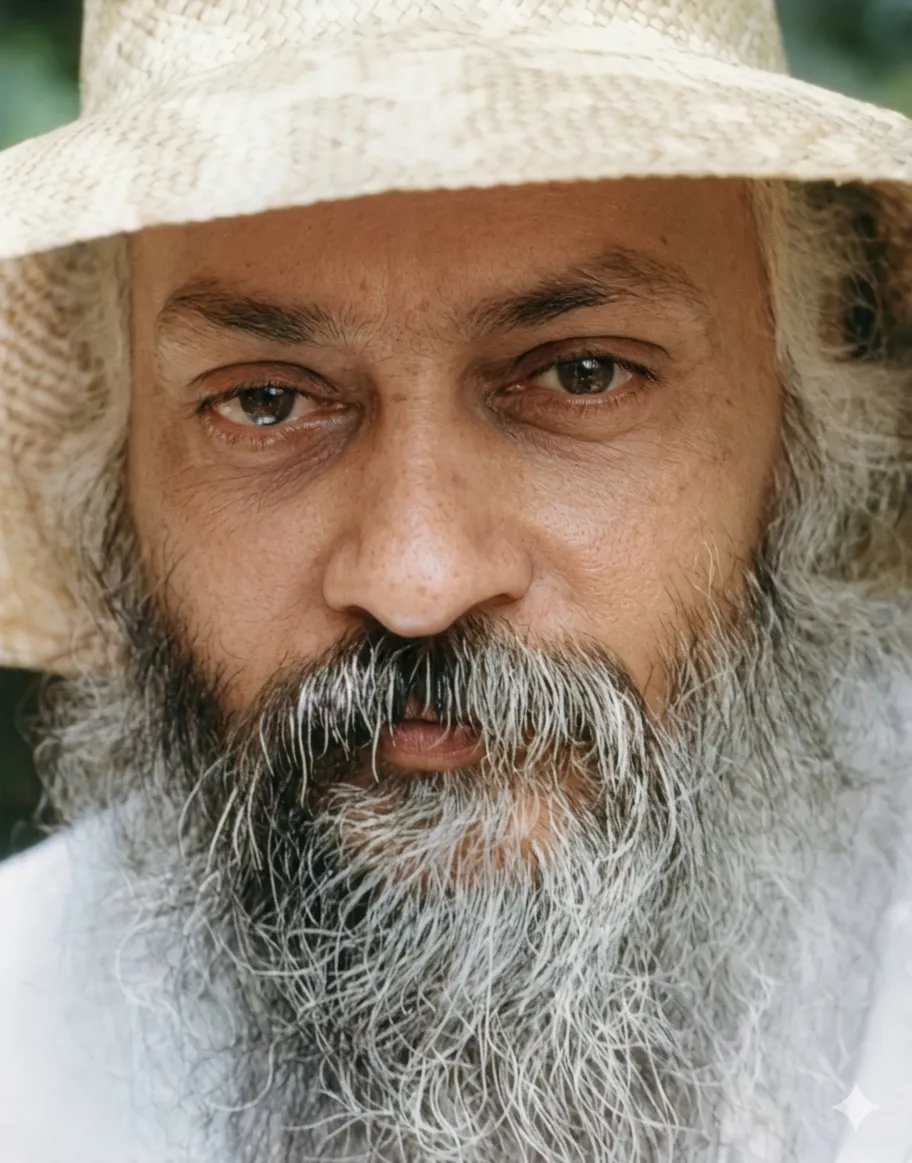
According to Osho, the ultimate realization is one, but descriptions differ because each seeker’s sensory sensitivity and life-energy channels filter the experience. A blind mystic may know it as unstruck sound; a taster as nectar; a sight-oriented devotee as dazzling light and colors. Metaphors mirror the experiencer’s faculties—not variations in truth itself.
Different saints describe the same truth differently because they experience it through the senses they rely on most—hearing, seeing, or tasting.
Why this matters practically
- Helps you focus on the essence, not argue over words or images.
- Encourages finding practices that match your own strongest sensitivity.
- Fosters respect for diverse expressions of the same spiritual truth.
- Encourages finding practices that match your own strongest sensitivity.
- Fosters respect for diverse expressions of the same spiritual truth.
AI Confidence Score: 97%
Read Original Discourse →