
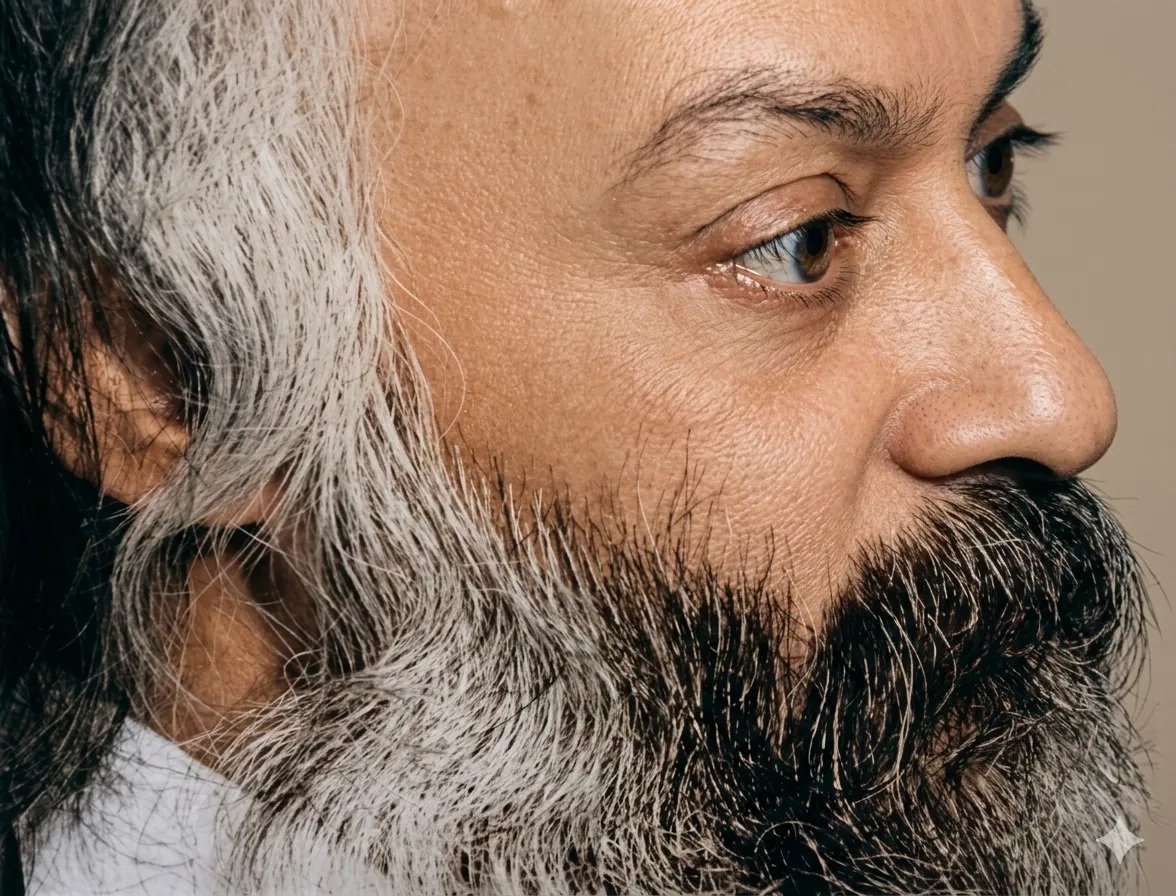
Arguing can tidy your thoughts, but real knowing comes when you stop trying to be right and quietly observe.
From the Discourses
Passages where Osho speaks to this question — each links to the complete discourse.
Osho, you say the same thing in countless ways. But when I listen to you, it feels as if I am hearing it for the first time. And I feel so much joy that I don’t feel like going back home. What should I do—what can I do—so that I can just keep listening to you!
You will feel as if you have been made to rise out of season, before time—as if you were not yet to go and yet had to go. And if you go in that way, your home will become even more desolate than before. I do not want to make your home desolate; I want to make your home a temple. I want that when you go home, your home’s new form is revealed. I do not want to tear you away from home, from the world, from family life. That is the newness of my sannyas: I do not want to sever you from the world; I want to join you to the world in such a way that your connection with the world becomes a connection with the Divine. Let the world no longer be a barrier between you and the Divine; let it become a means. If…
पहला प्रश्न: ओशो, आप एक ही बात कहते हैं अनेक-अनेक ढंगों से। पर जब आपको सुनता हूं तो उस समय यही लगता है कि पहली बार सुन रहा हूं। और इतना आनंद मिलता है कि वापस घर लौटकर जाने का जी नहीं करता। क्या करूं, मैं क्या करूं कि आपको सुनता ही रहूं!
… ऐसा लगेगा जैसे अभी जाना न था और जाना पड़ा। और अगर ऐसे तुम गये, तो घर और भी उदास हो जाएगा। जितना पहले था, उससे भी ज्यादा। मैं तुम्हारे घर को उदास नहीं करना चाहता। मैं तुम्हारे घर को मंदिर बनाना चाहता हूं। मैं चाहता हूं कि तुम जब घर जाओ, तो तुम्हारे घर का अभिनवरूप प्रकट हो। मैं तुम्हें घर से, संसार से, गृहस्थी से तोड़ नहीं लेना चाहता। वही मेरे संन्यास का अभिनवपन है कि मैं तुम्हें संसार सेे तोड़ नहीं लेना चाहता। …
Mind lives in arguments; it is continuously debating, discussing, doubting. The way to reach the heart is to drop argumentation, to forget all discussions and debates, only then do you start living. Otherwise through all these arguments that mind becomes involved with your energy goes on leaking -- and they never lead you anywhere. The whole history of philosophy is proof, absolute proof, and it should be a reminder to every person that philosophy has not reached a single conclusion. Five thousand years of argumentation and no decision, no conclusion, has been achieved. Even after fifty thousand years there will be no conclusiveness. It is not in the nature of the mind to come to a conclusion, it is against mind's nature. As you come closer to a conclusion it immediately creates new doubts, new questions, and again you are in the same trap.
Yesterday you said don't allow the elephant driver's hook of the intellect to ride over the feelings of the heart. But Osho I find your discourses absolutely logical. Is the mind nourished by the enjoyment of argument? Is it not a danger for me that the argument-nurtured mind will take control of the heart and suppress the experience of feelings? Please show me the path.
What I am saying is certainly logical, but not just logical -- something more too. I speak logically for you, and something more is for me. If I do not speak logically you won't be able to understand. And if I do not say that which is beyond logic, I would not speak at all: what would be the use of speaking? When I am talking, speaking to you two are present: you and I. There is both a speaker and a listener. If it was up to me I would speak In transcendence of logic, I would completely drop arguments, but then you would think I am insane. Then you wouldn't understand anything, you would feel it is just noise with no meaning. I speak logically to fit with your pattern of logical thinking. But if this is all you understand, then your visit here has been useless. It…
Mind gone, consciousness born
The argumentator already thinks he knows the truth. He is not a seeker. He already believes in the truth, he is not an explorer. He believes that he has found, although that belief is absolutely unfounded, It is not true. He has just accumulated ideas which are floating in the air, from the scriptures, from the traditions, from people around, and he is trying to convince himself and others that these ideas are his. In fact no thought is yours -- they are all unoriginal. Thought as such is never original; no-thought is original. If you are in an argument with existence then you are trying to prove your thought, right and existence is absolutely silent: you can go on imposing your ideas -- existence will not refute them, remember. For thousands of years people believed that the earth is flat. The earth never denied it (laughter), not even once.…
Remember this: As long as you ask questions bigger than yourself, answers will not come. The day you ask a question that fits you, in that moment the answer will arrive. And as answers arrive, your size grows; then you become capable of asking bigger questions. People go straight to asking about God—and immediately all is wasted. The intellect is very small. But we are very proud of the small. We strut over our smallness. It happened that a rich man came to see Socrates. He was the wealthiest man in Athens. His arrogance was natural. His walk was different, his manner of speaking, of looking at people—everywhere his ego was on display. He came to meet Socrates. Socrates seated him and said, “Sit. I’ll be right back.” He went inside and came out with a map of the world. He asked, “On this map, where is Greece?”—that little Greece!
ध्यान रखना इसे। जब तक तुम अपने से बड़े सवाल पूछोगे, उत्तर नहीं मिलेंगे। जिस दिन तुम अपने योग्य सवाल पूछोगे, उसी क्षण उत्तर मिल जायेगा। और जितने उत्तर तुम्हें मिलते जायेंगे, उतना ही तुम्हारा आकार बड़ा होता जाता है। उतने ही बड़े प्रश्न पूछने में तुम समर्थ होते जाते हो। लोग जब ईश्वर के संबंध में सीधा-सीधा पूछते हैं, तभी व्यर्थ हो जाती है बात। बुद्धि बड़ी छोटी है। मगर छोटे का हमें बड़ा गर्व है। छोटे पर हम बड़े इतराये हैं। ऐसा हुआ कि साक्रेटीज़ के पास एक आदमी मिलने आया। वह एक बड़ा धनपति था। और ‘एथेन्स’ में उससे बड़ा कोई धनपति नहीं था। उसकी अकड़ स्वाभाविक थी। रास्ते पर भी चलता था, तो उसकी चाल अलग थी। बात करता था, लोगों की तरफ देखता था, तो उसका ढंग अलग था। हर जगह उसका अहंकार था। वह साक्रेटीज़ से मिलने आया। साक्रेटीज़ ने उसे बिठाकर कहा कि बैठो, मैं अभी आया, भीतर गया और दुनिया का एक नक्शा ले आया और उससे पूछने लगा इस दुनिया के नक्शे पर यूनान कहां है?--छोटा सा यूनान! …