Explore Osho’s teachings across key topics such as meditation, love, ego, and awareness. Each topic contains structured questions, quotes, and insights derived from discourses.
In the spirit of Osho, the essence of a true being lies not in messianic titles or prophetic roles, but in the liberation from borrowed beliefs, urging us to embrace authenticity in the present and allow our innate intelligence and joy to blossom.
Imagination, as Osho suggests, transforms fleeting dreams into profound realities when we can consciously recreate feelings of love and acceptance, turning them into a meditative doorway rather than mere illusions of the mind.
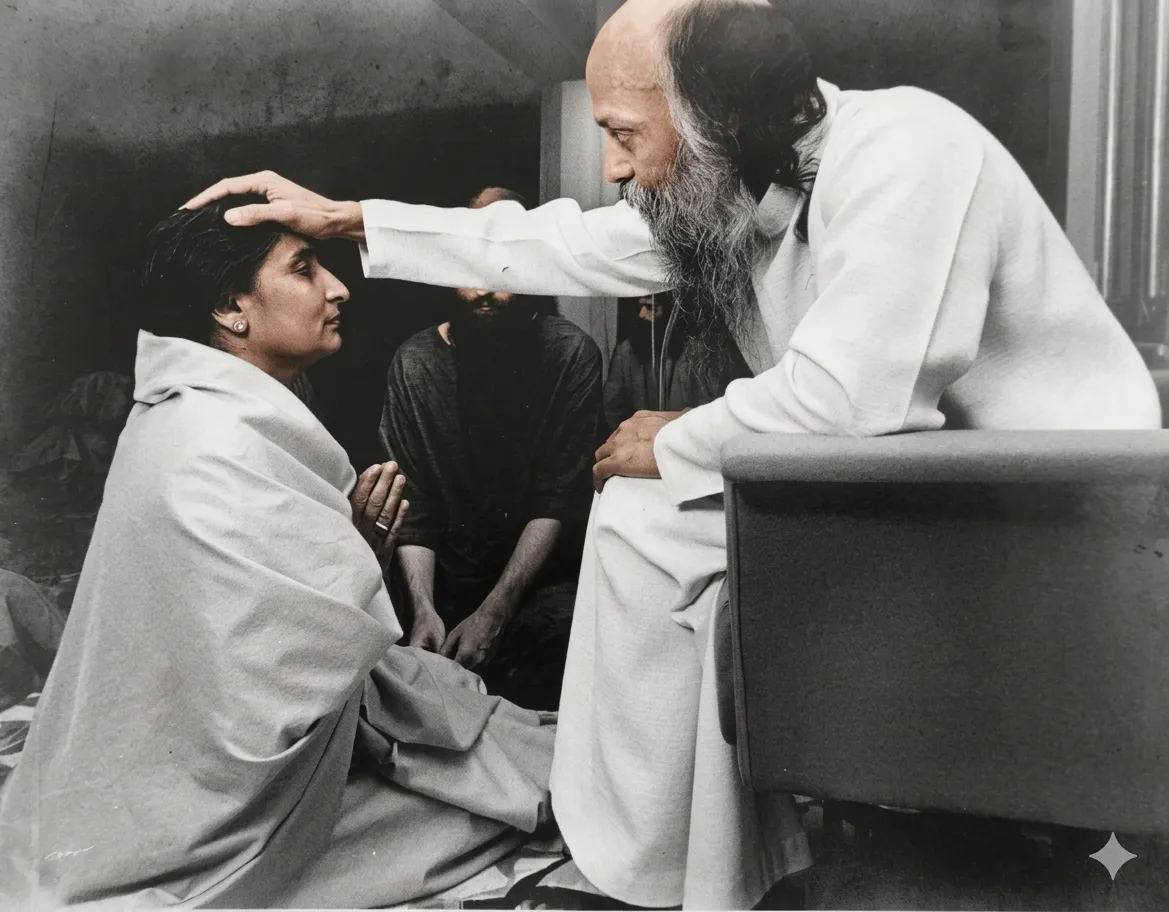
In the presence of a master, true transmission unfolds beyond words, as silence and energy dissolve the ego, inviting the heart to awaken; this sacred exchange can gently nurture or fiercely transform, paving the way for a profound rebirth of being.
Rituals transform from mere empty performances into profound expressions of love and presence when they arise from an authentic inner urge, turning the ordinary into a sacred communion that resonates with the essence of being.
True harmony emerges not from suppressing desires or forcing agreement, but from embracing authenticity, even amidst conflict; as Osho suggests, it is through surrendering to our inner truth that we cultivate genuine connections and profound peace.
Idol worship transcends mere ritual, becoming a heartfelt prayer where the formless manifests through love; it emphasizes the essence of devotion over method, inviting us to honor each soul's unique journey toward the Divine while shedding ego and embracing freedom.
Reconnecting with your inner child unfolds as you embrace a conscious ‘second childhood,’ shedding the weight of conditioning to revel in the innocence of presence; in this dance of life, nature becomes your playground, where meditation and surrender reveal the joy of pure perception.
In the cosmic leela, Buddhas and Christs emerge not as saviors, but as joyful embodiments of salvation, inviting us to shed our seriousness and embrace bliss, reminding us that true freedom lies within our own playful awakening.
In the vision of Osho, communism transcends mere redistribution of property; it seeks to dismantle the shackles of class oppression and liberate the human spirit by eradicating guilt and false beliefs, paving the way for true equality and the flourishing of innate potential.
Lao Tzu, embodying a profound wholeness that transcends the mind's perfectionism and ego, reconciles opposites—wisdom with foolishness and knowledge with acknowledged ignorance—revealing that true innocence, often perceived as folly, is in fact the essence of paradoxical wisdom.
Osho embodies the essence of craziness in his presence and words, celebrating a purposeless existence akin to blooming roses and fleeting stars, where spontaneity dances freely, unburdened by goals, inviting us to embrace the sheer joy of the moment.
Fate and destiny are mere illusions we conjure to evade responsibility, soothing our egos while trapping us in weakness; true strength and freedom arise when we embrace our choices and recognize that life flourishes through our conscious awareness and actions.
In the dance of existence, the ego crafts the illusion of mistakes, yet when the self dissolves, actions harmonize with the Divine, transforming perceived errors into opportunities for growth, revealing that the true misstep lies in the very sense of I.
Embracing feelings, as Osho suggests, transcends mere whimsy; it demands a harmonious blend of spontaneity and mindfulness, where mature emotions, like flowers on an unseen thread, guide us toward authentic responses that resonate with deeper awareness.
Osho teaches that all ideals, including the pursuit of destiny, mislead us by placing fulfillment in the future, while true destiny resides within, urging us to abandon the chase and embrace the richness of our present being.
Osho invites us to embrace the truth of suffering, revealing that saints do not depict life as sorrow, but rather acknowledge its inherent struggles; only through this honest recognition can we transcend self-deception and embark on a path toward genuine transformation.
Habits, when wielded as tools of conscious choice rather than masters of compulsion, empower us to transcend inertia; it is only in maintaining our inner authority that we can let go of the pointless while embracing the truly beneficial.
In the dance of love and joy, fear becomes the shadow that tempts us to flee; yet, by embracing the ebb and flow of these emotions and cultivating inner awareness through meditation, we find that the urge to escape gracefully dissolves into trust and maturity.
Worldly pleasures captivate us with their fleeting nature, igniting a sense of urgency and value, yet this very transience often transforms joy into sorrow; Osho illuminates the path of transcending such ephemeral delights in search of eternal bliss.
As meditation deepens, sensitivity blossoms, allowing every emotion—whether old wounds or fleeting joys—to surge with vivid intensity; embracing this turbulent phase transforms raw feelings into profound clarity and serene witnessing, embodying Osho's essence of true awareness.
Osho illuminates that vows lack intrinsic value, revealing instead our inner unconsciousness; true transformation flourishes through awareness, as genuine change emerges effortlessly when we reclaim our authority from hollow promises and societal expectations.
A playful mind, as Osho might suggest, transcends the confines of seriousness in fields like plastic surgery or science, where childlike curiosity and the freedom to 'waste' time ignite creativity, birthing groundbreaking discoveries and transforming exploration into essential truths.
In the realm of the Upanishads, a profound union unfolds, where timeless wisdom flows between a master and an open disciple, transcending labels of ancient or modern; it is in the fearless embrace of bliss and receptivity that true enlightenment occurs.
An avatar embodies the divine essence present in every individual, revealing that true spirituality lies not in the worship of a select few, but in recognizing the sacredness that resides within us all, a perspective that resonates deeply with Osho's vision of universal consciousness.
Don't have an account? Sign up