
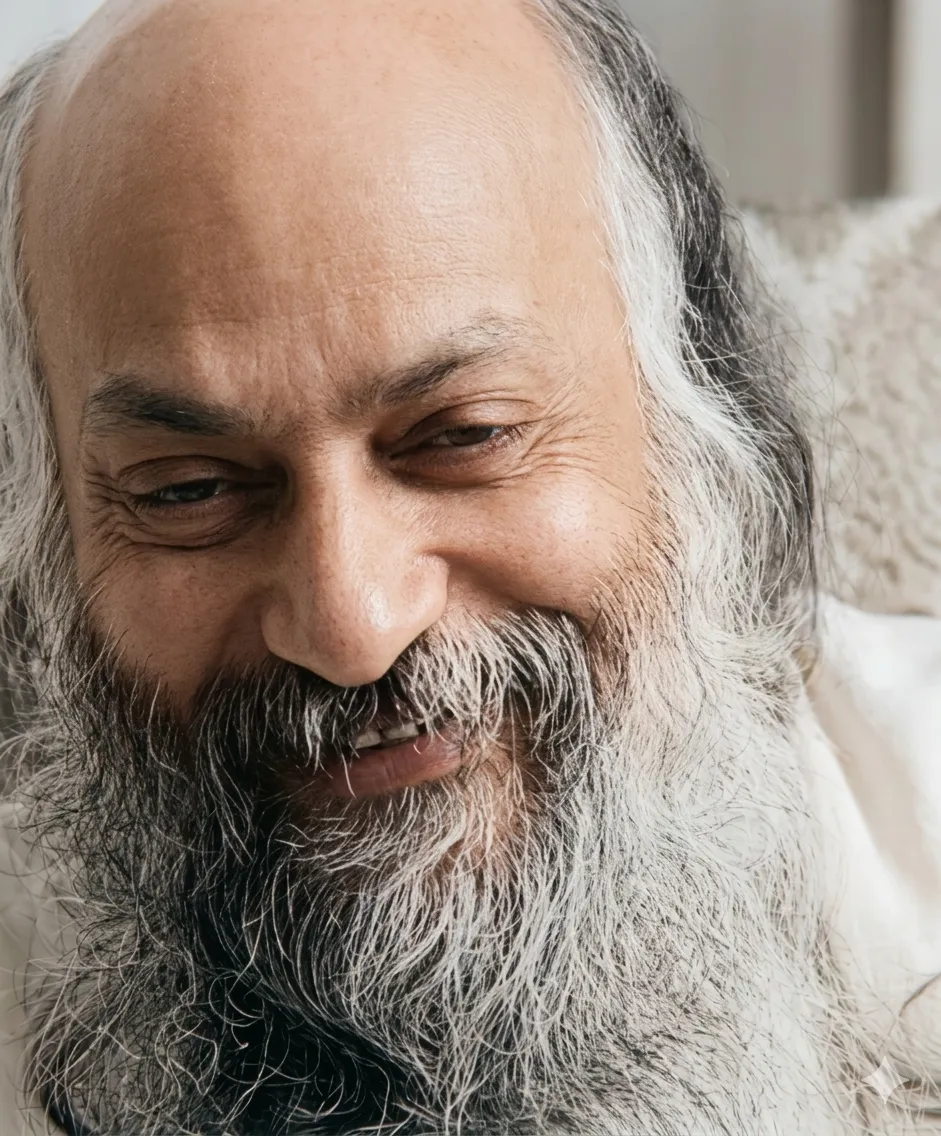
What is the difference between being a fatalist and just floating, feeling everything is beautiful?
Synthesized from Source
definition
"Fatalism is the ego's way of escaping responsibility, while floating in trust allows you to dissolve the illusion of separation and embrace the beauty of existence."
According to Osho, fatalism is a consolation for failure: a helpless ego blaming fate to avoid responsibility, born from fighting the whole. 'Just floating' is an awakened understanding of oneness; the separate ego and private destiny dissolve, releasing effortless energy. You move with the cosmic current, stop comparing or struggling, and everything appears beautiful because there’s no conflict or private goal—only trustful participation.
Being a fatalist is giving up in frustration; floating is trusting life like a leaf on a river because you’re part of the river.
Why this matters practically
- Reduces anxiety by letting go of rigid personal agendas.
- Unlocks energy and creativity when you stop resisting life.
- Improves relationships through humility and flow instead of blame.
- Unlocks energy and creativity when you stop resisting life.
- Improves relationships through humility and flow instead of blame.
AI Confidence Score: 97%
Read Original Discourse →