
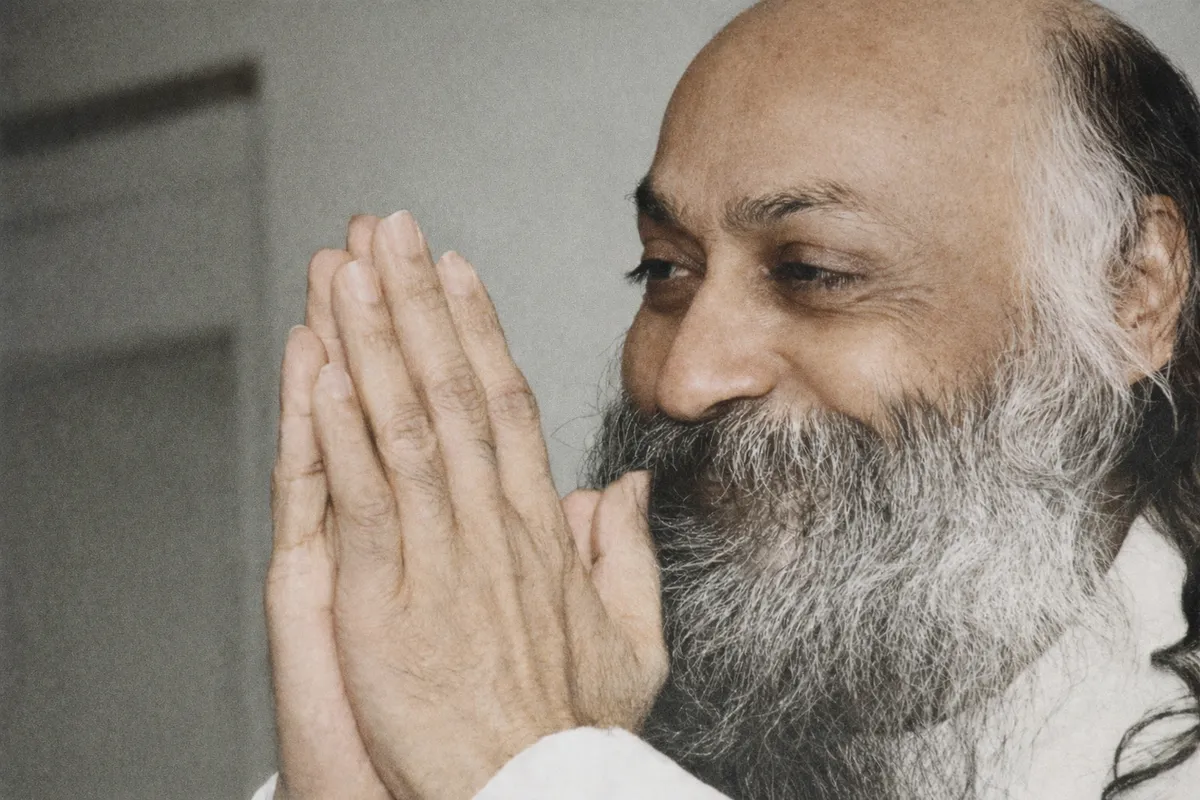
"Upasana Ke Kshan" delves into the intricate layers of human consciousness, offering a profound exploration of witnessing as a path to spiritual awakening. Osho illuminates the complexities of personality, describing it as a multifaceted entity where different parts can experience various emotions simultaneously. He emphasizes that true witnessing involves a total awareness wherein consciousness is fully awake, allowing for a clear distinction between the self and external experiences. This series underscores the significance of detachment, explaining that while sensations, including pain, continue to occur, a spiritual distance can be cultivated. This awareness enables the individual to discern between the actual pain and the exaggerated suffering fabricated by the mind. Osho posits that most of our perceived misery arises from identification with these mental constructs rather than reality. By fostering a state of presence, one gradually dissolves the fictional layers of suffering, retaining only the factual essence. Through this discourse, Osho invites seekers to embrace the role of the witness, encouraging a shift from identification to liberated awareness, where life unfolds in its raw, undistorted truth. This journey not only unravels the veils of illusion but also aligns individuals with the deeper currents of inner peace and enlightenment.
-
Chapter 1
Witness anxieties without identifying; don't feed thought so thoughts wither, ego dissolves, and consciousness, emptied of objects, knows itself.
-
Chapter 2
Sustaining bliss requires non-grasping and inner witnessing: dissolve anger and desire by observing them; Narada's parable shows "I have attained" liberates.
-
Chapter 3
Words and scriptures become walls that hide the Divine; truth is immediate experience, not inherited belief. Foster doubt, discernment and the child's growth.
-
Chapter 4
Life cannot be defined by words; it is to be lived with total intensity—stake your whole being in each moment to know taste, love, anger, or truth.
-
Chapter 5
Balance outer order (money) with inner order (peace): worry makes wealth useless; shift attention from thought to the navel to restore natural silence.
-
Chapter 6
Awakening dissolves joy and sorrow through awareness; true character is awakened living, not fear-based restraint; inner powers arise as mind quiets.
-
Chapter 7
Upasana means becoming That: transcend witnessing (sakshibhav) by negation until even the witness dissolves; touching feet is futile without inner worthiness.
-
Chapter 8
A subtle, etheric body exists within the physical; chakras and kundalini link them, allowing out-of-body and soul experience while interpretation varies.
-
Chapter 9
Witnessing frees you from identification with personality and the dead past; methods help break the mirage but must be exhausted so being beyond witness arises.
-
Chapter 10
Life’s movement is dialectical—hold one foot while lifting the other; freedom arises by dropping expectation and accepting all, not forcing meditation.
-
Chapter 11
Approach the sage without desire or gain; true sahaj is not won by effort or by ending desire but arises through total acceptance, surrender, and silence.