
In the face of anger or impulse, pause into no-mind; let your response arise from awareness, not from conditioning, for true freedom lies in the spontaneity of consciousness.
Use the ego as a tool, but do not let it sit on the throne; when you master it, you have already dropped it.
When the ego returns, do not fight it; simply be alert and return to the present, for in the here and now, the ego drops away naturally.
When you drop the ego and the mind, you become a master of your consciousness, allowing the mind to serve you with renewed clarity and joy, while you remain deeply connected to the whole.
The emptiness of a child is unearned and unconscious, while the childlikeness of a Buddha is a conscious, resilient innocence that emerges from the depths of experience and awareness.
To be fully present in the moment is to dissolve the ego; in that deep immersion, the witness emerges, allowing you to effortlessly slip into egolessness.
The authentic self is a silent presence, a space of awareness from which life unfolds naturally, like the grass that grows by itself.
Help yourself first by disappearing into inner emptiness; from that egolessness, love and compassion will arise spontaneously, allowing you to serve without a 'doer.
The question 'Who am I?' confronts you with the fear of ego's dissolution, yet it is the gateway to rebirth; in dying as a drop, you are born as the ocean of pure consciousness.
Self-protection is the ego's arrogant attempt to shield itself from the inevitable, but true safety lies in surrendering to the vastness of existence, where fear dissolves and freedom emerges.
Embrace your passions fully until you are exhausted by them, and only then will the burdens of negativity fall away, revealing a state of watchfulness that is fresh, peaceful, and ecstatic.
Your personality is merely a mask, your ego the attachment to it; true individuality transcends both, revealing the boundless emptiness of your authentic self.
Your self-protection is the barrier that divides you; drop the defenses and dive wholeheartedly into truth, and you will find your energy unified and your creativity refined.
Criticism is the ego's way of feeling superior; when you drop the ego, acceptance and compassion naturally arise, transforming your perception of life.
The ego's desire to communicate is a cry for existence, seeking validation from others; true realization brings silence, where communication becomes a natural expression rather than a need for approval.
You do not lose the ego by forgetting yourself; it dissolves through the profound act of remembering who you truly are.
Buddha's denial of God is not a rejection of the divine, but an invitation to discover the inner divinity within ourselves, where true dignity and mastery reside.
True forgiveness is not a moral duty, but a fragrance of consciousness that arises from silent awareness and love.
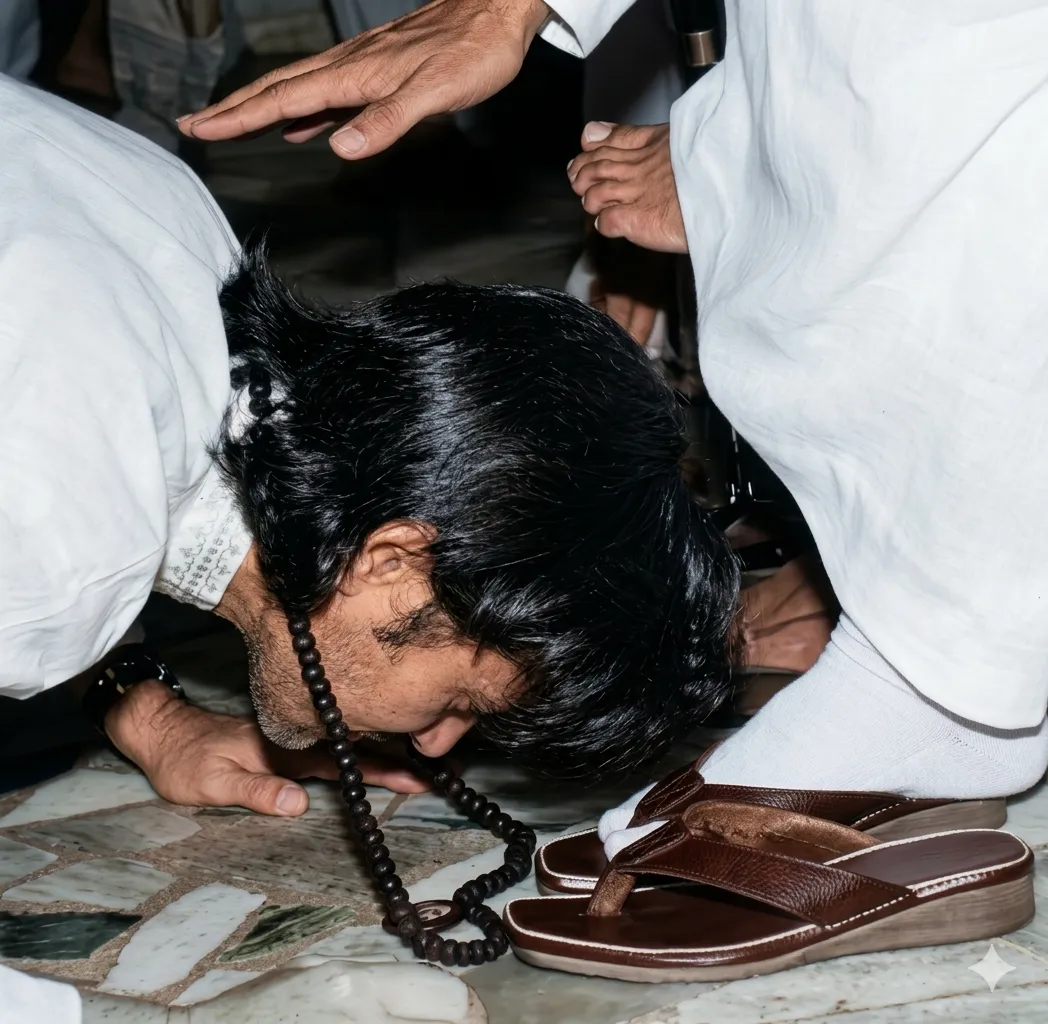
True respect honors the divine within, while ego clings to the personal; humility arises when we recognize that reverence is not for the individual, but for the essence of existence itself.
Ego, jealousy, and hatred are not mistakes but necessary contrasts that awaken awareness; when met with watchfulness, they transform into humility, love, and compassion, guiding us toward the light of our true nature.
Choicelessness arises not from a decision of the ego, but from its dissolution; it is the state where awareness simply is, free from the chains of choice and expectation.
A true devotee transcends the ego, merging into the divine ocean where the 'I' dissolves and only love remains.
A true devotee cannot harbor ego; in the surrender of love, the veil of the self falls away, revealing only the Divine.
The ego thrives on illusions and comparisons, but when you look deeply into its essence, you will find it is nothing but a shadow, collapsing under the weight of inquiry.