
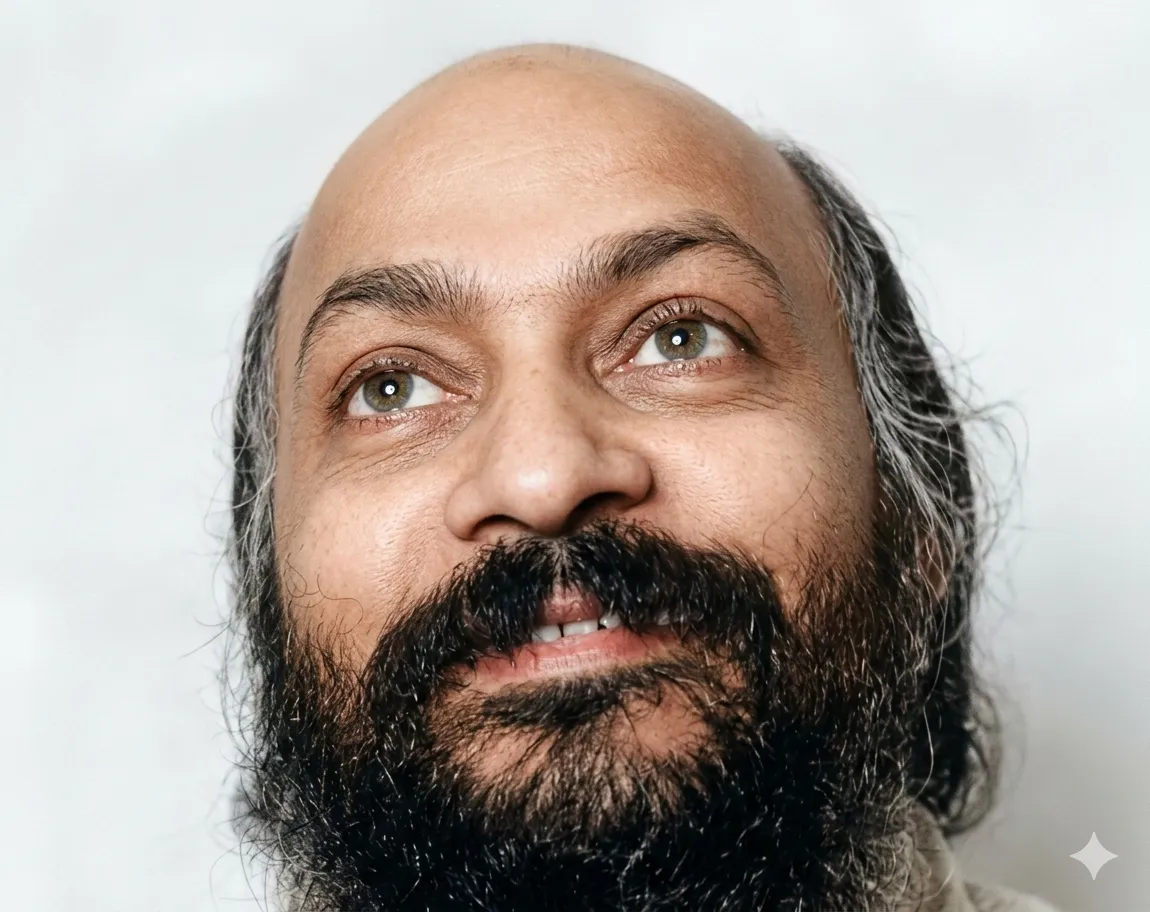
Is the claim that whatever is not in the Mahabharata is nowhere correct, and does it limit the vastness of life?
Synthesized from Source
definition
"The Mahabharata is not a limitation but a celebration of the human experience, reflecting a totality that honors our past while the wheel of life continues to turn."
According to Osho, the dictum is correct: the Mahabharata holds the distilled essence of India’s civilizational peak—like spring’s full bloom or Everest’s summit—where everything human was seen, named, and woven together. It marks both culmination and the wheel’s turning toward decline. This claim doesn’t shrink life; it honors a reached totality, a mirror to which we look back while the cycle moves on.
It means the Mahabharata is a giant treasure chest of our highest wisdom, not a cage that limits life.
Why this matters practically
• Draw from time-tested insights instead of chasing novelty.
• Recognize peaks and declines in culture and in your own life, and act with humility.
• Use the epic as a broad mirror for ethics, conflict, love, duty, and power.
• Recognize peaks and declines in culture and in your own life, and act with humility.
• Use the epic as a broad mirror for ethics, conflict, love, duty, and power.
AI Confidence Score: 78%
Read Original Discourse →