
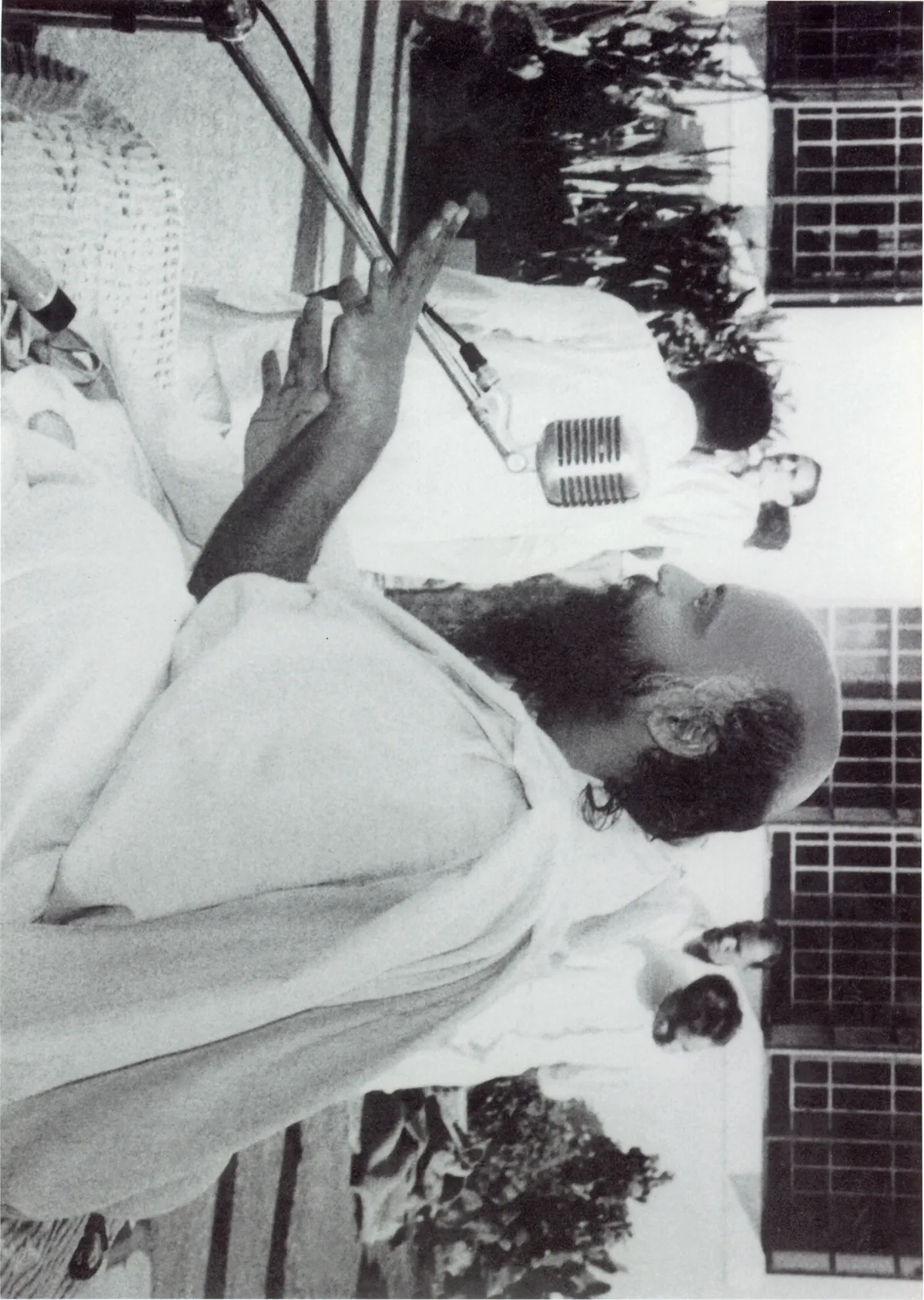
"Zen: The Solitary Bird, Cuckoo of the Forest" is an enthralling exploration into the profound depths of Zen philosophy, uniquely articulated by Osho. This discourse series invites seekers to embark on an inward journey, mirroring the solitary bird's flight towards self-realization and inner freedom. At the core of Osho's teachings in this series lies the essence of Zen—embracing simplicity and direct experience over intellectualism and dogma. He unravels the mysteries of awakening through anecdotes and koans that elucidate the path to enlightenment, encouraging listeners to transcend conventional boundaries of thought and identity. The series illuminates the Zen path as one of detachment, spontaneity, and living fully in the present moment, where the ordinary becomes extraordinary. Osho's distinctive perspective injects a modern relevance into ancient Zen teachings, advocating for a balance between being and non-being and highlighting the transformative power of meditation. By intricately weaving humor, paradox, and profound silence, Osho empowers individuals to become like the solitary bird—unbound by attachments, authentically free, and resonating with the timeless truth of their own existence. This series is a compelling invitation to rediscover the innate cuckoo song within the forest of one's soul.
-
Chapter 1: The way of the birds
Become nobody: the Bird's Way — egoless, moment-by-moment openness that leaves no footprints; Zen as silent spaciousness revealing your buddha-nature.
-
Chapter 2: Tearing down, breaking up
Tearing down, breaking up: dismantle ego and thought—when mind ceases only silent nobodiness remains; paradise isn’t Mount Sumeru but pure inner silence.
-
Chapter 3: Don't wobble
See things as they are - a staff is just a staff; drop judgment and don't wobble. Mind avoids the obvious; silence and no-mind reveal your inner being.
-
Chapter 4: Such a moon
The moon symbolizes one’s unchanging being: appearances wax and wane but the self remains; a moment of silent witnessing makes enlightenment possible.
-
Chapter 5: A very dangerous place
Way of the birds is beyond morality: awareness, not priests' rules, decides right action. Freedom means the individual's consciousness as the sole criterion.
-
Chapter 6: In this rackety town
Relax totally into inward silence; Zen is a transformative non-doing that alchemizes you into presence. Drop expectations and witness sudden awakening.
-
Chapter 7: Fences, walls and broken tiles
The Buddha-mind is fences, walls and broken tiles—mind is bondage; true teaching is silent, heard by saints; masters awaken people beyond words.
-
Chapter 8: Like the tongue of a dead man
True awakening is wordless silence beyond the mind; Tokusan's staff and Tozan's 'tongue of a dead man' teach that enlightenment cannot be spoken, only lived.
-
Chapter 9: No words, no mind, and you are in
Hogen's silent awakening with Jizo teaches Zen: drop words and mind, embrace 'don't know' and spontaneous nonjudgmental being, no right or wrong, only isness.
-
Chapter 10: Be at the center
Be at the center: silent presence, not instruction, ignites buddhahood; remember existentially rather than learn intellectually—Maneesha’s question about ‘forgetting’ is answered by remembrance.
-
Chapter 11: Dhyana has no gate
Dhyana has no gate: sit still, lose the 'I', and let choiceless movement reveal endless Buddhahood; silence, not effort, dissolves worlds and mistakes.
-
Chapter 12: Hidden behind these reflecting eyes
Portraits are illusions; Joshu shows a portrait can't capture the self, which is the silent witness behind reflecting eyes; drop ego and sit still.
-
Chapter 13: The price of rice in Joshu
Zen insists on ordinary presence: drop scriptures, know your being. Be aware of the now—'What is the price of rice in Joshu?'—and awaken to be ordinary.
-
Chapter 14: Kwatz!
Osho: true seeing is the Buddha-eye - inward silence that dissolves distinctions; meditation burns dream-dust, reveals equal humanity and true awake vision.
-
Chapter 15: The house where nobody lives
Drop conditioning through deep meditation: become the 'house where nobody lives' - emptiness that frees the oppressed, reveals Buddha-nature, ends bondage.