
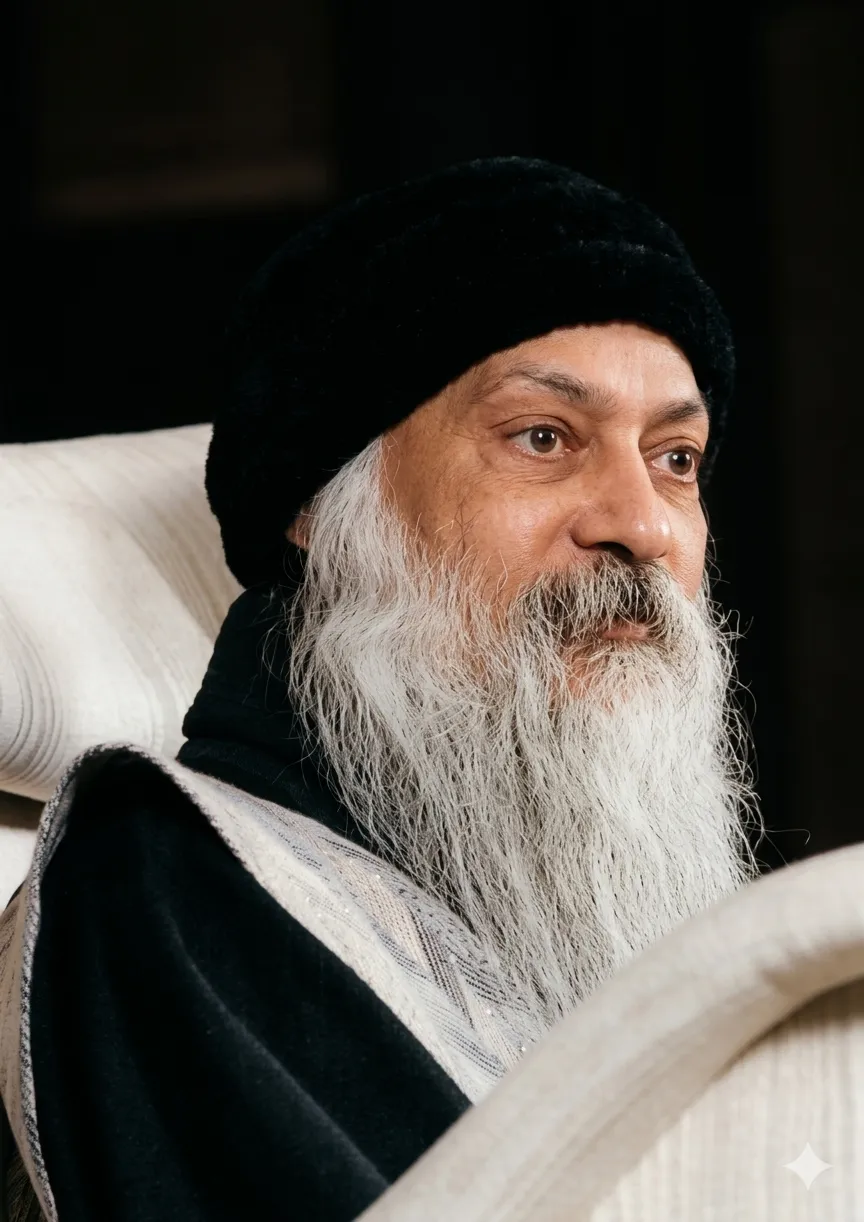
"Zen: The Quantum Leap From Mind to No-Mind" is a profound discourse series in which Osho explores the transcendental journey from the limitations of analytical thinking to the boundless realm of no-mind. Through the lens of Zen, Osho delicately unravels the illusions created by the mind, advocating for a direct, experiential grasp of reality beyond conceptual frameworks. He invites listeners to embrace Zen’s radical approach, emphasizing immediate presence and spontaneity rather than the intellectual exercises often associated with spiritual pursuits. Osho’s unique perspective lies in his ability to demystify the esoteric teachings of Zen, making them accessible and applicable to the modern seeker. He challenges the dichotomy between mind and no-mind, suggesting a harmonious integration that transcends duality. The series serves as a guide for those navigating the complexities of contemporary existence, offering practical insights to dismantle psychological barriers and experience the innate freedom of a no-mind state. Through humorous anecdotes, paradoxes, and sharp wit, Osho inspires a transformative shift in consciousness, urging individuals to take the 'quantum leap' into awakening and authenticity. Beyond mere philosophical discourse, this series acts as a catalyst for inner revolution and profound self-discovery.
-
Chapter 1: Babysitting is the basic business of all buddhas
Meeting a true master dissolves the mind; buddhas babysit delusion until maturity, then strike to reveal no‑mind — intuition and enlightenment are indivisible.
-
Chapter 2: Listen to the message of the run
Existence is irrational; drop 'why' and make a quantum leap from mind to no‑mind — be, not worship, finding spontaneous laughter and tears in silent awareness.
-
Chapter 3: A master in your own right
Zen's joyful, non-serious mastery: dissolve into no-mind, see truth in a tiger's roar or falling snow, laugh, and be a master in your own right.
-
Chapter 4: Zen is as simple as the taste of tea
Zen is as simple as the taste of tea: drop mind, wait in no-mind; Bodhidharma's coming from the West points to direct, wordless realization now.
-
Chapter 5: Can a circle be more circular?
The formless Way is seen by an inner 'third eye' not ordinary sight; perfection neither progresses nor decays, pointing to immediate, mirror-like isness.
-
Chapter 6: Gorilla, sir, be a gentleman
Drop the gorilla coat of ego; freedom is the quantum leap from mind to no-mind — true independence arises from the inner diamond, not an enlarged ego.
-
Chapter 7: One cannot have a problem
Problems are mind-made; you are the answer—Yakusan exposes the invented problem, Kyozan shows closing sutras frees understanding, and presence dissolves problems.
-
Chapter 8: This great assembly of people who love
Silence is the seamless pagoda—enlightenment isn't transmigration but dissolving into the ever-flowing river; die inwardly through meditation to be reborn.
-
Chapter 9: The bamboos are asking for a new laughs
Mind clings to control; awakening is a quantum leap from mind to no-mind, silent objectless being where love blooms and the transcendental is lived.
-
Chapter 10: Start living in a poem
Embrace unconditional trust and compassion as Nan-Sen did—welcome the stranger, let go of judgement and need, live everywhere like a poem and taste freedom.
-
Chapter 11: Zen is not a retail shop -- it is wholesale
Zen is not a retail shop but wholesale: enlightenment arrives whole as instantaneous no-mind beyond thought, shown by Suigan's tears and the master's test.
-
Chapter 12: The buddha is hiding in the paper bag
Beyond birth and death—and beyond yes/no—the buddha hides behind the paper bag: enter timeless silence, die to the paper self, and rediscover formless suchness.
-
Chapter 13: You cannot see with your ears
Mind cannot grasp the formless; Zen points beyond intellect - the cook's silent act and the rosary show truth is found in no-mind, silence, and absence of hierarchy.
-
Chapter 14: Mind with a small m
Hogen's question exposes the small-m mind: art born of mind repeats insanity; creativity and freedom arise from no-mind, silence beyond thought, not religion.
-
Chapter 15: Can we celebrate now?
After Britain's lie, illusion can't be 'got rid of'—it dissolves in awakening to no‑mind, renounce priests and politics, open hands and celebrate now.