
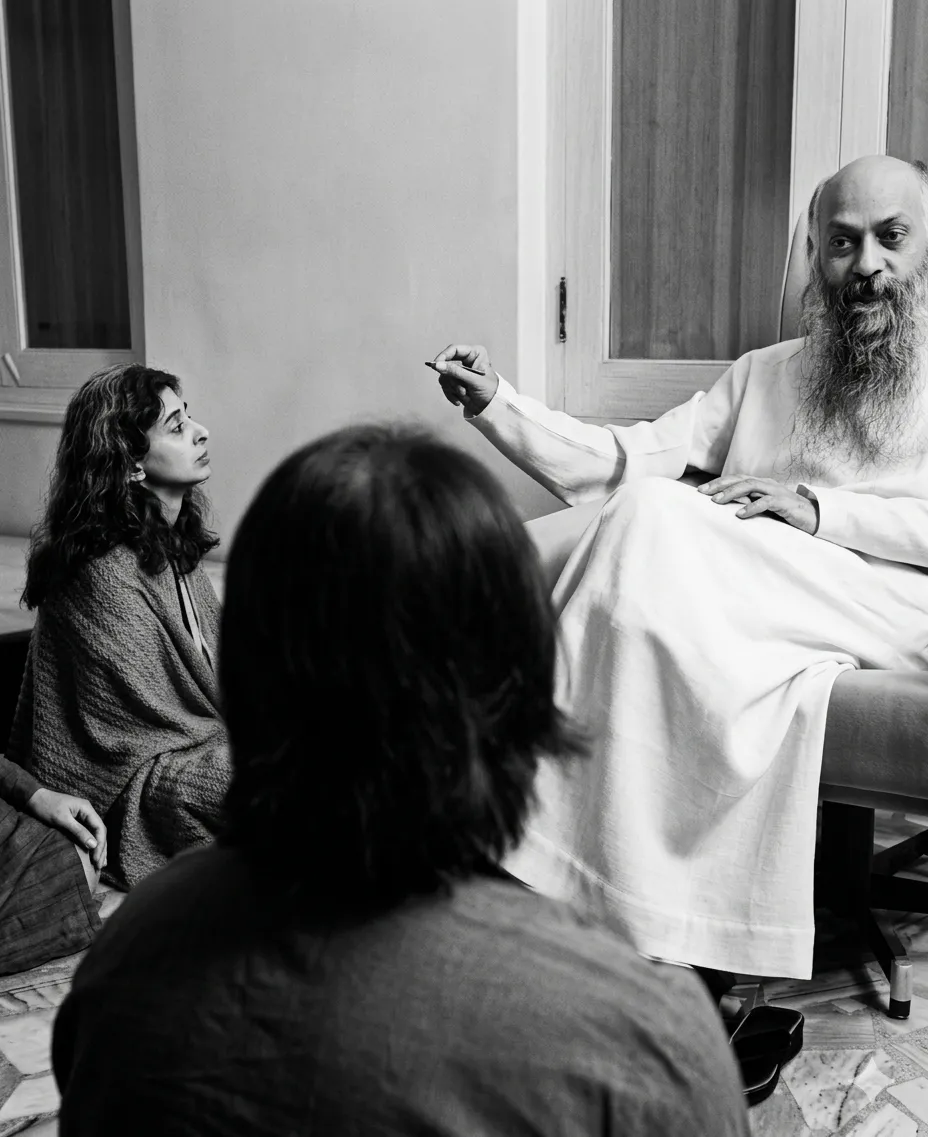
"Zen: The Path of Paradox, Vol 2," continues Osho's profound exploration of Zen's enigmatic and transformative nature. In this volume, Osho delves deeper into the seemingly contradictory principles that define Zen, unraveling its mysteries with clarity and wisdom. He illuminates the unique Zen approach to spiritual awakening, one that defies logical boundaries and embraces the beauty of paradox. Osho posits that true understanding transcends the intellect and is realized through direct experience and inner awareness. This series invites readers to abandon conventional thinking and embrace the present moment as the ultimate teacher. Osho's insights reveal how Zen utilizes koans and meditative practices to dissolve the ego and awaken the dormant potential within us all. Through a tapestry of anecdotes, parables, and sharp wit, Osho breaks down barriers to self-realization, encouraging a playful yet disciplined journey into the heart of one's being. His perspective challenges traditional spiritual norms, urging seekers to embrace the vibrant, often wild, essence of life. In essence, "Zen: The Path of Paradox, Vol 2" is both a guide and a catalyst for those yearning to traverse the paradoxical path towards enlightenment.
-
Chapter 1: Hey! Wait a Minute
Radical non-judgement frees and transforms: accept people as they are (Shichiri and the thief); awareness and love, not rules or fear, awaken true change.
-
Chapter 2: Selling Water by the River
Inner peace arises from living fully and transforming desire, not withdrawal; silence born of understanding heals violence—selling water by the river.
-
Chapter 3: And the Sky Abides
Compassion is non-egoic allowing of the divine; Bankei keeps a thief to teach him, showing meditation makes you the abiding sky as thoughts pass like clouds.
-
Chapter 4: Slipping Lazily into Divinity
Authenticity transcends gender and ideals: drop divisions and future goals, live present receptivity and trust the inner caterpillar becoming a butterfly.
-
Chapter 5: The White Flame of Life
All reality is a mind-projection; drop beliefs to meet the white flame of life - Nobunaga's coin and the skull satori show conviction creates worlds.
-
Chapter 6: The Door to the Wild
Mature by killing inner parents and authorities; drop conditioned voices, conserve silence's power, and risk the unknown - ego fears happiness.
-
Chapter 7: An Explosion of Insight
Life is a paradox: sand-castles of possession collapse; embracing inner nothingness — the 'great death' — dissolves desire, ending fear and anger.
-
Chapter 8: There is No Back of this Book
Imperfection is life's pulse: accept and live each moment totally; perfection is death. Be a pilgrim, drop ideals and masters, act from inner silence.
-
Chapter 9: Scratching the Shoe
Language cannot express truth; drop seeking and ego, laugh at the absurdity, and 'go to the back of the hall and have some tea.' Presence, not words, reveals God.
-
Chapter 10: The Bridge but not the Water Flows
Human innocence must be lost and regained: true religion is courageous return to childlike wholeness, not guilt-based sin used by priests to enslave.