
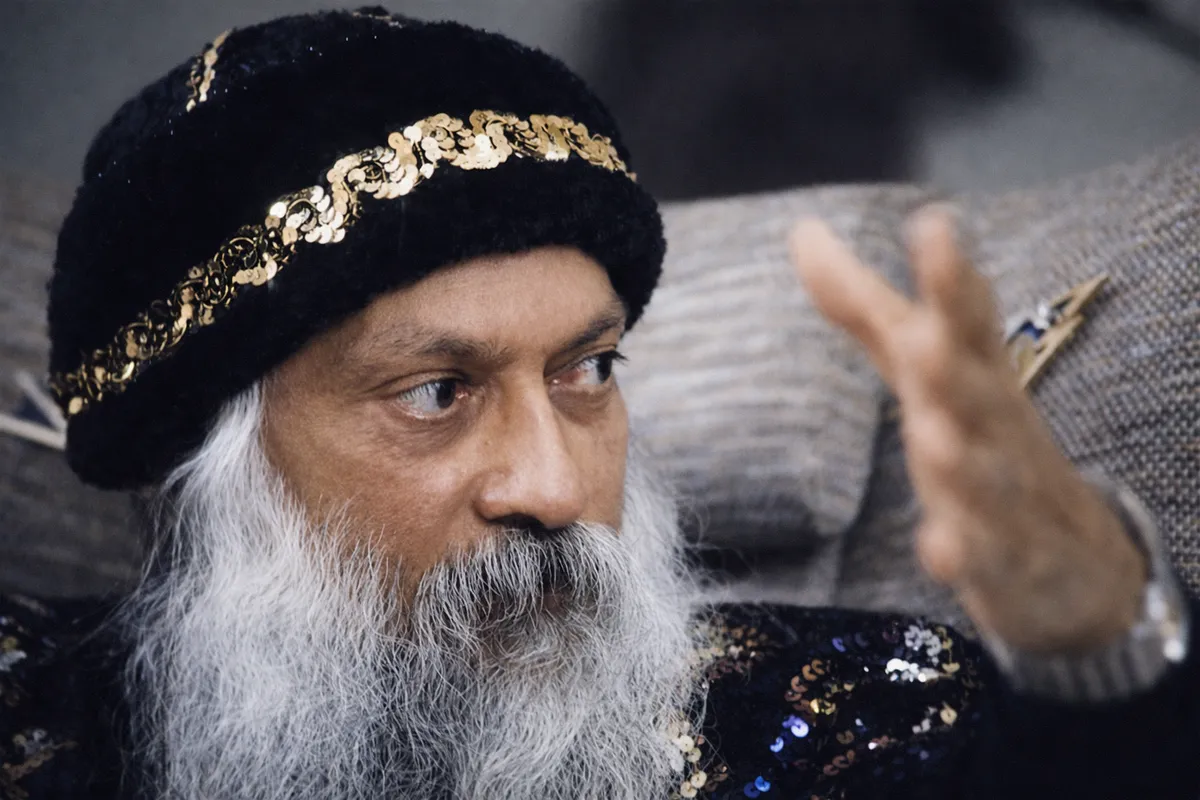
"Zen: The Diamond Thunderbolt" captures Osho's profound exploration of Zen as a path to enlightenment marked by sudden realizations and transformative insights. Throughout the series, Osho unravels Zen's enigmatic nature, emphasizing its direct approach to spiritual awakening that cuts through the confusion of doctrinal philosophies and rituals. He portrays Zen as a powerful force—comparable to a thunderbolt—that shatters illusions and mental constructs, urging individuals to perceive the simplicity and immediacy of the present moment. Osho challenges conventional thinking by highlighting the paradoxes within Zen, urging seekers to transcend dualities and attune themselves to the silence and emptiness that underpin all existence. He underscores Zen's emphasis on awareness and mindfulness, portraying these as the keys to unlocking the inherent potential within every being. Infused with anecdotes, humor, and unorthodox teachings, Osho's discourse acts as a catalyst for self-discovery and inner liberation, illustrated through his characteristically engaging narratives and sharp-witted dialogues. This series offers a unique blend of timeless wisdom and radical vision, revealing Zen as a dynamic and living tradition capable of guiding modern seekers toward profound inner transformation and ultimate freedom.
-
Chapter 1: The whiskers of the pebble
Zen rejects intellectual meaning in favor of lived significance; buddhahood is a sudden, wordless 'diamond thunderbolt' beyond asking 'What is Zen?'
-
Chapter 2: Unfettered at last
Freedom is inner: rediscovering the cloud-like, tracerless life beyond outer knowledge; the enlightened are existential rebels who transcend all boundaries.
-
Chapter 3: Osho!
The Way is inner awakening: drop the ego like a dragon, still thought like a withered tree; lose your life to find universal life, not a path.
-
Chapter 4: The clouds never make any commotion
Living and dying gracefully: the body is chemistry while a silent, healthy witnessing consciousness remains; enter deep silence to live and die peacefully.
-
Chapter 5: The great matter
Wearing the robe without grasping the Great Matter is deepest misery: Zen teaches dropping the mind, discovering inner awareness beyond senses and forms.
-
Chapter 6: The hidden road
Outer knowledge and possessions breed misery; the true 'great matter' is turning inward to discover the hidden door of buddhahood—just one step to silence.
-
Chapter 7: Life is not a dictionary
Life is not a dictionary: true transmission is existential, not mere knowledge; discipleship means inner transformation beyond words and past masters' titles.
-
Chapter 8: Let my name be traveler
Being 'here' is the entry: discipleship, not information; Myoshu's six-year waiting shows doors are always open—no entry is needed for awakening; be present.
-
Chapter 9: The man of experience forgets the desire to condemn
Buddhahood is the ever-present center beyond birth and death; experience dissolves condemnation into compassion, awakening wakes sleeping buddhas.
-
Chapter 10: The whole existence waits for the right moment
Ejo's patient surrender to Dogen leads to the 'one hair' — the diamond thunderbolt — piercing myriad holes: enlightenment ripens through silent waiting.
-
Chapter 11: Not looking, it becomes clear
True understanding arises in silent nonseeking: words and looking cloud the moon; maturity is finding inner nothingness, waiting, and not mistaking reflections.
-
Chapter 12: Wanderers in the sky of freedom
Zen anecdotes demand lived innocence, not scripture; become lakes receptive to the master's rain—how long to fill depends on your intensity and surrender.
-
Chapter 13: Today the bird opens its wings
Silence reveals the host within: drop the mind's chatter and false personality to meet your true, timeless self—where guest and host merge in freedom.