
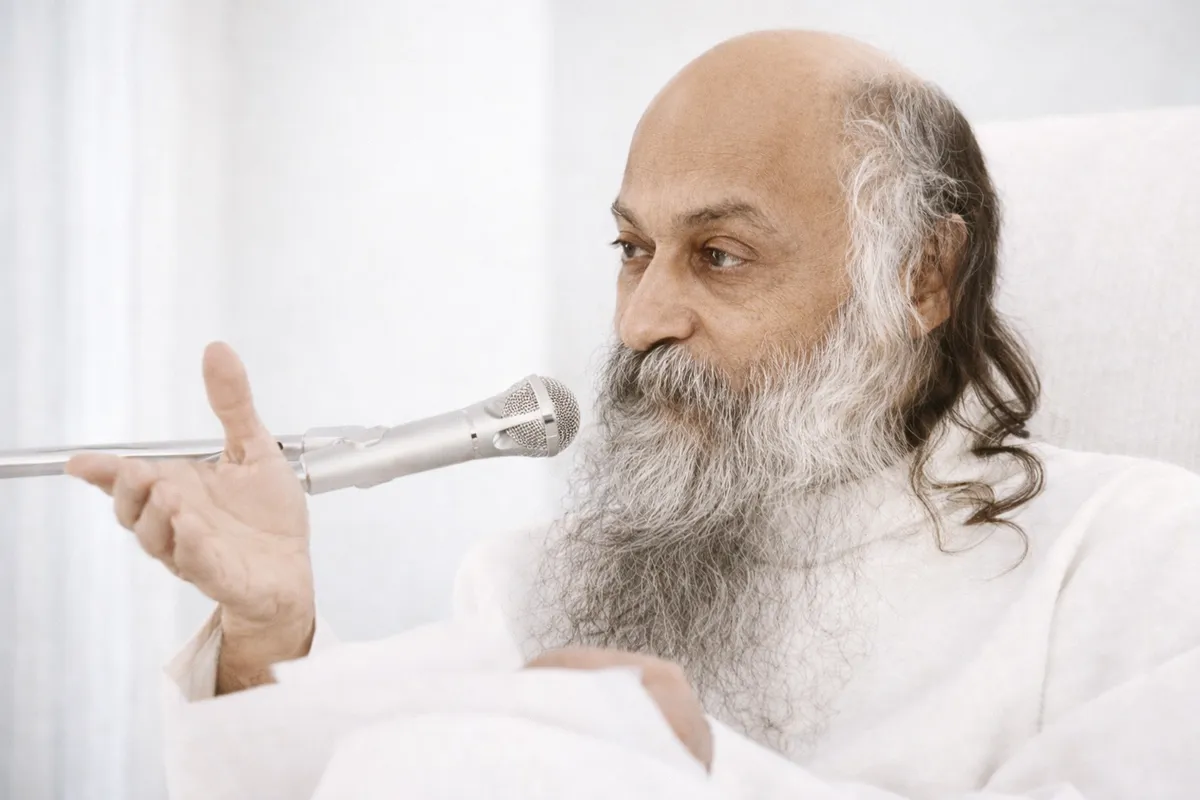
"Zarathustra: A God That Can Dance" is a profound exploration of the teachings of the ancient Persian prophet, Zarathustra, through the eyes of the modern mystic, Osho. In this series, Osho breathes new life into the often misunderstood figure of Zarathustra, unveiling the depth of his insights with characteristic wit and a keen sense of the contemporary human condition. Osho presents Zarathustra not merely as a prophet, but as a symbol of the divine potential within each individual, emphasizing the celebration of life, laughter, and joy—qualities that unite the divine with the human experience. Challenging conventional religious dogmas, Osho reframes spirituality as a dynamic and personal journey, inviting individuals to embrace their own divinity while reveling in the dance of existence. Throughout the series, Osho dismantles notions of a distant, authoritarian God, advocating instead for a godliness that is accessible, personable, and intertwined with every moment of life. This discourse weaves together themes of individuality, creativity, and freedom, urging seekers to transcend societal constraints and dogmatic beliefs to discover a deeply personal spiritual path. In celebrating Zarathustra, Osho elegantly sketches a visionary path towards self-realization, encouraging a dance with the divine that is both vibrant and transformative.
-
Chapter 1: Prologue part 1
Zarathustra descends from mountain solitude to share overflowing, life-affirming wisdom—courage to be human again, reclaim joy, play and conscious living.
-
Chapter 2: Prologue part 2
Zarathustra returns from solitude to bring the gift of aloneness and life-affirming love to sleepers, refusing charity, declaring God a human projection.
-
Chapter 3: Prologue part 3
Zarathustra urges creation of the new man as the meaning of the earth, rejecting otherworldly promises; will you overcome the animal within and become new?
-
Chapter 4: Prologue part 4
The greatest experience is the hour of great contempt — loathing for shallow happiness, reason and false virtue — a lightning that births the Superman.
-
Chapter 5: Prologue part 5
Beware the 'ultimate man'—small, safe, uncreative herd. Awaken inner chaos, silence the ears to listen with the heart, birth dancing stars and awakened humanity
-
Chapter 6: Prologue part 6
Humanity is largely asleep and will misunderstand truth; real teachers seek living companions—fellow creators and harvesters—not herds of believers, to awaken.
-
Chapter 7: Of the three metamorphoses
The spirit transforms: from burdened camel (obedience) through lion’s sacred 'No' (freedom from 'Thou shalt') to the child’s sacred 'Yes'—creative innocence.
-
Chapter 8: Of the despisers of the body and the joys and the passions
The body is sacred intelligence, not enemy of the soul; embrace earthly virtues as unique, lived realities and let the body be gateway to the Self.
-
Chapter 9: Of live and love and of war and warriors
Life is to be loved and danced like a rosebud in dew—joy without purpose; be warrior-ready: love, short peace, choose noble enemies and die innocent.
-
Chapter 10: Of the new idol and of the flies of the marketplace
The state enslaves; true power belongs to creators. Flee the marketplace of petty men into solitude, protect your art, practice moderate poverty and inner dignity.
-
Chapter 11: Of the friend
True friendship arises from inner aloneness and abundance, not need; honor the enemy in your friend and become an arrow to lift him toward the overman now.
-
Chapter 12: Of the thousand and one goals
Values must arise from the individual's inner "I will" not imposed herd "thou shalt"; only creative, life-enhancing values can unite humanity's missing single goal.
-
Chapter 13: Of love of one's neighbor
Escape the crowd: love the distant and cultivate transforming friendship that confronts self-avoidance; choose friends who awaken the future superman
-
Chapter 14: Of the way of the creator
Creativity is the true religion: go apart into solitary courage, burn the ego to create beyond yourself, for only the creator unites with the universe.
-
Chapter 15: Of justice
Justice must be rooted in love, not cold law: respond humanly to harm, preserve dignity, transform enemies by honoring them — where is love-seeing justice?
-
Chapter 16: Of voluntary death
Die at the right time: live fully, create, love and meditate so death becomes a voluntary, triumphant passage — a harvest, not a loss. Make it a festival.
-
Chapter 17: Of the bestowing virtue, part 1
Highest virtue is like gold: rare, useless, self-luminous and bestowing — healthy selfishness; know inner treasures to give. How did gold gain value?
-
Chapter 18: Of the bestowing virtue, part 2
Man is an experiment: awaken inwardly, bestow love and knowledge to renew Earth's meaning; love as highest, useless, rare, self-luminous value.
-
Chapter 19: Of the bestowing virtue, part 3
Zarathustra urges disciples to abandon belief and dependence, embrace aloneness to find themselves, transcend man and create the Superman as a new god.
-
Chapter 20: On the blissful islands
Let go of God-as-supposition; create a human future: become forefathers of the 'superman' by will, not worship. Could you create a God or yourself?
-
Chapter 21: Of the compassionate
Zarathustra: original sin is enjoying too little; true compassion must honor pride, transcend pity, and cultivate creative, hard love that fosters bliss not dependence.
-
Chapter 22: Of the priests
Priests enslave religion by mediating truth, selling scriptures and rituals; only silent, direct contact with existence redeems the soul and frees life.
-
Chapter 23: The night song
Night and light are complementary: darkness brings depth, dreams and authentic love; the giver's solitude and longing reveal choiceless awareness.