
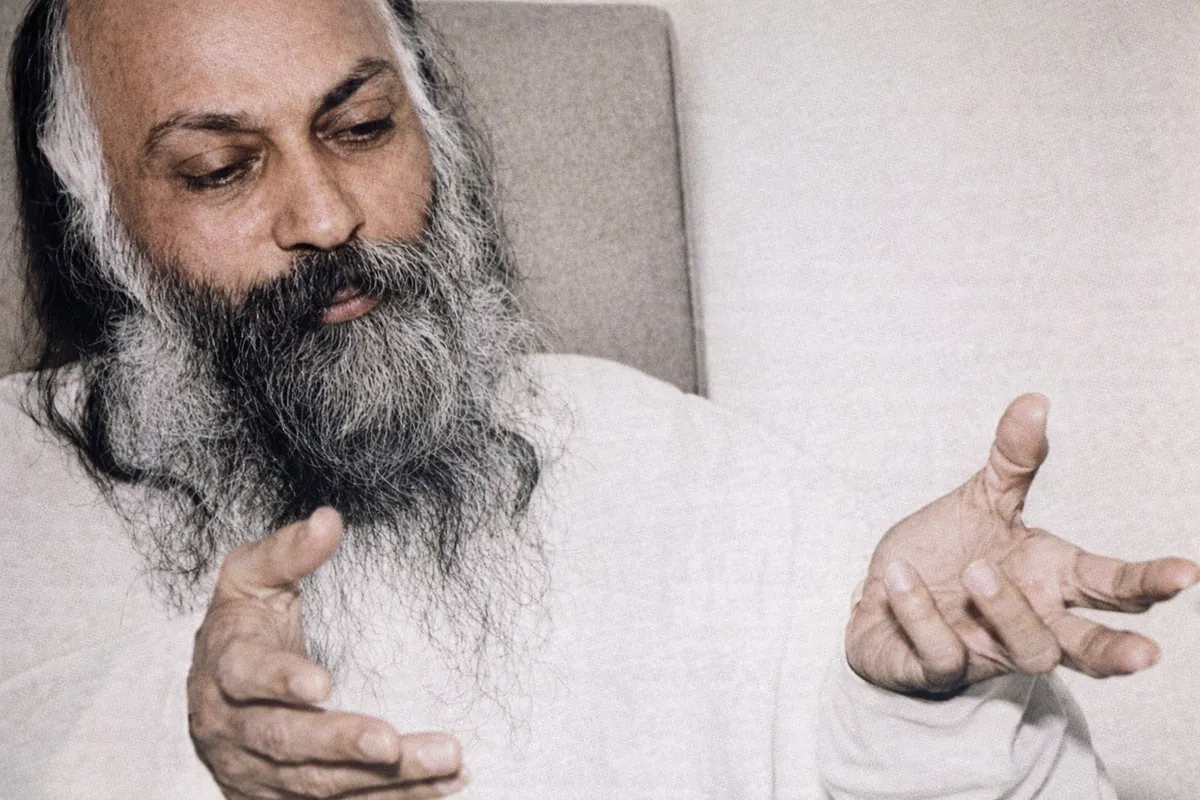
"YAA-HOO! The Mystic Rose" is a profound exploration of human consciousness and the transformative potential of laughter and tears as pathways to enlightenment. Osho masterfully navigates the intricacies of human emotion and spirituality, inviting seekers to embrace their authentic selves. This series unfolds with the understanding that both joy and sorrow are essential components of the human experience and can serve as powerful catalysts for self-discovery and awakening. Osho introduced the Mystic Rose meditation as an innovative practice that integrates laughing, crying, and silent witnessing. This three-week process serves as a deep cleansing of the psyche, unburdening the practitioner of accumulated emotional baggage and societal conditioning. Through engaging with laughter, participants reconnect with their natural spontaneity and childlike wonder. By allowing tears, they confront and release deeply held sorrows, fostering healing and catharsis. The silence that follows these intense experiences paves the way for a serene and profound meditative state. The series reflects Osho's unique perspective, challenging conventional spiritual practices by emphasizing the therapeutic and liberating power of emotions. "YAA-HOO! The Mystic Rose" ultimately guides individuals towards a more profound, authentic existence, illuminating a path to inner freedom and enlightenment.
-
Chapter 1: I am a beginning and an end
Transcendence means losing the 'I', not love; dissolve yourself in trust and intimacy—peeking at the master's radiance is innocent; love frees, it doesn't bind.
-
Chapter 2: Nowhere and everywhere
Near‑death showed your consciousness can slip free; in meditation this is intentional, not hypnotic—you're everywhere, not ‘nowhereland’; embrace it and care for the body.
-
Chapter 3: Heart is the soil -- trust is the climate
Heart is the soil, trust the climate: the mystic rose - your awakened being - blooms through inward trust and the silent transmission of presence.
-
Chapter 4: Laugh and drop the past
Laugh to dissolve past guilt and identities - Osho rebukes German Nazi hangovers and a BUNTE reporter's outrage, urging present freedom and the end of domination.
-
Chapter 5: Blindness and following are synonymous
Blind following equals escape from self; seekers must risk beliefs and solitude to find truth—followers trade inner awakening for comforting crowds.
-
Chapter 6: Let-go -- the fundamental principle
Let-go is the fundamental spiritual principle: drop past and future, relax into pure presence; gratitude and prayer arise naturally when you simply allow being.
-
Chapter 7: No dialogue, no monologue -- yaa-hoo!
True knowing is beyond dialogue: let go the self, drop intellect and be, for enlightenment is silent presence — dialogue serves only the unawakened.
-
Chapter 8: Our longing is for the stars
Yaa-Hoo and two raised hands signify ecstatic longing for the stars; transformation is a playful love affair, not grim 'work'—you are worthy as you are.
-
Chapter 9: Say goodbye to politics -- not to science
Say goodbye to politics, not to science: free research from power, direct technology toward life-affirming uses, and form a global academy to guide discovery.
-
Chapter 10: That flame depends on you
Hi-tech devices can induce meditative brain waves and calmness but cannot create the inner flame of awareness; meditation's awareness depends on you.
-
Chapter 11: These creatures are found everywhere
Authentic disciples cannot condemn their master—condemnation is self-condemnation; pseudo-disciples protect ego. Surrender, even to a woman's mastery, brings peace.
-
Chapter 12: On the flight alone
Kabir wore his cloak with care and left it intact; the swan (soul) must fly alone - liberation depends on conscious being, not place, ritual, or name.
-
Chapter 13: Just ordinary friday
Live here-and-now; don't fear 2017 or prophets - be silent, joyful and loving. Your inner peace spreads ripples that prevent violence and destruction.
-
Chapter 14: The way goes through
True growth requires facing the repressed darkness: suffering must be entered, not bypassed; the master helps but disciples' unconsciousness causes pain.
-
Chapter 15: Never ask, "who am i?"
Never ask 'Who am I?': existence simply IS and is eternal; God-as-creator is unnecessary. Ask 'What can I be?'—discover your creative freedom and divinity.
-
Chapter 16: Helplessness: another name of let-go
Helplessness accepted as our existential truth becomes let-go: surrender releases energy and freedom, dissolving dependence on gods, crowds and false securities.
-
Chapter 17: A no-return state of affairs
Renunciation of money, women and possessions is liberation: relinquishment clears the path to enlightenment; embrace the no‑return leap when life strips you bare.
-
Chapter 18: Love the only freedom from attachment
Love frees from attachment: total love dissolves possession; sex is creative energy not mere reproduction; asks if sex aids meditation—love liberates.
-
Chapter 19: No "I" no "you" -- just a mirror reflecting
The unconscious or 'dark night' is repressed mind; drop mind through meditation to touch universal no-'I' awareness—suicide deepens unconscious, not freedom.
-
Chapter 20: Just a glimpse and the work is done
The master only reveals your ever-present consciousness; a moment of true silence dissolves false conditioning and lets your inner being flower.
-
Chapter 21: I have come again the storm has persuaded me
Storm returns: Osho forgives the apology, warns against taking the master for granted, urges silence, celebrates mistakes, and uses laughter to awaken.
-
Chapter 22: My experience is of the wordless
Religiousness is wordless, living and individual - not organized religion or cult. True spirituality is unorthodox, a remembrance of one's own being.
-
Chapter 23: Enlightenment without bargaining
Enlightenment isn't a future achievement to be sought; it's already present—drop desire, be silent, accept you already are, and stop bargaining for it.
-
Chapter 24: Saying small things with big words
Huang Po's jargon misleads: don't try to void the world—abandon desire and conceptual thinking; awaken awareness so life regains taste, joy and perfection.
-
Chapter 25: A great surgery in the right hands
Hypnosis is a precise surgery to reach deep silence and awakening yet can enslave in wrong hands; authentic presence (darshan) heals and the witness is safe.
-
Chapter 26: To be effortless is just to be spontaneous
Action through inaction: true movement arises from total relaxation and deep awareness—spontaneity, not training; be effortless and authentic.
-
Chapter 27: Love your camel and trust
Don't put trust second to precaution: rely on existence's intelligence and love your camel—care without possessive tethering; trust is lived love.
-
Chapter 28: The art of listening is enough
Learn the art of listening: silence of heart, not mere hearing. It frees you from prophets' will-to-power and attunes you to the master's and universe's pulse.
-
Chapter 29: When your hands are empty
How do you experience enlightenment? It is not an experience but sheer being—an inexpressible self-knowing silence, like holding the whole sky in an open hand.
-
Chapter 30: Laughter and tears -- a cleansing of the heart
Yaa-Hoo/Yaa-Boo: a laughing-and-weeping meditation that cleanses layers of repression, restoring the heart's innocence and revealing silence and joy.