
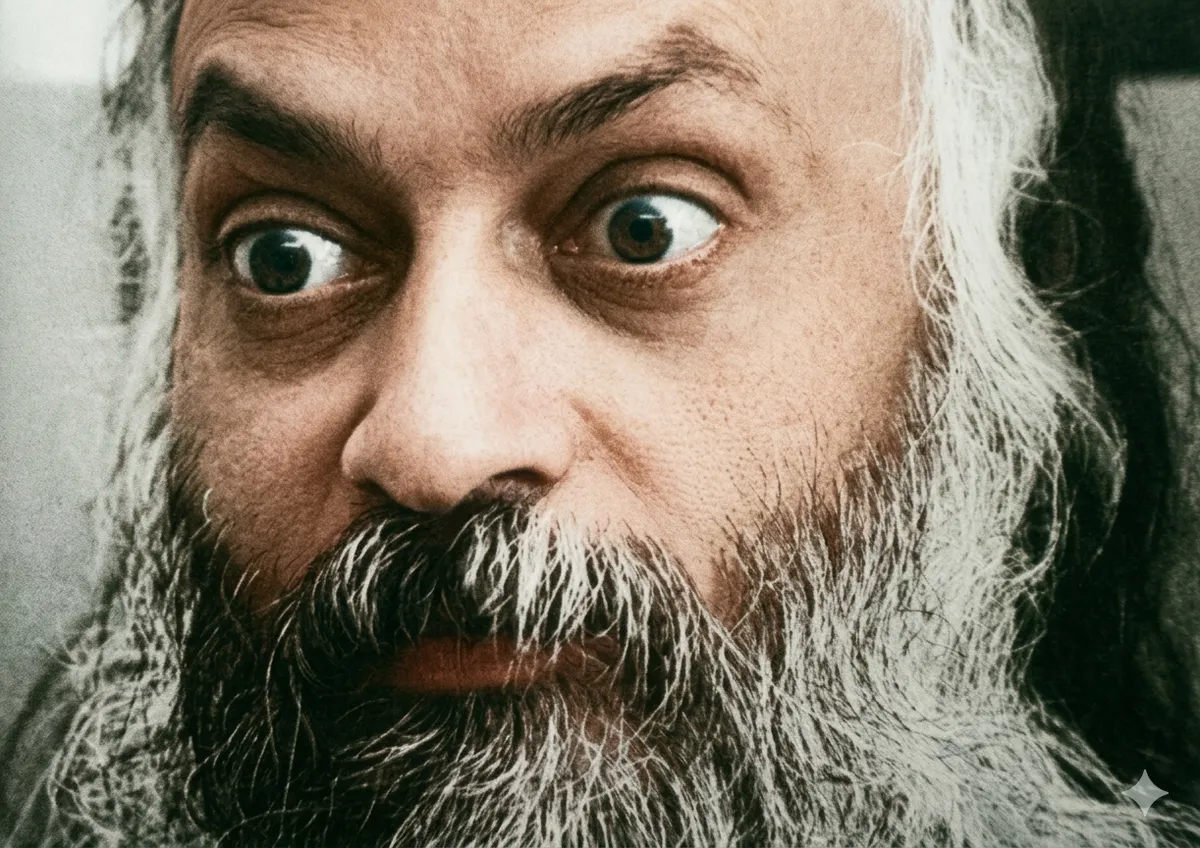
"What Is, Is, What Ain't, Ain't" is a profound discourse series in which Osho explores the intricate dance of reality and illusion. Through his characteristically incisive approach, he encourages listeners to delve into the essence of existence beyond superficial perceptions. Osho dismantles the conventional dualities of 'being' and 'non-being,' advocating a deeper introspection into the nature of truth and falsehood. Central to the series is his assertion that reality is not a rigid construct to be understood but a fluid experience to be lived. Osho's teachings challenge listeners to move beyond the confines of the mind and embrace a state of total awareness where the distinction between what 'is' and what 'isn't' dissolves. He emphasizes the importance of inner silence and meditation as tools for achieving this state of pure observation. By transcending attachment to worldly definitions, individuals are liberated to experience life in a state of authenticity and spontaneity. This series serves as an invitation to embrace the non-dualistic nature of reality, where wisdom arises not from learned concepts but from direct, lived experience. Osho's unique perspective inspires a transformative freedom, encouraging seekers to live fully in the present moment, unbound by illusion.
-
Chapter #1
Radical renaming to "Swami Veet Kalpu" demands total break with the past: drop imagination, witness thoughts in zazen, and cultivate poetic, luminous presence.
-
Chapter #2
Mind's liking preserves the old self: try what repels you (as Gurdjieff did), let will mature into surrender, and love demands sacrifice or separation.
-
Chapter #3
Humming bridges body and mind to conserve energy, opening inner sources; surrendering ego in sannyas and cultivating grace transforms work and readiness.
-
Chapter #4
True richness is being, not having—enrich others by creating consciousness; you cannot make someone happy, only create conditions. Trust, risk, receive—be present.
-
Chapter #5
A guru is a will-less presence whose emptiness awakens truth; disciples must surrender, drop idealized notions of love, and become conscious seekers.
-
Chapter #6
Peace and bliss are your inborn nature; surrender the past, let sannyas be a creative suicide into the present, and choose devotion when confused.
-
Chapter #7
Love as the gateway to totality and present-centered living; society and psychoanalysis enforce future-bound conformity; become a witness to break identity.
-
Chapter #8
Become nothing—lose all claims and possessions; nothingness is liberation, not external renunciation. Repeat 'I am nothing' to relax and live fully.
-
Chapter #9
Eternity is now: time is a mind's distortion; meditation stops time, revealing an inner light that transforms life; awareness dissolves conditioning.
-
Chapter #10
Anand is silent, non-tense joy; sannyas is the first committed step toward it. Reason must be exhausted to allow surrender and the awakening of inner energy.
-
Chapter #11
Love must be risked to be born: from seed to abiding state; fear cripples it. Pure love brings balance and becomes god, so uproot roots and surrender. Intense thirst draws god near.
-
Chapter #12
Use imagination not will to transform; become childlike, drop the past, be true and discover the divine treasure within—commitment, not bargaining, is required.
-
Chapter #13
Prem/atharva: be fire — love-consciousness that enlivens existence. Slow down, try varied meditations, dive into practice; one can visit no-mind.
-
Chapter #14
Be blissful and freedom follows: cultivate joyful aloneness, drop knowledge into innocence, accept death, move sexual energy—live now, don't wait.
-
Chapter #15
Layers of motive hide deeper spiritual urges; be authentic, start externally to let truth arise—Satyakama parable shows truth follows passion and honesty.
-
Chapter #16
Drop inner chatter to awaken loving silence; let the lion's roar break you open, surrender ego, and grow humble love that dissolves death through uncontrol.
-
Chapter #17
Celebrate life's small loving songs; pour love into small things, regain childlike innocence and say yes to life - thinking and ego block joy and true surrender.
-
Chapter #18
True love is cool and centred (anakula), a path to God; accept life's events unconditionally—age, mistakes or disability. Are you too old to take sannyas?
-
Chapter #19
Reflection (vimarsha) is pure mirroring without thought; pass through the desert of emptiness to reach luminous unity, and let energy flow toward God.
-
Chapter #20
Become like a divine breeze - drop goals, accept what is; awareness dissolves madness, and uncentered helpers absorb others' energies unless grounded.
-
Chapter #21
Become a mirror: vimarsho — awake no-thinking; offer bliss as prayer; balance energy—use half, retain half; face inner conflicts through presence.
-
Chapter #22
Divineness is immanent: dissolve personal will to become a shadow of the divine, cultivate inner light and first‑hand knowing; how to know God?
-
Chapter #23
Drop the ego and vibrate with the whole through mantra, unconditional love and acceptance; pass through passion to compassion and embrace life as a group.
-
Chapter #24
Rebellion births inner transformation: love, delight and flowing consciousness through breath, creativity and surrender - overcome resistance to sex and awaken.
-
Chapter #25
Become oceanic consciousness beyond body and mind to find bliss; life has no 'use' to justify destruction—reject clinging and murderous rationalisations.
-
Chapter #26
Allow divine love: receive rather than only give; tolerate the intolerable for breakthrough; use bliss as the touchstone to see past the mind's denials.
-
Chapter #27
Surrender ego and let the divine possess you; bliss is a remembered homecoming. Say 'I don't know' to reopen wonder and be simple in relating.