
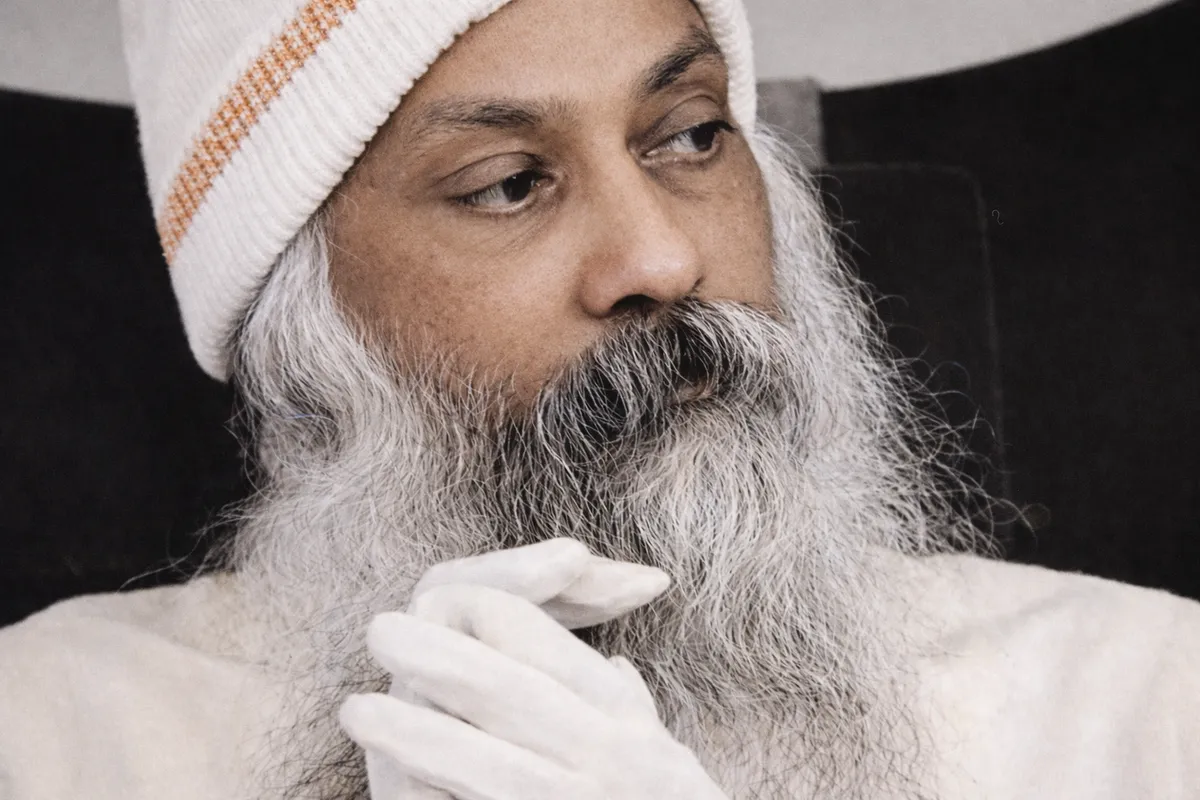
Osho's perspective on Pativratā
When Osho Spoke About Pativratā
Passages from the discourses where this theme comes alive.
Osho, the scriptures lavishly praise the glory of great devoted wives such as Sati Sakkubai, Sati Anasuya, and Sati Savitri. In your view, what does pativratā mean?
These mahatmas you see—they are runaway husbands. Their wives reformed them so well, carried out the pativratā-dharma so thoroughly, made them keep such vows, such headstands, made such a mess of them, that they thought, “Better to become a saint—at least I’ll be worshiped.” Their wives worshiped them—worshiped them in the real sense, in another sense—so they thought, “Better to become a saint.” If women stopped reforming their husbands, I tell you: the numbers of priests, pundits, mahatmas, sadhus would drop at once. Women sustain religion in two ways. First they harass people so much in the name of being religious that one has to become religious—for self-defense if nothing else. And when they do become religious, then women serve them, wash their feet, drink the water of their foot-washing. In every way the honors due to a mahatma—women bestow them. Men don’t. Men know: Arrey, this one’s a deserter!…
छठवां प्रश्न: ओशो, सती सक्कूबाई, सती अनसूया, सती सावित्री जैसी महान पतिव्रता साध्वियों की महिमा का शास्त्रों में बहुत उल्लेख है। आपकी दृष्टि में पतिव्रता का क्या अर्थ है?
ये तुम्हें जो इतने महात्मा दिखाई पड़ते हैं, ये भागे हुए पति हैं। पत्नियों ने इन्हें ऐसा सुधारा, उन्होंने पतिव्रता-धर्म ऐसा निभाया, ऐसे व्रत इनसे करवाए, ऐसे शीर्षासन करवाए, ऐसी इनकी मिट्टी पलीद की, कि इन्होंने सोचा इससे तो महात्मा ही हो जाना बेहतर है, कम से कम पूजा तो मिलेगी। पत्नियों ने इनकी ऐसी पूजा की--दूसरे अर्थ में पूजा, असली अर्थ में पूजा की--कि इन्होंने सोचा इससे तो महात्मा हो जाना बेहतर है। अगर स्त्रियां पतियों में सुधार करना बंद कर दें तो मैं तुमसे कहता हूं: दुनिया में पादरी, पुरोहित, महात्मा, साधु, इनकी संख्या एकदम गिर जाए। स्त्रियां दोहरे तरह से धर्म को सम्हाल रही हैं। पहले तो वे लोगों को इतना सताती हैं धार्मिक होने के लिए, कि उनको धार्मिक होना पड़ता है। आत्मरक्षा के निमित्त ही होना पड़ता है। और जब वे धार्मिक हो जाते हैं तो स्त्रियां उनकी सेवा करती हैं, चरण धोती हैं, चरण धो-धो कर पानी पीती हैं। सब तरह से महात्मा का जो-जो स्वागत-सत्कार होना चाहिए, स्त्रियां करती हैं। …
Osho, yesterday you said that when anger is watched consciously, it dissolves. But why is it that when sexual desire arises, even in awareness its intensity persists? Why is it so?
There is no entanglement in the breath. If you try to practice on anger… Anger is not happening every moment; it happens sometimes. And when it happens, it happens with such intensity that you are already going deep into it; so much is at stake in those moments that you may think, “We will look into awareness later; first let’s settle this now.” Lust is very deep, because existence has made it so deep; life depends on it. If lust were so easy that you decided and were freed, perhaps you would not even have been born—because many before you would have become free, and the possibility of your being would have been almost nil. But your parents, and their parents, did not become free; therefore you are. You too will not get free so easily, because your children are also to be—they are waiting: “Do not run away midway.”…
दूसरा प्रश्न: ओशो, आपने कल कहा कि क्रोध को होशपूर्वक देखने पर क्रोध विलीन हो जाता है। लेकिन क्या कारण है कि कामवासना के उठने पर होश में भी उसकी प्रगाढ़ता बनी रहती है। ऐसा क्यों है?
श्वास में कुछ झंझट नहीं है। अब तुम या तो क्रोध पर साधोगे...। क्रोध रोज तो होता नहीं, प्रतिपल होता नहीं, कभी-कभी होता है; जब होता है तब इतनी प्रगाढ़ता से होता है कि तुम गहरे में उतर रहे हो; जब होता है तब इतनी बातें दांव पर लग जाती हैं कि शायद तुम सोचोगे, ‘फिर देख लेंगे होश इत्यादि! यह अभी, अभी तो निपट लें।’ कामवासना तो बहुत गहरी है, क्योंकि प्रकृति ने उसे बहुत गहरा बनाया है, क्योंकि जीवन उस पर निर्भर है। अगर कामवासना इतनी आसान हो कि तुमने चाहा और छूट गए, तो तुम शायद पैदा ही न होते, क्योंकि तुमसे पहले बहुत लोग छूट चुके होते; तुम्हारे होने की संभावना न के बराबर होती। मगर वह तो तुम्हारे माता-पिता उनके माता-पिता नहीं छूट सके, इसलिए तुम हो। तुम भी इतनी आसानी से न छूट जाओगे, क्योंकि तुम्हारे बच्चों को भी होना है; वे भी प्रतीक्षा कर रहे हैं कि ऐसे भाग मत जाना बीच से। जीवन बहुत कुछ टिका है कामवासना पर। इसलिए उसका छूटना इतना आसान नहीं है। असंभव नहीं है, आसान भी नहीं है। …
Osho, is it impossible to attain godliness without sannyas, or is sannyas only the gateway to Truth? Please explain.
Harsh Kumar! What on earth can I explain? And even if I do, will you understand? Your very question is sheer non-understanding. Do you think godliness and Truth are two different things? Just reconsider your question. You ask: “Is it impossible to attain godliness without sannyas, or is sannyas only the gateway to Truth?” Call it the gateway to Truth or to godliness—same thing. Truth and godliness are one. In your eyes it seems godliness is something far beyond, very lofty—and sannyas is merely the door to Truth! What remains after Truth? Godliness is contained in Truth. And you ask as if, if it’s “only a door,” then perhaps we can manage without sannyas. But how will you enter without a door? You ask: “Or is it only a door?” Then do you intend to walk through the wall? By your name you don’t seem like a Sardar—Harsh Kumar! But…
दूसरा प्रश्न: ओशो, संन्यास के बिना भगवत्ता को पाना असंभव है या संन्यास सिर्फ सत्य का द्वार है? कृपया समझाएं।
सत्य का द्वार कहो या भगवत्ता कहो, एक ही बात है। सत्य और भगवत्ता एक ही है। तुम्हारी नजर में ऐसा लग रहा है कि भगवत्ता कोई बहुत और बात है, बहुत ऊंची--और संन्यास तो केवल सत्य का द्वार है! सत्य के बाद भी कुछ बच रहता है? सत्य में भगवत्ता समा गई। और तुम ऐसे पूछ रहे हो कि सिर्फ द्वार ही हो तो फिर बिना संन्यास के चल जाएगा। मगर बिना द्वार के प्रवेश कैसे करोगे?
Osho! I have been listening to you for years, and I listened again yesterday. It seems that in general you honor women with deep compassion and appreciation. But when you speak of a woman in the role of a wife, you scold her and depict a very different image. Why is that?
An hour later, when he came out and walked back toward the ship with his friends, the friends began telling him what all they had done. They asked Gandhi what had happened. Poor fellow—what could he say! He kept it hidden. Later, years later, he wrote in his autobiography that nothing happened—nothing could have happened; he just sat there with eyes lowered. The woman took so much pity on him that she even returned his money. “Brother, take your money back. If the loss of the money grieves you, then at least take it back. And if you need anything, say so.” She felt such compassion: “What kind of man is this!” The ways women have always used in their behavior, rebellion, revenge—those are precisely what Gandhi used. He gave them sweet names—ahimsa, nonviolence; satyagraha, the force of truth. If a man gets angry, he will beat the woman; if…
चौथा प्रश्न: ओशो! मैं आपको सालों से सुनती हूं और कल भी सुना, तो लगा कि आप स्त्रियों के प्रति सामान्यतः अत्यंत करुणा भाव से सराहना करके उनको सम्मान देते हैं। मगर जब स्त्री की बात पत्नी के रूप में करते हैं, तब उसे डांटते हैं और बहुत अलग ही रूप में चित्रित करते हैं। ऐसा क्यों?
… यह तो आत्मकथा में बाद में उन्होंने लिखा, वर्षों बाद, कि कुछ नहीं घटा। घट सकता ही नहीं था। वे तो आंखें झुकाए बैठे रहे। उस स्त्री को इतनी दया आई कि जो पैसे दिए थे, वे भी उसने इनको कहा कि भैया, तुम अपने पैसे भी वापस ले जाओ। पैसों का दुख हो रहा हो तो ये पैसे ले लो। और कुछ जरूरत हो तो बोलो। उसको इतनी दया आई कि यह बेचारा किस तरह का आदमी है! स्त्रियों का जो सदा-सदा से ढंग रहा है व्यवहार का, विद्रोह का, प्रतिशोध का, वही गांधी ने उपयोग किया। नाम उसको प्यारे दे दिए--अहिंसा, सत्याग्रह। अगर पुरुष को क्रोध आता है तो वह स्त्री को पीटेगा; अगर स्त्री को क्रोध आता है तो वह खुद को पीटती है। …
What does pativratā mean?
definitionProfound Quotes on Pativratā
Explore our structured collection of meaning-mapped quotes regarding Pativratā.