
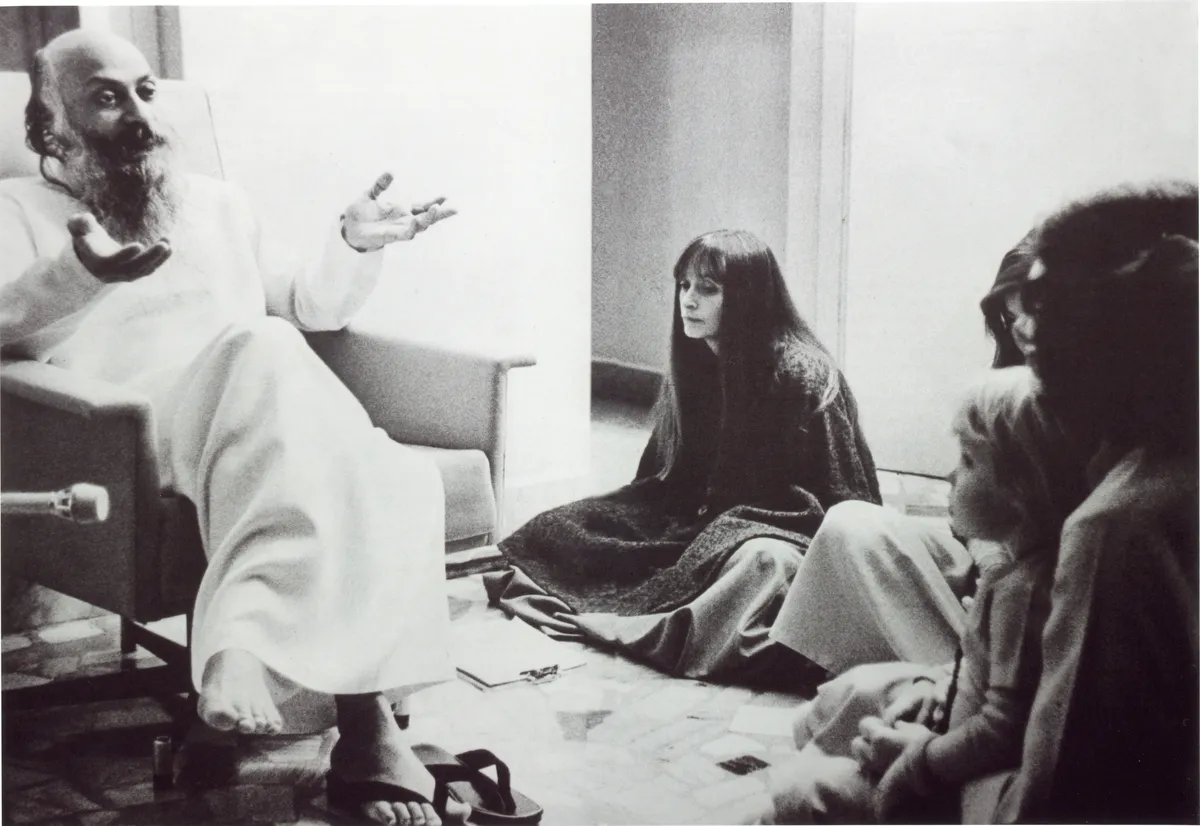
"This, This, A Thousand Times This: The Very Essence of Zen" encapsulates Osho's profound exploration of Zen as the ultimate realization of the present moment. Throughout this enlightening discourse series, Osho presents Zen not merely as a philosophical concept but as an experiential journey that transcends traditional metaphysical understandings. In his characteristic style, he deconstructs complexity to reveal the elegance of simplicity inherent in Zen practice. Osho emphasizes the importance of being fully present, urging listeners to embrace each moment with total awareness and authenticity. Through engaging anecdotes, paradoxes, and humor, he dismantles intellectual barriers, inviting individuals to experience life with childlike wonder and openness. He elaborates on the concept of 'suchness'—an acceptance of life as it is, untainted by the mind's constant interference. This series delves into the dichotomy between thinking and knowing, encouraging a shift from cognitive processing to direct experience. Osho's dialogues engage deeply with the core of Zen teachings, emphasizing meditation as a pathway to inner peace and awakening. By challenging conventional perceptions, Osho inspires a transformative shift in consciousness, guiding listeners towards an unruffled state of being where the essence of Zen is realized simply as 'this.'
-
Chapter 1: Zen -- your very essence
Zen as your very essence: dissolve conditioned poison through Mystic Rose - laugh, weep, become a silent watcher and finally let go to rediscover true being.
-
Chapter 2: The bamboos speak
Thisness: the immediate, wordless presence — 'This!' — is the essence of awakening; Seppo's silent gate, Ganto's reply and bamboo commentaries call to live the moment.
-
Chapter 3: This... is the whole sermon
Silence precedes teaching: through wholehearted work the mind stills; Hyakujo's spread arms become the whole sermon, a wordless transmission of being.
-
Chapter 4: The heartbeat of the universe
Tozan's paradox: don't avoid cold or heat but meet them totally—sink into the inner center where dualities dissolve; hear insentient sermons; Zen as lived being
-
Chapter 5: Freedom is my god
Freedom is my god: reject world-emperors and domination; Zen's 'This, this' points to immediate suchness, no-mind. Be yourself and drop borrowed thoughts.
-
Chapter 6: The finger pointing to nothing
Buddhahood is your isness; any sense-even touch-can trigger realization (the bath anecdote) if total attention replaces thought; intuition is no-mind.
-
Chapter 7: Why be a beggar?
Zen is pure presence: silence, not belief. Dogo teaches Soshin that ordinary acts are guidance; cease begging for affirmation—be enough in the moment.
-
Chapter 8: Dancing madly from eternity to eternity
Zen is recognition, not achievement: like Hyakujo's ember awakening Isan, your buddha-nature is remembered, not obtained—are you listening now?
-
Chapter 9: A jungle of flames
Light is within, not given: Tokusan's failure to answer "which mind will you light?" (past/present/future) ends in awakening when Ryotan blows out the candle.
-
Chapter 10: Nothing is so daring as zen
Scholarship blocks awakening: Kyogen burns books, laughs when a stone strikes bamboo—Zen demands dropping learned words and pointing consciousness to THIS.
-
Chapter 11: No beginning and no end
Zen declares no beginning and no end: means and end are one; true sovereignty is inner presence beyond ceremonies, sticks, critics, or external judgments.
-
Chapter 12: Your depth is infinite
Zen is like a frozen spring: stare and you can't see the bottom — your depth is infinite; who are you asking when you seek answers? Stop seeking; silence speaks
-
Chapter 13: Five doors into your house
Zen is direct, wordless seeing: the five senses are doors but one fully awake awareness is enough. 'Where are you going?' — you are the Buddha, here now.
-
Chapter #14
Silence, the roseflower, and Mahakashyapa show Zen's teaching: truth is not a secret but lived in wordless presence; innocence, not knowing, is the gateway.
-
Chapter 15: All arrows converge on this
If asked a hundred years later say: 'It is simply this.' The teaching is immediate, wordless thisness—drop desire and be fully present and awake now.