
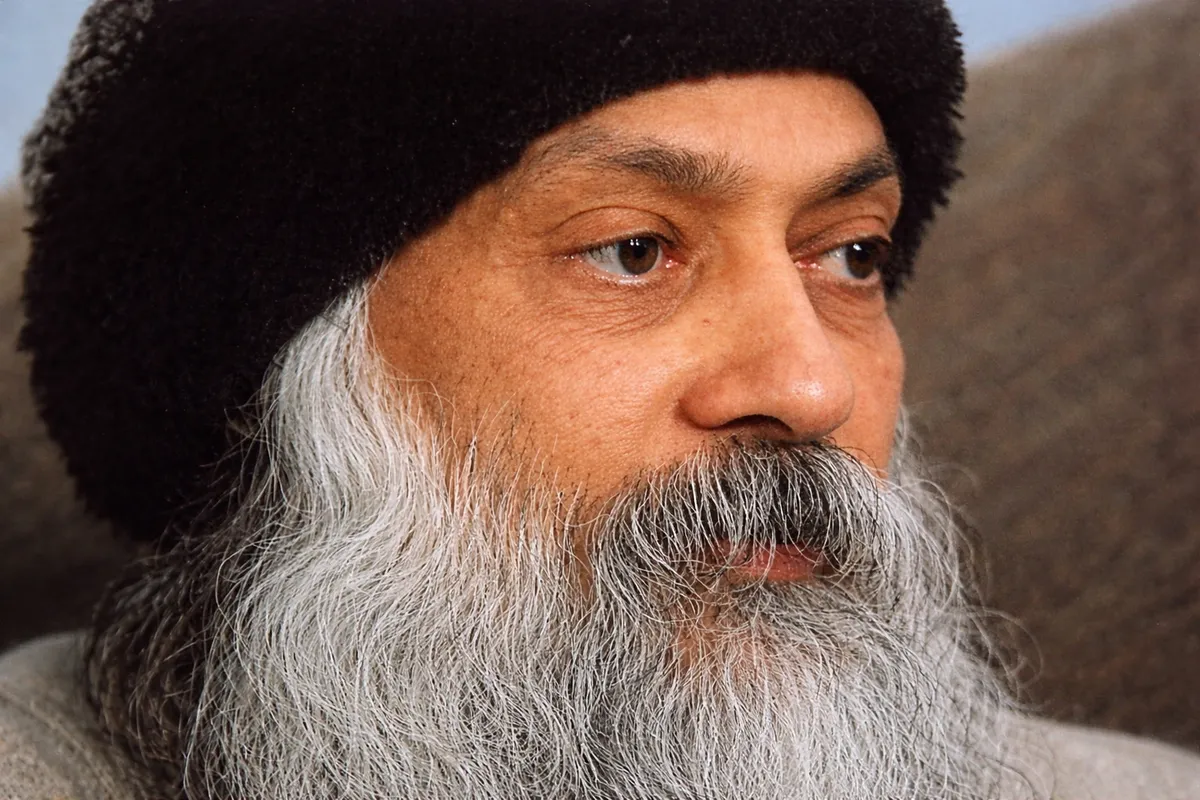
"Theologia Mystica" by Osho is a profound exploration of the mystical dimensions of spirituality, delving into the veiled intersections of religious doctrine and personal experience. Osho, with his unparalleled ability to illuminate spiritual truths, guides the reader through a journey of understanding beyond conventional theology, urging an experiential approach to the divine. He steers away from traditional dogmas, instead encouraging a direct, transformative encounter with the mysteries of existence. Core to this discourse is the theme of rediscovering the sacred within the mundane and realizing one's innate potential for spiritual enlightenment. Osho emphasizes the limitations of language and intellect in capturing the essence of mystical experience, advocating for a meditative silence that transcends spoken word. Through anecdotes, paradoxes, and poetic insights, Osho challenges established beliefs and invites seekers to embrace uncertainty and the unknown as pathways to true understanding. This series offers a unique perspective on transcending orthodox religious boundaries to attain a personal, authentic, and profound connection with the divine, highlighting the necessity of inner alchemy in the quest for truth, freedom, and ultimate liberation.
-
Chapter #1
Transcend dualities and knowledge: surrender into agnosia - a radiant, translucent darkness beyond thought and being; prayer transforms you and reveals oneness.
-
Chapter 2: God is a Ventriloquist
God is a ventriloquist: the divine sings through you; true song and freedom arise from being, not ego. Observe and accept attachments instead of renouncing them.
-
Chapter 3: True Life
Life is insecurity: choosing security is choosing death; embrace the unknown to find love, ecstasy and truth — unlearn fear taught by upbringing and religion.
-
Chapter 4: Mystical Unknowing
Truth lies in radical unknowing (agnosia): transcend words, affirmations and negations, beyond creator/creature duality; silence reveals what theology cannot.
-
Chapter 5: Man's is Life's Invention
Logic is skin-deep; life is vast and illogical—man is life’s invention. To what extent does life have relevance to logic? Only minimally; meditation is needed.
-
Chapter #6
Individuality is fragile, egoless and divine, an indivisible openness; personality is a manufactured, stubborn mask born of fear. Become a flute for existence.
-
Chapter 7: Translucent Darkness
Translucent darkness: God is known by unknowing—via negativa—abandoning things rather than theological affirmations; meditation dissolves ego and distinctions.
-
Chapter 8: The Real Magic
True magic is existence itself: everyday life, silence and love are miraculous; siddhis and walking on water distract seekers and inflate ego —a caution.
-
Chapter 9: I laughed
Reject convictions; use doubt to discover awareness. Ego isn't dropped but seen through; creativity flows from egoless emptiness; enlightenment dawns in laughter
-
Chapter #10
From particulars to the universal: intellect dissolves into unknowing and perfect silence; true knowing transcends language, yet compassion may compel expression.
-
Chapter 11: The Real Alcoholics
Mysticism is translucent darkness beyond logic, embracing contradictions; religion‑born fear kills love, fuels communal violence and urges cultural rebirth.
-
Chapter #12
Distinguishes teacher, Master and perfect Master: perfect Masters transmit presence beyond knowledge; warns dissecting love with knowledge kills its mystery.
-
Chapter 13: Neither This Nor That
Dionysius' endless negations expose theology's jargon: beyond names, attributes and affirmations lies agnosia — freedom in nothingness, not omnipotent enslaver.
-
Chapter 14: Understanding is Enough
The priest-made 'fear of God' enslaves; understanding dissolves the inner priest. True liberation arises from fearless awareness, not dependence on authority.
-
Chapter #15
Unconditional love is timeless and uncaused; desire for enlightenment and repression turn love into lust, while meditation dissolves the ego.