
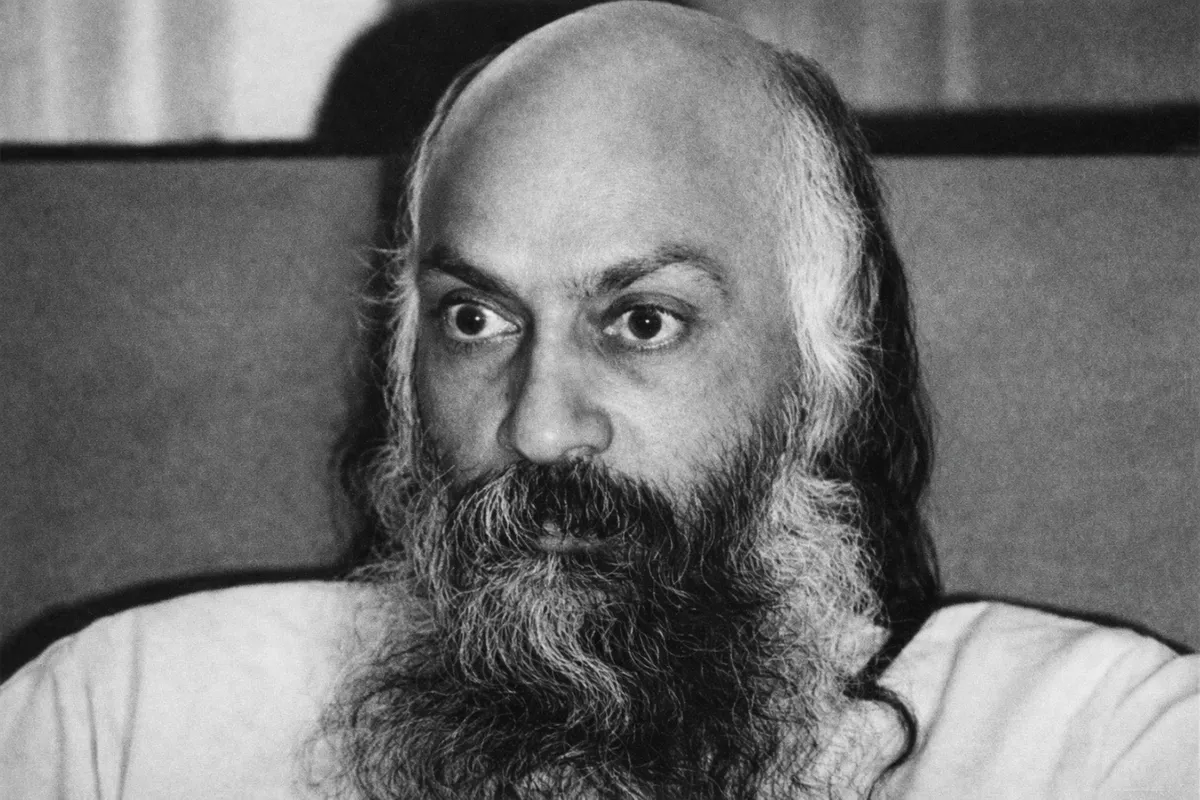
"The Supreme Doctrine" is a profound exploration of the intricate layers of spiritual awakening, as unravelled by Osho's distinctive lens. These discourses delve into the essence of transformative wisdom, urging seekers to move beyond conventional understanding and embrace the delicate subtleties of the self. Osho challenges the intellect-driven perspectives that dominate modern spiritual practices, advocating instead for a heartfelt, experiential journey towards consciousness. At the core of this series is the concept of transcending dualities, where Osho encourages a union of inner contradictions to uncover the inherent harmony in life's chaos. He deftly navigates through the teachings of Zen and Eastern philosophies, intertwining them with contemporary insights, to guide individuals on a path toward self-realization. Central to Osho's teachings is the notion of embracing uncertainty and embracing the 'now,' stripping away layers of conditioned thought to awaken the supreme doctrine within each soul. This series is not merely instructional but beckons a deep introspection, inviting the reader into a dance of existential inquiry, where the ultimate truth can be perceived as a living, evolving presence rather than a static pursuit. Through wit, clarity, and profound paradoxes, Osho invites us to experience the sublime consciousness that lies beyond the known and the unknown.
-
Chapter 1: Toward the Awakening
AUM invocation: drop knowledge, reclaim childlike playfulness, unite body and mind, emphasize exhalation and surrender; group meditation and total let‑go awaken.
-
Chapter 2: Transcending the Basic Duality of Sex
Transcend sexual duality by uniting inner masculine and feminine to awaken eternal life beyond birth and death; who truly impels mind, speech and senses?
-
Chapter 3: Surrender and I Will Transform You
Surrender transforms: the master is a nobody whose non-doing and presence dissolve the ego, awakening your own energy; catharsis and yes-saying make you whole.
-
Chapter 4: The Unknowable Self
The self is unknowable by objective means; it self-reveals when mind, speech and eyes are dropped; know the inner knower, not outer objects by inner experience.
-
Chapter 5: It is Your Being
Intellect denies; faith dissolves doubt—saying yes ends thinking so Being can arise. Active meditation breaks bodily armor and lifts energy into silent being.
-
Chapter 6: God Is Existence
God is existence, not a person; prayer projects idols while meditation reveals Brahman within-witness thoughts with indifferent silence to find the true Self.
-
Chapter 7: Meditation and the Inner Eye
Worshipping the master is a necessary beginning; the master destroys conditioning so worship dissolves and the disciple discovers the divine within.
-
Chapter 8: Beginningless Beginning, Endless End
Knowing Brahman dissolves the ego: one both knows and does not know, for the ultimate is an unknowable, beginningless mystery that deepens inquiry.
-
Chapter 9: Death: The Climax of Life
Relax into the death of the ego: total surrender or disciplined method dissolves resistance; love readies you for death and eases meditation deeply.
-
Chapter 10: The Eternal Play of Existence
Brahman is an ever-living process: knowing not knowledge; renounce past attachments, stay open and receptive to the eternal, purposeless play of existence.
-
Chapter 11: Truth or Trick?
Die to the past: use memory as instrument, live in the present; desire must be experienced to exhaust it; trust neither guru's words nor lies - be total.
-
Chapter 12: The Great Circle of Brahman
Ego arises from disturbance; true being is egoless silence. The devas' parable shows Brahman as the impersonal source and exposes the illusory 'doer'.
-
Chapter 13: Man Can Be Transcended
Ego-rooted problems cannot be cured by psychoanalysis, which merely adjusts; meditation and total surrender create a witnessing consciousness that dissolves them.
-
Chapter 14: Knowing All Through the One
Mind is abstract; senses touch but cannot recognise; sex (Uma) mediates mind's knowing of Brahman-Indra's question 'Who was this spirit?' is answered.
-
Chapter 15: Now You Can Go
Mythical gods are inner symbols and visions of altered states; love differs from surrender — drop the ego and control to attain true freedom.
-
Chapter 16: The Great Dance of Suchness
Tat-'that'-is ultimate suchness: meditate, not pray; accept life's suchness, dissolve ego; Brahman is dance; creator and created are one — Upanishad.
-
Chapter 17: Make Every Moment a Celebration
Sin is ignorance, not acts; awakening to Brahman dissolves guilt and past deeds like a dream; live in awareness, make every moment a celebration.