
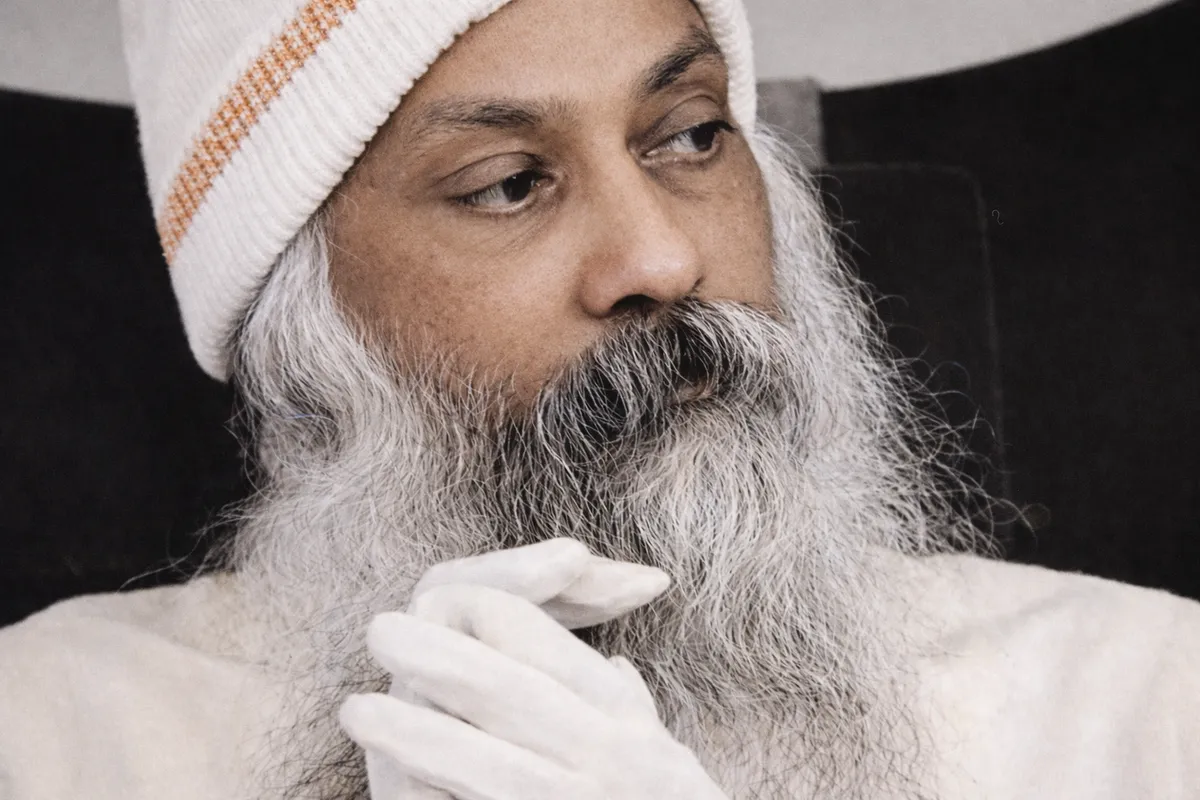
The discourse series "The Rebel" by Osho invites a profound exploration into the essence of rebellion as intrinsic to personal and spiritual awakening. Unlike traditional notions of rebellion that imply conflict or violence, Osho reframes it as a deeply intrinsic process of breaking free from societal, cultural, and psychological conditioning. According to Osho, a true rebel is one who transcends conformist patterns to reclaim the authentic self—a state of being that is not burdened by the impositions of religion, politics, or societal norms. He emphasizes that this rebellion is not an outward fight against the world but an inward journey toward absolute freedom and natural harmony with existence. Osho's unique perspective dismantles the false identities perpetuated by external authorities, calling individuals to awaken to their true nature and potential. Through humor, paradox, and sharp insight, Osho challenges conventional beliefs, encouraging seekers to live passionately and without compromise. The rebel, in Osho’s vision, is not merely a social outsider but a spiritual pioneer, courageously navigating the path to enlightenment. This discourse series serves as a guide for anyone willing to embrace their true essence and live a life of liberation, love, and creativity.
-
Chapter 1: The rebel: the very essence of religion
True rebellion is spiritual: change the individual’s consciousness, not political structures; revolution fails. Cultivate inner revolt, joy and tears together.
-
Chapter 2: Beyond the capacity of the mind
Mind cannot fabricate meditation; true meditation is silence beyond mind—trust those glimpses. Question: can one trust fleeting meditative states?
-
Chapter 3: Enlightenment is not a device
Enlightenment isn't a trick or shortcut but an absolute reality; longing converts the miles into steps—presence nourishes but must ignite your passionate search.
-
Chapter 4: The rebel is utterly innocent
The rebel is utterly innocent: he trusts only his own experience, rejects borrowed beliefs and power, lives alertly in the present and rediscovers lost innocence.
-
Chapter 5: Renounce the past, not the world
Renounce the past, not the world: rebels stay in society, reject imposed morals and ignorance, embrace responsibility, awareness, and become aflame to inspire others.
-
Chapter 6: Herald a new dawn
The rebel is a new category—born to shatter compromises, awaken a new man and save humanity; he belongs to no past and must create his own future.
-
Chapter 7: No more ready-made gods
Reject ready-made gods and repressive sages; become the rebel who creates a human god, honors nature, and cures indecisiveness by simply being true.
-
Chapter 8: Zorba the buddha -- man of the future
Zorba the Buddha: the new man who heals humanity's schizophrenia by embracing matter and consciousness together, dancing with life while awakening into depth.
-
Chapter 9: Society's justice is revenge
Society's 'justice' is revenge; true justice removes causes—poverty, repression, celibacy, money—treating crime as illness and reshaping society with respect and freedom.
-
Chapter 10: Jesus is not a christian
Rebellion is true religion: religiousness is a direct, oceanic encounter with life while organized faiths are dead marketplaces; Jesus was a rebel, not a Christian.
-
Chapter 11: The failure of revolution
Revolutions fail because power corrupts; justice must be created by living it—true rebellion is inner transformation, not seizing state power.
-
Chapter 12: The magical door of eternity
True wholeness needs both rebellion and enlightenment; inner journey opens the 'magical door' of eternity—know the witness within to be born anew.
-
Chapter 13: Shadows of the dead
Rebellion is birthright: sannyas discards past's dead shadows, embraces individual future — are rebels born or made? Osho: born, reclaimed now.
-
Chapter 14: As below, so above
Expose yourself; the heart's knowing, not the mind's doubts, dissolves the ego. Sincerity, meditation and inner silence bring true understanding.
-
Chapter 15: This is not a place of entertainment
Husband annoyed by Osho—rooted in India’s dead traditions and fear of change; real rebellion is inner: meditation births love, creativity and liberation.
-
Chapter 16: Live is on the razor's edge
True rebellion is creative, compassionate action born of awareness—living on a razor's edge, not cheap nonconformity; is insecurity part of becoming a rebel?
-
Chapter 17: The solitary lion and his tremendously beautiful roar
Break free from the unconscious crowd; become a solitary, rebellious individual. Vipassana—witnessing body, mind, heart—leads to inner awakening and freedom.
-
Chapter 18: Every desire creates conflict
What is peace for the rebellious man? Peace is your intrinsic nature; drop desire and ambition, for every desire creates conflict and disturbs being.
-
Chapter 19: The promise of paradise
Enlightenment makes one an actor who out of compassion lingers to help others; seek inner freedom before political change, and meet life's madness with humor.
-
Chapter 20: The rebel has no path
The rebel makes his own path, guided by inner freedom and direct experience; devotion is a merging with existence, and bliss, not conformity, is true guide.
-
Chapter 21: Confess to the stars
Every question is a confession: bringing hidden ignorance into light frees you; dissolve questions, reclaim childlike innocence, and cherish life's mystery.
-
Chapter 22: Laughter is divine
Tears are the deepest prayer; allow existence to use you, dwell here-and-now, then transform your tears into a mad, divine laughter that frees you.
-
Chapter 23: Mind is a kind of insanity
Rebellion must be nonviolent and rooted in meditation; mind, a social madness, only creates suffering — joy arises beyond the mind; life demands reverence.
-
Chapter 24: A questionless silence
Meditation needs no technique though techniques clear mind's obstacles; drop egoic jealousy, reclaim innocent openness and awareness to perceive wholeness.
-
Chapter 25: The field of awakening
Suffering springs from the competitive, imitative mind; real transformation is through relaxation, being yourself, and radiating a Buddhafield.
-
Chapter 26: Physician of the inner world
Oscar Wilde's insight: fulfilled unconscious desires become punishments; awakening, not prayer, frees us; Midas and Alexander show the hidden cost of unawareness.
-
Chapter 27: A ray from the beyond
A compassionate master waits for disciples beyond body and time; enlightenment is a sudden, non-timed ray—relaxation not effort dissolves sticky attachments.
-
Chapter 28: The disappearance of sex
Sex dissolves in meditation into higher, innocent love— a blessing not failure; don't force it, help your partner ascend with you into spiritual union.
-
Chapter 29: Something of the wild
Eastern women seem graceful because ignorance of orgasm and karmic acceptance; true liberation is a wild, compassionate rebellion beyond marriage and revenge.
-
Chapter 30: The slavery of marriage
Marriage is often societal slavery that suppresses individuality; real rebellion is a compassionate inner 'yes' that destroys the past to birth freer love.
-
Chapter 31: Burning torches moving around the world
Rebellion must arise from love, compassion and meditation, not anger or violence; enlightened sannyasins become burning torches creating a new humanity.
-
Chapter 32: The face behind the mask
Conditioning forces masks and hypocrisy; true freedom is dropping pretence to rediscover your original face - sannyas as courageous rebellion and patience.
-
Chapter 33: Tommorrow never comes
Longing for freedom must become immediate action: embrace life's insecurity, drop fear of death and cultural chains, stop postponing and be totally alive.
-
Chapter 34: A danger to the crowd
The crowd crushes individuality; true rebellion preserves intelligence, sensitivity and freedom—rebels need not be alone but must keep their unique self intact.
-
Chapter 35: The purity of awareness
Watch the dark within without doing; purity of awareness radiates light and dispels darkness. Intuition reflects reality; imagination fabricates false gods.