
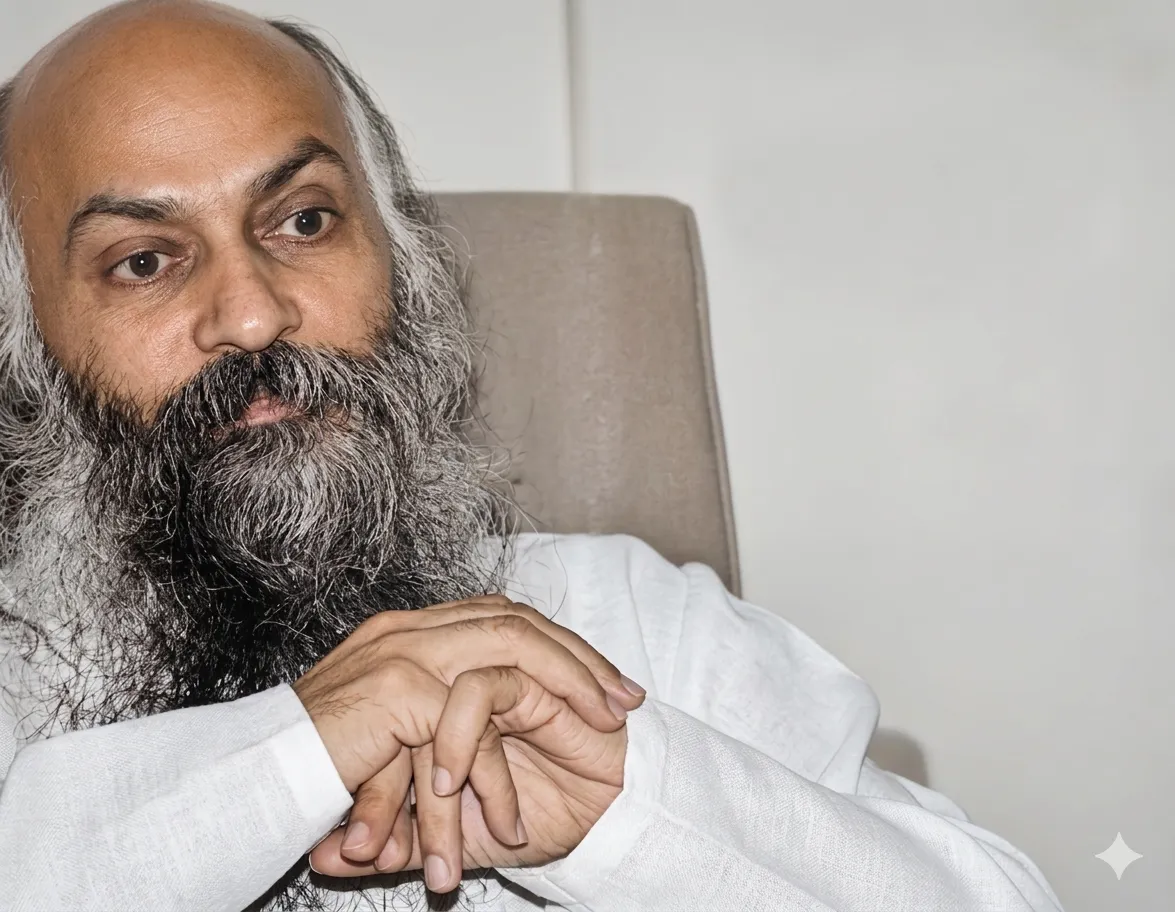
"The Open Door" presents a profound exploration into the nature of personal freedom and spiritual awakening as articulated by Osho. In this discourse series, Osho invites listeners to consider their lives as opportunities for growth and liberation, steering them away from societal conditioning and superficial attachments. The open door symbolizes infinite possibilities, an entryway into a life of consciousness and awareness, where one's true potential can be realized. Osho challenges conventional boundaries, urging individuals to embrace uncertainty and the unknown as pathways to enlightenment. He delves into themes of love, meditation, and individuality, advocating for a life lived in the present moment with authenticity and clarity. By deconstructing illusions of ego and identity, Osho reveals how liberation stems from inner transformation rather than external achievements. His vision encourages the listener to shed preconceived notions and to courageously step into a new reality centered on inner truth and harmony. With his characteristic blend of humor and insight, Osho provides a blueprint for living a life not as a dictated narrative, but as an open-ended journey towards self-discovery and profound inner freedom.
-
Chapter #1
At Esalen, Osho urges sannyas as a total 'yes' that dissolves inner walls, teaches love as immortal, gives practices (dance, rest) and asks: Who am I?
-
Chapter #2
Allow freedom in love: respect each other's nature; learn to be alone so love becomes a gift, not a need — what is love? the final flowering of solitude.
-
Chapter #3
Life is blissfully meaningless: stop searching for meaning, live playfully, love freely, and open to all colours; what is the meaning of life but living fully?
-
Chapter #4
Love is burning extravagance; drop the mind, follow energy, be expectant and surrender-accept darkness, let love enkindle you into a total, living flame.
-
Chapter #5
Evolution is an inward journey—from rock to rose to man to Buddha; sannyas invites inwardness and teaches permitting happiness, not manufacturing suffering.
-
Chapter #6
Soma is inner moon juice — transform lunar madness into samadhi through dance, orgasm and love; go deep in relationships, and cleanse unconscious rage to be safe
-
Chapter #7
Love is a chorus: body, mind, and soul united; dissolve your inner splits by saying yes, sharing life and risking closeness—what are you protecting by keeping people away?
-
Chapter #8
Leap rather than wait: sannyas must be tasted from within - from guts or heart, not the head; 'wait and see?' yields only superficiality, so be courageous.
-
Chapter #9
Fear in Dynamic meditation will dissolve if you continue; surrender, invite the Divine into the body, love means granting freedom, sannyas is a leap.
-
Chapter #10
Bliss is not ahead but already inherent; true arrival reveals we've always been the goal. Embrace helplessness and learn witnessing, not watching.
-
Chapter #11
Become tree, bird, rock - reclaim deeper layers to attune with existence; drop names and self-improvement; surrender a little, love and be present.
-
Chapter #12
Love frees the mind into samadhan - a non-questioning trust that is God; desire (tanha) keeps us returning to life, and seeing its futility ends rebirth.
-
Chapter #13
Be utterly receptive to the pouring energy; let the mind die, breathe love as prana, resist mind's tricks, balance hara, and distrust automatic messages.
-
Chapter #14
A lifelong exhaustion stems from missing maternal love; recover by relating to women as mother—bathe in nurturing energy, not sex; ritual helps closure.
-
Chapter #15
Religion, reason and revolution fail; adopt a religionless path of silence, womb-posture meditation and dying-to-self to awaken true trust and freedom.
-
Chapter #16
Embody divine splendour: make creativity and beauty your religion. Use homeopathy/acupuncture for convulsions but obey doctors if they recur.
-
Chapter #17
Lose control, surrender as if dying; learning is a quantum leap into inner bliss—the intoxicating gift of life that demands grateful openness, not self-denial.
-
Chapter #18
Be quick in love and life; thinking makes you miss moments. Settle your love: choose one or find a non-possessive commune; then meditation or God is possible.
-
Chapter #19
Bliss is inner harmony; become an arrow of joy by saying yes, flowing blissfully, loving fully and serving the servants—then God cannot avoid you.
-
Chapter #20
Planning is unconscious catharsis: let plans surface and exhaust to reach a deeper silence; drop perfection about love, accept limits and be natural.
-
Chapter #21
Become a god: live blissfully and playfully, balance cheerfulness and inner silence, accept life and love sacrificially or be free to leave.
-
Chapter #22
Forgive others and yourself to heal guilt, keep your center inside, speak simply with God, and learn to shield yourself from negative group energy.
-
Chapter #23
Bliss is the pinnacle all beings seek — climb slowly, purify consciousness; love cannot be learned but must be practiced from the heart; try seven days' rest.
-
Chapter #24
Surrender to the divine—ego errs, God harmonizes; become an empty flute to let God sing, seek seeing not belief, and pray to help the dying let go.
-
Chapter #25
Love and unconditional forgiveness dissolve barriers; growth comes by returning from silence to meet life's challenges, testing meditation in the marketplace.
-
Chapter #26
Allow children's authentic impulses; repression returns later. Live the present through breath to decide, and drop the ego so love becomes unpossessive.
-
Chapter #27
Bliss must be shared to be true; love becomes prayer when freed of desire. Use upward-gaze and ego-death ('dying') meditations; Sufi names stress giving.
-
Chapter #28
Love is grateful fulfillment, a lotus rising from life's mud; surrender is effortless relaxation into that love, and answers come only when questions vanish.