
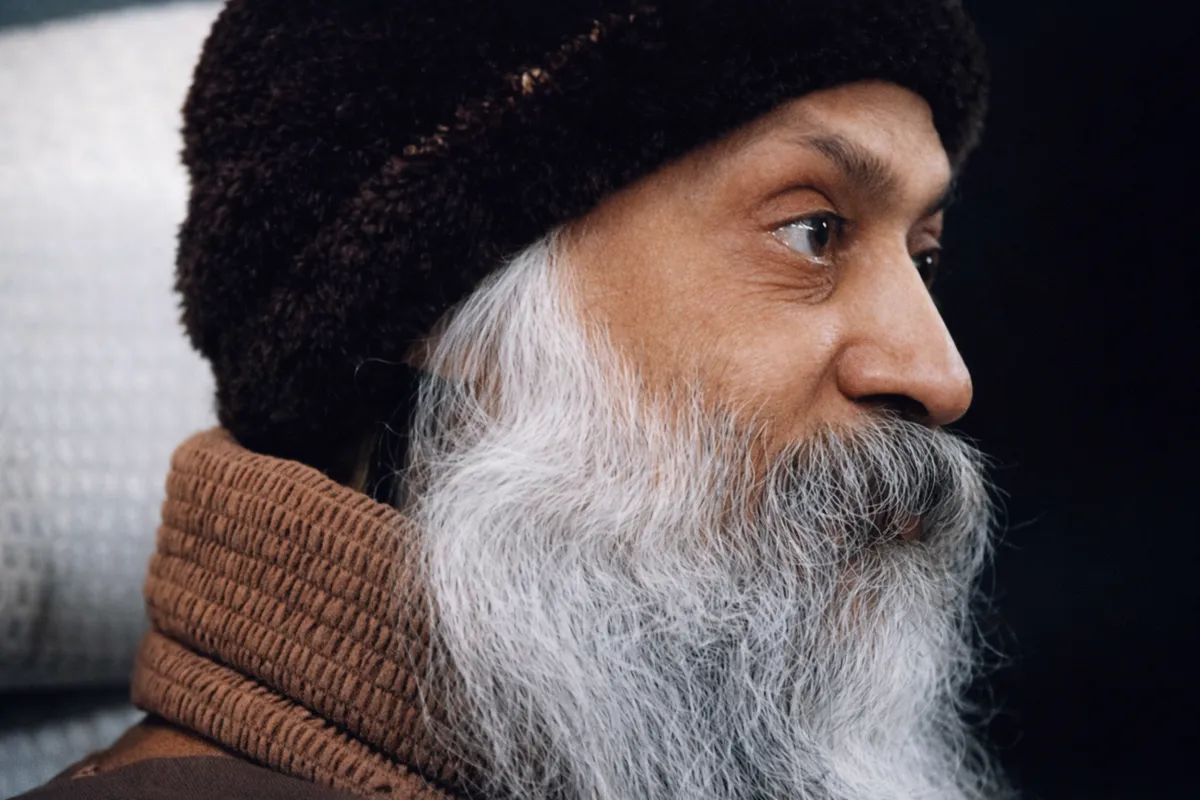
The Last Testament, Vol. 6 captures the profound and illuminating exchanges between Osho and interviewers from around the world. This series delves into a multitude of spiritual themes, reflecting Osho's incisive clarity and his vision of a world where individual consciousness elevates the collective human experience. Central to these discourses is the exploration of spirituality beyond traditional religious confines, advocating for a direct encounter with one's innermost essence. Osho challenges conventional dogmas, emphasizing the importance of meditation as a tool for self-discovery and personal transformation. Through his responses, Osho critiques modern societal structures and values, proposing instead a new paradigm grounded in awareness, love, and authenticity. He articulates the need for a 'new man,' a holistic being who integrates the material and the spiritual. Osho's narrative traverses profound philosophical territories while remaining rooted in practical wisdom, inviting readers to embark on a journey of inner liberation and existential inquiry. His teachings in this series are not mere intellectual exercises but invitations to experience life with renewed depth and vigour, urging each individual to awaken and contribute to a more conscious world.
-
Chapter #1
Unconditional trust and intuition transcend intellect; true wisdom drops discrimination, returns mystery, and meditation reveals love, sensitivity and freedom.
-
Chapter #2
Asked the purpose of life, Osho says there is none: abandon goals and future‑seeking, live totally in the present; contentment, ecstasy and suffering end.
-
Chapter #3
Mind's chatter drops when you become the relaxed watcher; self-realization occurs in 'no-mind'. Compassion permits dignified death for vegetative sufferers.
-
Chapter #4
Freedom comes by deprogramming inherited religions: drop borrowed beliefs, discover truth through direct inner experience and meditation rather than churches.
-
Chapter #5
Returned from a world tour, Osho condemns humanity's moral bankruptcy, abandons hope for masses, vows to work only with individual seekers of silence and truth.
-
Chapter #6
Rajneeshpuram was not a failure but a living triumph: a joyous, self-sufficient sannyas commune proving spiritual freedom and creativity despite political attacks.
-
Chapter #7
Astrology is a slavery that robs responsibility; only death is certain. Freedom lies in an open future, self-creation, inner silence and integrated outer wealth.
-
Chapter #8
Critical change is a blessing; India is a spiritual continent, not a forced political nation—preserve linguistic diversity, grant freedom, end caste slavery.
-
Chapter #9
Philosia: move from thinking to no-mind; live religiousness not religion; cultivate godliness not God; transform sexual energy and reject repression of life.
-
Chapter #10
Love for humanity has deepened; politicians and priests enslave people. Be your own government and your own faith—individual freedom, responsibility.
-
Chapter #12
Women are drawn to his spiritual equality, not sex; he exposes religions' misogyny, rejects 'godman' labels, and urges transcending mind with humor and bliss.
-
Chapter #12
Enlightenment is a beginning, not an end; the way is endless - go beyond mind's symbols to inner sannyas, living meditation, and esoterics as mystery not dogma.
-
Chapter #14
Journalism amplifies truth, protecting seekers; reject borrowed beliefs, cultivate doubt and individuality; sannyas is an eternal, life-affirming movement
-
Chapter #16
Interviewed before elections, Osho urges craft-based education, commune socialism, media reform, birth control and world unity to end obedience, corruption.