
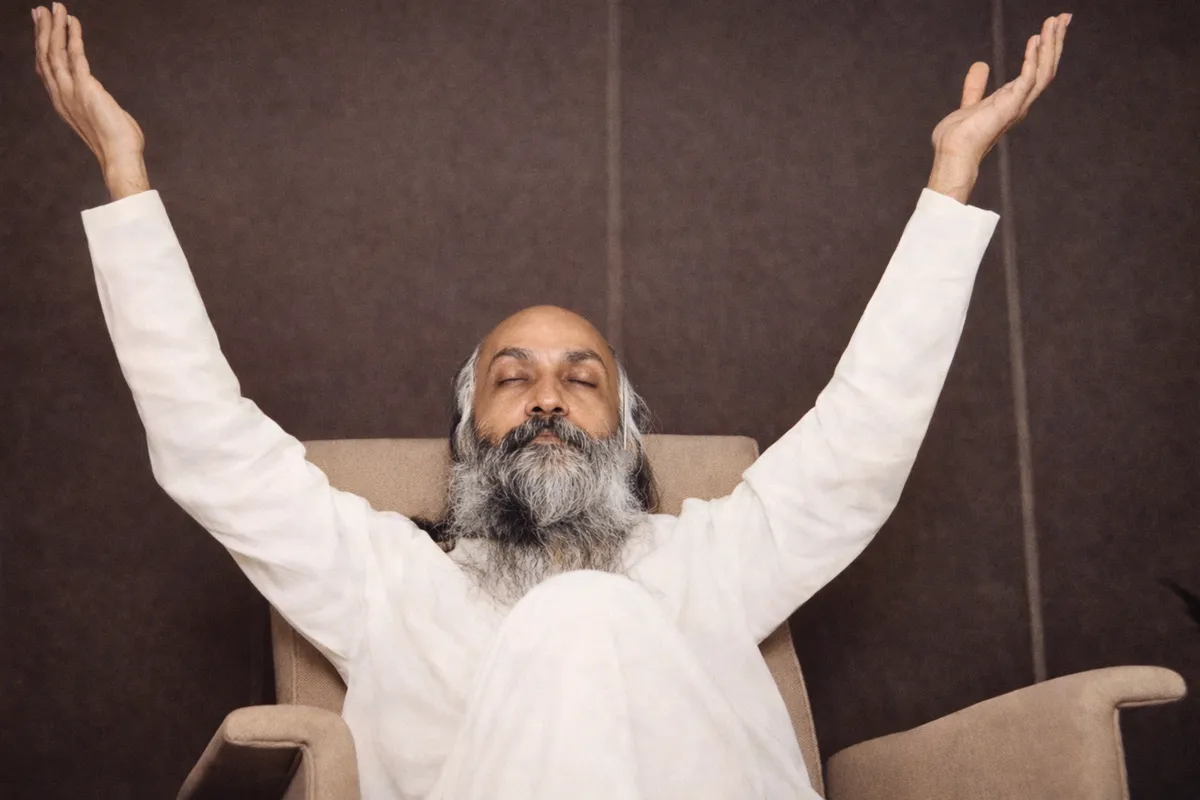
"The Last Testament, Vol 3" presents a tapestry of Osho's profound insights woven around the unwavering quest for truth and the illumination of consciousness. In these discourses, Osho challenges conventional dogmas and encourages listeners to experience spirituality as an inner revolution rather than a mere adherence to rituals or beliefs. Through his incisive dialogue, Osho dissects the human psyche, exposing how societal constructs and fears limit authentic living and profound understanding. The core themes traverse the nature of enlightenment as a living, dynamic reality available to every individual willing to transcend egoic barriers. Osho articulates the concept of freedom—not as an external pursuit but as an intrinsic state of being achieved through meditation and awareness. He urges an embrace of life's uncertainties as transformative opportunities, leading to the realization of one's divinity and interconnectedness with the universe. Filled with Osho's characteristic wit and wisdom, the series also critiques institutionalized religion, advocating for a spirituality unshackled from tradition, inviting a fresh, experiential approach. Ultimately, "The Last Testament, Vol 3" offers a blueprint for transcending societal conditioning and awakening to a life of authenticity, joy, and spiritual liberation.
-
Chapter 1: The End Of Heroes
Become the New Man: reject equality and idols, embrace unique independence, inquiry and loving communes; he explains whether others should become like him.
-
Chapter #2
Life is constant change; authentic spirituality is doubt and inward witnessing—observe body, mind, heart to reach samadhi; on Sheela, power and crimes.
-
Chapter #3
Denies Sheela's allegations about drugs, sex and theft, reveals her criminal bugging and poisoning plots, champions radical freedom, naturalness over celibacy.
-
Chapter #4
Defends Rajneeshpuram's autonomy, blames authorities, rejects 'Rajneeshism', exposes fascism's danger, and champions meditation as witnessing for individuality.
-
Chapter #5
Radical freedom: drop red robes and labels, burn the Book of Rajneeshism; embrace chaos over order to prevent fascism and live spontaneously.
-
Chapter #6
Serpent represents revolutionary wisdom against jealous God; Osho exposes Sheela's power abuses, urges awakened consciousness, witnessing meditation and world service.
-
Chapter #7
Enlightenment is not pleasure but timeless, independent bliss beyond body and mind; drop projections, embrace responsibility, communes replace families.
-
Chapter #8
Osho rejects organized religion, urges relentless inquiry over belief, dissolves Rajneeshism to prevent hierarchy and corruption, and reclaims individual freedom and responsibility.
-
Chapter #9
Osho renounces guruhood, calling himself merely a friend after years of silence and Sheela’s betrayal, asserting no religion exists and individuals bear responsibility.
-
Chapter #10
Osho denies Sheela's allegations, affirms inner ecstasy without drugs, insists on non-attachment to communal possessions, and calls peaceful resistance to unjust arrests.
-
Chapter #11
Osho disclaims political power, blames Sheela for Rajneeshpuram's abuses, renounces organized religion, urges decentralization, meditation and inner freedom.
-
Chapter #12
Osho rejects saviorhood, defends his silence, blames religious celibacy for sexual pathology, vows to dismantle Rajneeshism and preserve inner sannyas.
-
Chapter #13
Declared cult ended, rejected organized religion, exposed Sheela's crimes and surveillance, opened commune and symbols to all while insisting on accountability.
-
Chapter #14
Movement survived the Sheela scandal; the outward religion has died to free individuals — responsibility, inner witnessing and consciousness, not organization, create true freedom.
-
Chapter #15
Presence freed the commune from fascism; freedom demands responsibility, finish essential work, reject fanatic control, and practice meditation in daily life.
-
Chapter 16: Witnessing
Witnessing matures from observing the body, to mind, to heart, and finally witnessing itself; enlightenment is a natural birthright resisted by ego's ambition.
-
Chapter #17
Accuses Sheela of poisoning, espionage and theft, denounces local collusion, defends Rajneeshpuram's transformation, pledges decentralization and sannyas.
-
Chapter #18
Ego makes the human heart dangerous; a Master de-programs social conditioning, teaching witnessing to transcend ego and awaken a uniquely lived, wordless truth.
-
Chapter #19
Medicine and meditation must unite: medicine heals the body, meditation heals the soul. Meditation as witness frees the mind and makes healing whole.
-
Chapter #20
Poverty is a social and political curse, not spiritual; adopt birth control, communal living and one-world cooperation to abolish poverty and priestly power.
-
Chapter #21
Fun and play are sacred pathways to freedom; seriousness and fear are social impositions. Freedom is painful but liberating; the Master’s love heals fear.
-
Chapter #22
Absolute freedom of expression for the natural; prevent ideas that create sickness. The commune's paper must reflect the Master's vision, protecting community.
-
Chapter #23
Religion is a corpse; religio is a living rose — a personal, fragrant search for truth. Deprogram institutions; cultivate inner religiousness.
-
Chapter #24
Osho confronts Sheela's betrayal, defends exploitation as waking, rejects praising poverty, and teaches meditation births objective art and creation.
-
Chapter #25
An 'extraordinarily ordinary' guru declares religion a last luxury for the fulfilled, fusing sensuality and spirit into a joyous, non‑dogmatic search.
-
Chapter #26
Trust is not faith or belief but the fragrance of silence arising from the being; it endures beyond betrayal and enables the guided risks of a mystery school.
-
Chapter #27
Life is a cosmic joke — existence is play; distrust authority, for power corrupts as Sheela's plot shows, and communities must guard against deception.
-
Chapter #28
Dreams and images are keys to the self; meditation can create a global 19th superconscious center to heal humanity despite resistance, enabling deconditioning.
-
Chapter #29
Look into the eyes — silence and joy reveal truth; enlightenment is individual, beyond isms, valuing love, richness and responsibility to avert destruction.
-
Chapter #30
Personality is a mask; liberation is the risky leap into individuality by silence and the commune. Osho challenges religions yet affirms godliness.