
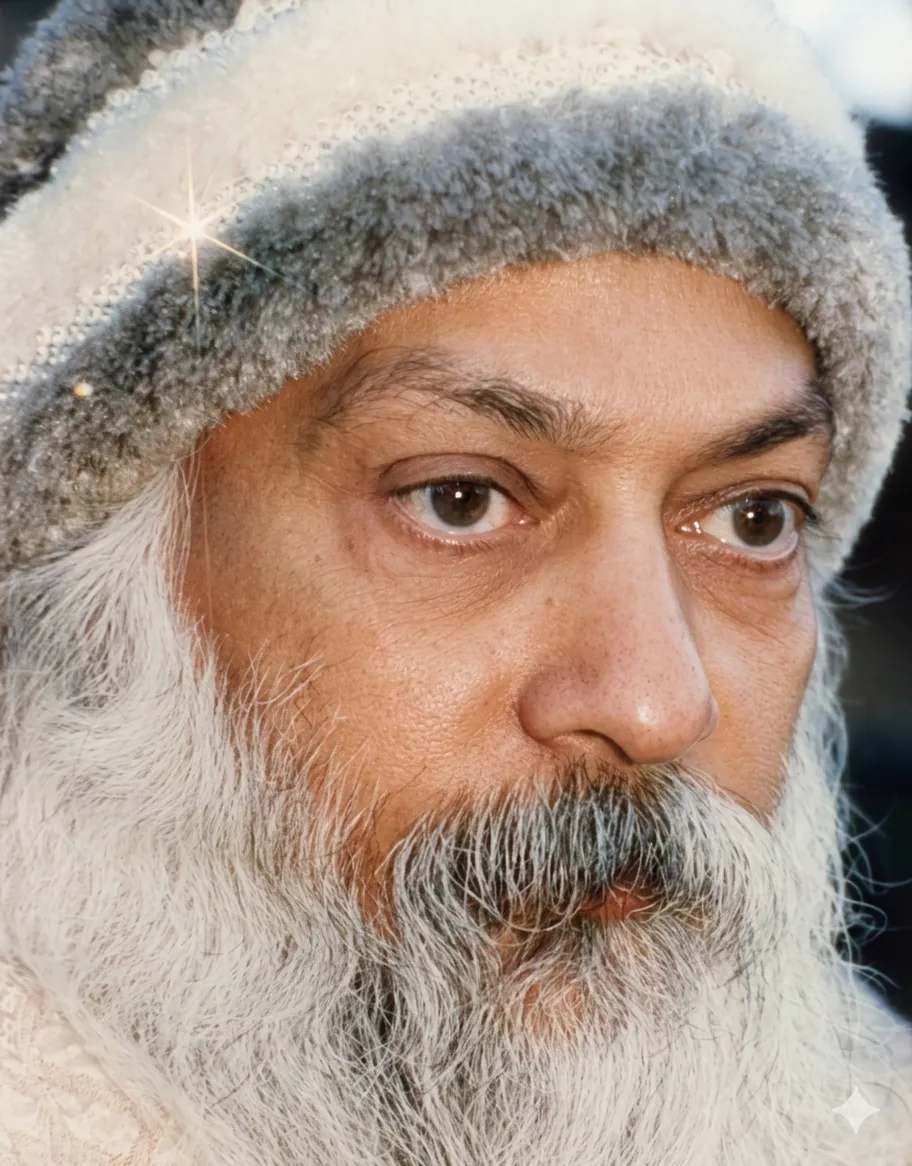
"The Last Testament, Vol 1" is a profound exploration of Osho's revolutionary spiritual teachings, encapsulating his distinctive worldview and transformative perspectives on life, enlightenment, and human consciousness. In this discourse series, Osho delves into the essence of spiritual awakening, challenging conventional religious dogmas and societal norms. He emphasizes the significance of personal freedom, encouraging individuals to transcend imposed beliefs and embrace authentic self-discovery. With his characteristic blend of wit and wisdom, Osho addresses the complexities of human emotion and the mind, shedding light on how to cultivate a life grounded in awareness and inner peace. Central to this series is Osho's emphasis on the inner journey toward enlightenment, advocating for meditation as a fundamental practice to achieve heightened awareness and liberation. He provocatively critiques organized religion, arguing for a spirituality rooted in personal experience rather than institutionalized rituals. Osho invites listeners to explore the depths of their consciousness, urging them to move beyond fear and embrace the present moment fully. Through his teachings, Osho aims to awaken a profound sense of inner joy and a fearless approach to life, marking a path toward personal and collective transformation.
-
Chapter 1: The Blessed One
Living spontaneously in the present, drop beliefs and witness the mind: silence births love, laughter and freedom from religion’s fear and control.
-
Chapter 2: I Change With Reality
Reality changes and I change with it — drop the ego, trade conscience for consciousness, embrace experience over belief; freedom is individual responsibility.
-
Chapter 3: The Fruits Are Ripe
Never. Deprogram institutions and hypocrisy; embrace inner freedom, richness, love and meditation to transform society rather than charity or politics.
-
Chapter 4: Come Again And Again
Extraordinarily ordinary: the new man awakens without gods or gurus, disturbs complacency to free people, lives in the present and celebrates life.
-
Chapter 5: Be Ready
Live fully in the present, reject outdated religions and institutions, embrace freedom, communes and scientific choices — be ready for transformative challenge.
-
Chapter 6: It Is Up To You
Be ordinary: drop the compulsion to become someone else; embrace your uniqueness, accept responsibility for your life, and live without guilt or authority.
-
Chapter 7: The Time Is Short
Reject the dead past, embrace a playful, responsible rebellion; critics come from jealousy—time is short to create a new, living humanity now.
-
Chapter 8: Commune Is The Way
An ordinary man, not a guru: shed ego and guilt to commune with existence through present-moment living; people are drawn to freedom, joy, shared bliss.
-
Chapter 9: Your Politicians Are Responsible
Violence in America springs from colonial theft, slavery, inequality and militarism; leaders sustain it. Return land to natives, help your poor, abandon nukes.
-
Chapter 10: My Work Has Just Begun
German fear reflects Hitler's lingering shadow; my influence aims to dissolve ego, celebrate life and prevent war through love, joy and inner transformation.
-
Chapter 11: No God But Godliness
There is no God but godliness: truth is an inner, wordless experience to be tasted in living communes that deprogram beliefs and foster meditative, amoral being.
-
Chapter 12: A Fellow Traveler
America's democracy is hypocritical; freedom is dropping labels and awakening consciousness by meditation — happiness independent of place or politics.
-
Chapter 13: America Is A Hypocrite
America is a hypocrite: its democracy protects Christians but persecutes Rajneeshis; truth must be experienced, not argued; enlightenment transcends belief.
-
Chapter 14: The Function Of A Master
Humanity sleeps in ego; a Master shatters buffers to awaken individuals, preventing collective self-destruction by sparking conscious, compassionate change.
-
Chapter 15: I Am Not The A Prophet
Osho rejects 'tolerance' as humiliation, champions authentic individuality and conscious existence over coexistence, warns of persecution now.
-
Chapter 16: The Future Is Always Open
The future depends on inner deprogramming: nations differ in readiness, Holland and Germany hold promise; meditation offers a vertical path beyond culture.
-
Chapter 17: You Are Alive
Question everything; live moment-to-moment in awakened consciousness rather than belief — deprogram the seeker, risk the unknown, die to the past and wake.
-
Chapter 18: It Is Possible
Rajneeshpuram can be a prototype city of love and growth: Zorba the Buddha blends material joy and spiritual awakening, rejecting coercive religion and politics.
-
Chapter 19: Half Of Humanity
Asked 'Who are you?' he says he's simply an awake human, not a messiah—valuing love not power, Zorba as foundation for Buddha, women-led communes, no successor.
-
Chapter #20
Enlightenment is a door to boundless consciousness; priests and politicians keep people drugged — awakening frees individuals to live free, loving lives.
-
Chapter #21
Osho warns humanity teeters between nuclear annihilation and AIDS; he urges ending religious celibacy, reclaiming natural sexuality and awakening people through bold provocation.
-
Chapter #22
Zorba and Buddha must merge into one whole man: marry earthly joy and spiritual vision so life is rooted and ecstatic, transcending East-West extremes.
-
Chapter #23
Live now and own your life: 'God is nowhere' read 'now here'; no successor will be named. Embrace freedom, honest sexuality, communal care and AIDS precautions.
-
Chapter #24
The world is in crisis: create a silent, borderless people by dissolving nations and religions, living in the present with freedom and birth control.
-
Chapter #25
Rejecting prophets and conversion, he champions individual freedom, communes as refuges against politics and AIDS, meditation, conscious life and death
-
Chapter #26
Alternative to a dying world: meditation as deprogramming creates silent, non-ambitious humans in communes, celebration as safeguard against war and AIDS.
-
Chapter #27
Chose prolonged silence to weed out intellectual followers so only those who live silence remain; true love is existential, not mere attachment to words.
-
Chapter #28
Rajneeshpuram models a new man: dissolving family and religion, rejecting fixed moral codes, fostering consciousness, love, celebration, and resistance.
-
Chapter #29
Abolish hope-based opiates: kill God and political promises, stop waiting for salvation, live in the present and build joyful, meditative communes.
-
Chapter #30
Self-inquiry 'Who am I?' collapses thought into the witnessing silence; Osho urges radical individual freedom, doubt over faith, responsibility and love.