
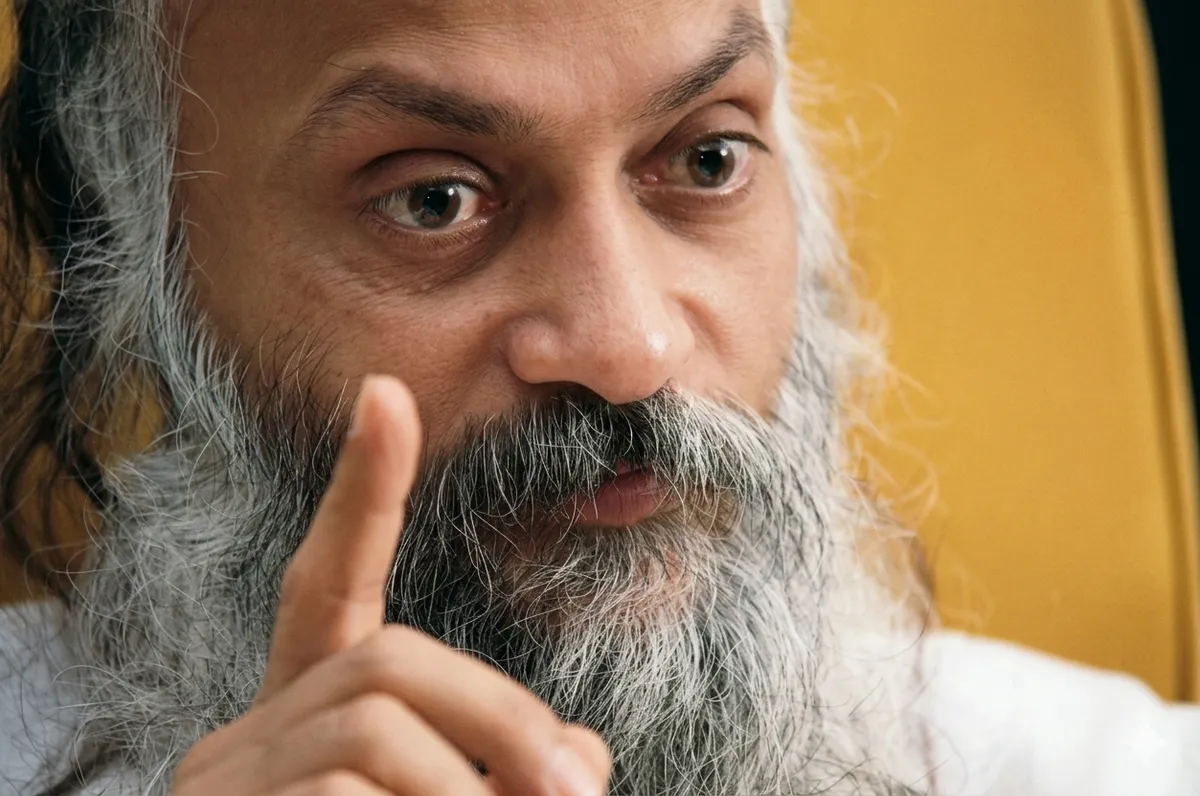
"The Empty Boat" is a profound exploration of ego-transcendence and the nature of true selfhood, delivered through Osho's lucid narrative and spiritual insight. Through this series, Osho articulates the essence of inner emptiness as a state of profound fulfillment, where the illusions of ego dissipate like shadows in the presence of illumination. His discourse draws on the metaphor of an empty boat, symbolizing the harmonious flow of existence unhindered by personal identity or desire. Integral to this series is the idea that true liberation lies in surrendering the self, releasing the constraints of personal ambition and societal conditioning. Osho weaves together wisdom from ancient Zen tales and contemporary reflections, encouraging a journey inward to discover the depth of one's consciousness. He challenges the listener to dissolve the boundaries of individuality and merge with the universal flow of life. The series also reflects on the interconnectedness of all beings and the transformative power of awareness. Osho's teachings delve into the paradoxes of being, urging one to experience life in its totality with an open heart and an unconditioned mind. Through humor, sharp wit, and profound clarity, "The Empty Boat" invites one to embark on a spiritual voyage toward nothingness, which, in Osho's distinctive perspective, is the gateway to everything.
-
Chapter 1: The Toast Is Burned
Empty your boat: abandon ego, fame and achievement; become nobody, surrender as the rooster sage taught, and live in the void so life flows free of confusion.
-
Chapter 2: The Man of Tao
Balance the mind's pendulum: stop swinging to opposites, drop division so the empty boat (no-self) arises; perfect virtue flows and harms no one.
-
Chapter 3: The Owl and the Phoenix
Ambition springs from inferiority; true spiritual superiority is nonambition. Chuang Tzu's phoenix vs the owl: drop desires, still the mind; find inner freedom.
-
Chapter 4: Apologies
Spontaneity and continuous self-remembrance dissolve polite apologies and explanations; authentic love, wisdom and sincerity arise unplanned, without guarantees.
-
Chapter 5: Three in the Morning
Three in the morning shows how the monkey-mind clings to fragments while the wise see the whole: morning and evening always total seven; choicelessness frees.
-
Chapter 6: The Need to Win
Desire divides and drains power; be present like an archer shooting for fun—drop the need to win and realize nobodiness to discover your wholeness.
-
Chapter 7: Three Friends
Life is a mystery beyond all explanations; empty boats meet in laughter and true togetherness, not in philosophy — Can men live together and know nothing of it?
-
Chapter 8: The Useless
Nothing is useful without its useless ground: play, silence and meditation are the hidden base of work and meaning, as Chuang Tzu's earth-parable shows.
-
Chapter 9: Means and Ends
Words, scriptures and techniques are traps—use them to catch the fish (truth), then forget the trap; only wordless silence and no‑mind reveal the living center.
-
Chapter 10: Wholeness
How does the true man of Tao walk through walls and stand in fire? By unlearning the ego, sinking to the One, trusting Tao as a drunkard so no wedge can enter.
-
Chapter 11: Chuang Tzu's Funeral
Mind-made problems rob life and death of their simplicity; live choicelessly like Chuang Tzu—don't let planning, ego or fear of being eaten obstruct presence.