
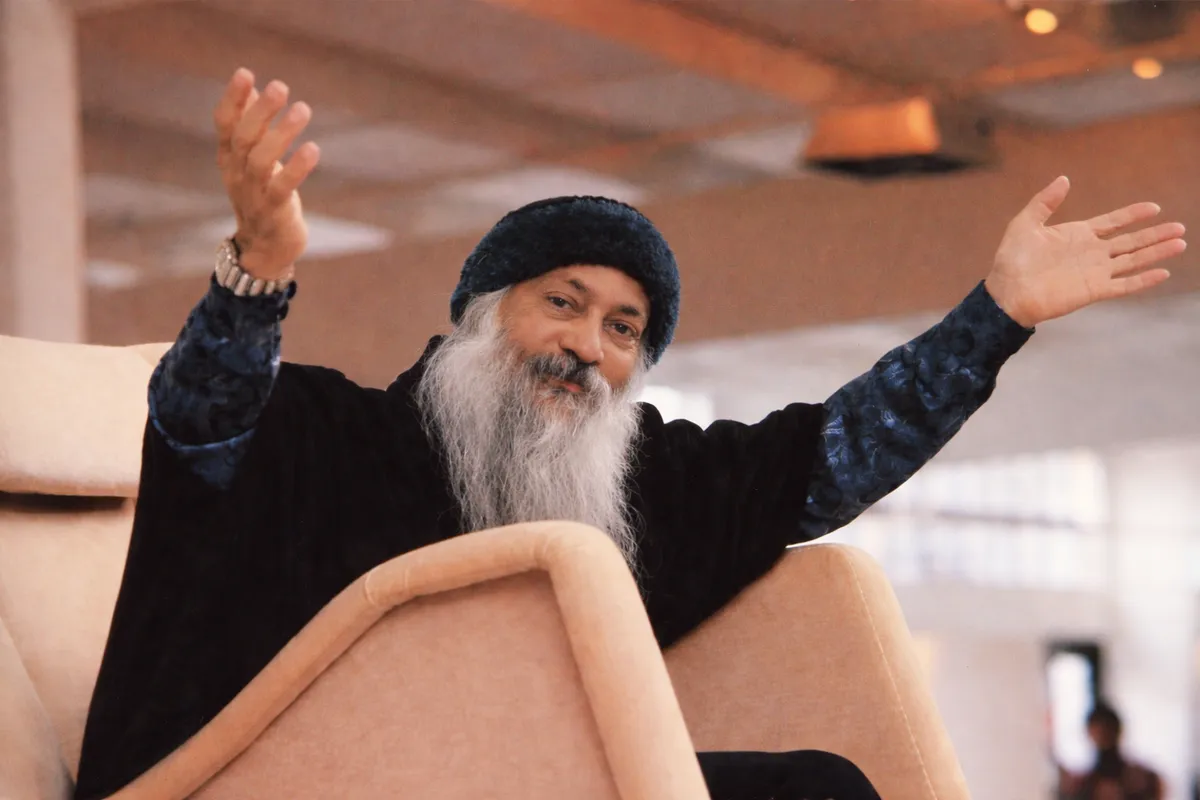
"The Discipline of Transcendence, Vol 4" by Osho explores the profound journey towards attaining spiritual enlightenment, emphasizing the sublime balance between freedom and discipline. In this series, Osho delves into the transcendent teachings of the Buddha, unraveling the intricate layers of human consciousness and the paths to liberation. He articulates a vision where mindfulness and meditation are pivotal to self-realization, enabling individuals to break free from the constraints of ego and societal conditioning. Osho’s contemplations challenge traditional dogmas, offering a fresh perspective that encourages seekers to find their unique path to truth beyond conventional spirituality. His discourse navigates the paradox of embracing discipline to attain total freedom, illuminating that true transcendence is not a denial of life, but a deeper engagement with its fullest potential. Osho’s teachings seamlessly integrate the wisdom of the ages with a modern sensibility, inviting individuals to awaken their inner light and navigate their existential journey with clarity and compassion. Through this series, Osho empowers listeners to transcend their limitations, encouraging a transformative inward journey where the sacred essence of life itself becomes the ultimate meditation.
-
Chapter 1: The Eightfold Way
Buddha's eightfold way: drop views and intentions; cultivate right speech, morality and mindfulness to become fearless inner warriors and attain samadhi.
-
Chapter 2: Rich man's guru, poor man's guru
Psychological pain is homemade and dissolvable by dropping ego; physical pain is natural and can sharpen awareness—fear exists only about the future.
-
Chapter 3: Remember the middle
Find the middle: spiritual discipline like tuning a guitar—neither tight nor loose. Drop 'mine/me/I', avoid extremes; be calm and pure to attain the Way.
-
Chapter 4: Let go of the branch
Integration isn't something to be made but discovered; shift from doing to receptive being, and surrender—'let go of the branch'—awakens the inner center.
-
Chapter 5: The discipline of transcendence
Consciousness is a still lake; desire stirs waves that become mind—cleanse the dross of passion to reveal mirror-like awareness and spontaneous, effortless enlightenment.
-
Chapter 6: Go on moving
Questioning is futile yet necessary to keep you moving; when questions dissolve you stop seeking and your being becomes the answer, into flow.
-
Chapter 7: The ten grounds of the way
Life is measured by depth, not days; the Buddha's test shows BREATH (prana) links body and soul—watch breath, grow joyous and radiant, and freely become a shower of grace.
-
Chapter 8: The disappearance of the magician
Life must be lived, not practised: abandon doctrines and spiritual materialism, acknowledge your ignorance as innocent gateway to enlightenment and clear seeing.
-
Chapter 9: Provisions for the journey
Seeker must journey alone and carry ten paramitas—generosity, discipline, patience, meditation, wisdom—to prepare for a voyage requiring effort and surrender.
-
Chapter 10: The bear of reason
Absorb the master's presence through deep meditation, watch without asking 'why', let awareness dissolve greed and thought - gaze, eat the Master, and transform.
-
Chapter 11: Collecting pebbles on the seashore of life
Freedom demands dropping outer and inner rules; Buddha's anarchism: worldly treasures are pebbles, methods, gods and ego are dreams, awakening is waking.